
Gone Gardenin’ – Big Betony real keeper
Advertisement
Read this article for free:
or
Already have an account? Log in here »
We need your support!
Local journalism needs your support!
As we navigate through unprecedented times, our journalists are working harder than ever to bring you the latest local updates to keep you safe and informed.
Now, more than ever, we need your support.
Starting at $15.99 plus taxes every four weeks you can access your Brandon Sun online and full access to all content as it appears on our website.
Subscribe Nowor call circulation directly at (204) 727-0527.
Your pledge helps to ensure we provide the news that matters most to your community!
To continue reading, please subscribe:
Add Brandon Sun access to your Free Press subscription for only an additional
$1 for the first 4 weeks*
- Enjoy unlimited reading on brandonsun.com
- Read the Brandon Sun E-Edition, our digital replica newspaper
*Your next Free Press subscription payment will increase by $1.00 and you will be charged $20.95 plus GST for four weeks. After four weeks, your payment will increase to $24.95 plus GST every four weeks.
Read unlimited articles for free today:
or
Already have an account? Log in here »
Hey there, time traveller!
This article was published 12/07/2012 (5081 days ago), so information in it may no longer be current.
Sometimes an unexpected plant makes its appearance in my garden and becomes a permanent resident because of its stellar performance.
Such is the case with Big Betony, which I got from my next door neighbour a few years back.
I admired it in her garden and she graciously gave me a piece. Big Betony is easily propagated by division; small side shoots readily detach from the parent plant and can be planted directly into the garden.
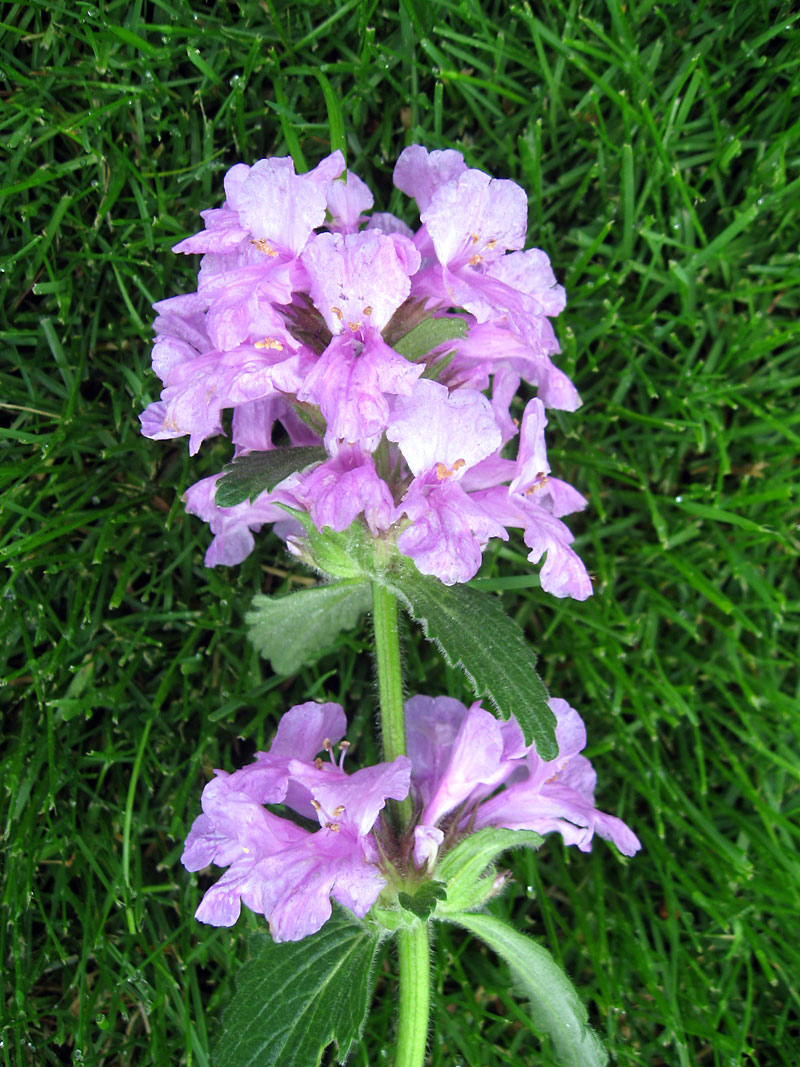
I have been so pleased with the plant’s performance in my garden that I have taken divisions from the original plant and established it in a couple of other places in the landscape.
Big Betony is a close relative of Lamb’s Ears — a member of the plant family ‘Stachys’ — but it isn’t anything like its cousin in appearance. Being a member of the mint family, however, it does have the characteristic square stems.
Big Betony has large, heart-shaped, scalloped, deep green leaves and forms a bushy mound about 50 centimetres tall. It is a big plant as its width is easily as large as its height.
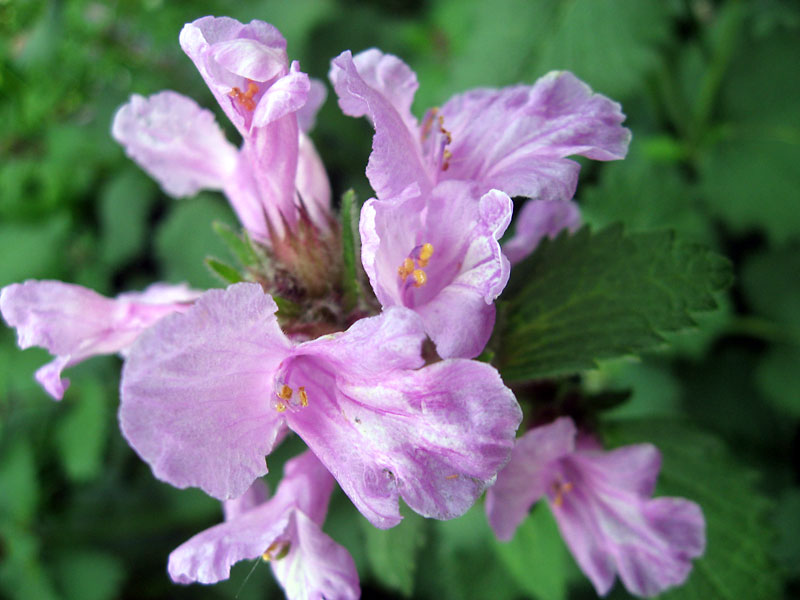
From the mound of foliage in late June appear upright spikes of bloom that are rich lavender-pink in colour. Consistent removal of spent blooms will ensure that secondary buds will open and a severe cutting back after bloom has finished will ensure that the foliage will be attractive for the rest of the growing season.
The individual blooms are two-lipped and tubular and several of these exquisite blooms combine to form attractive spikes of bloom held above the attractive foliage.
Although Big Betony has an upright growth habit, it does tend to sprawl a bit. I use wire fencing to give it some support and prevent the centre of the clump from opening and becoming bare.
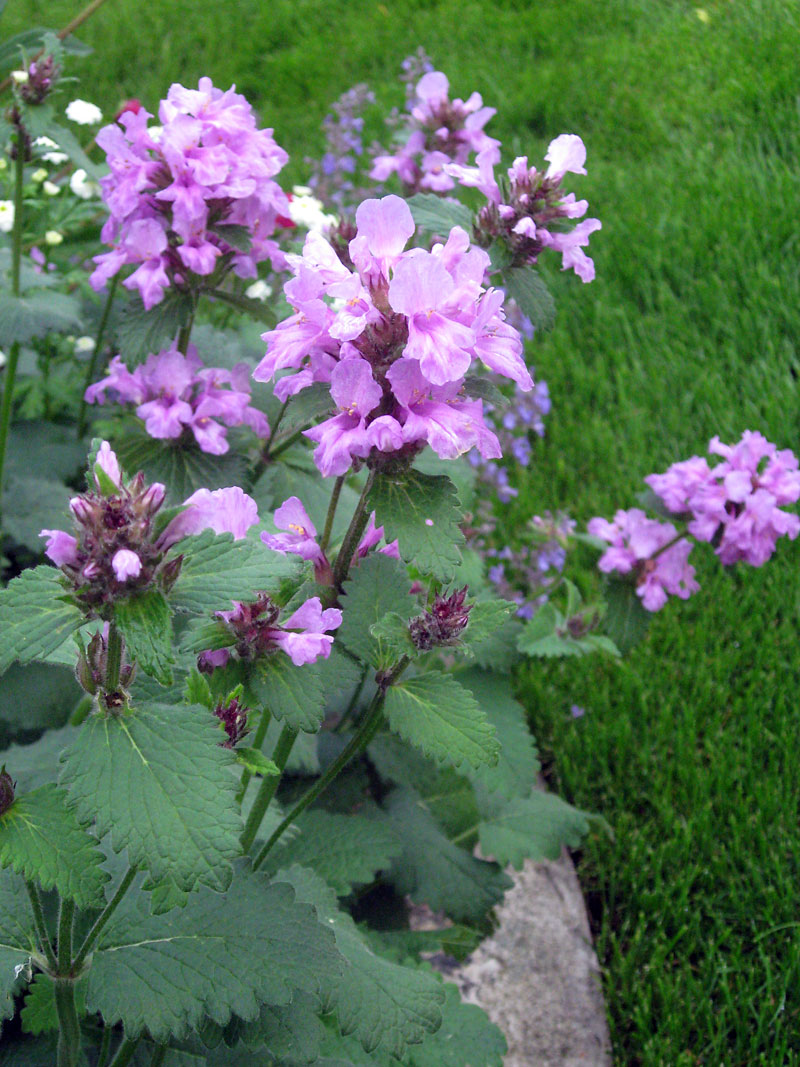
Because it tends to sprawl a bit as it grows into its full width, I use it along the driveway curb where its foliage extends over the edge of the concrete to soften the hardscape. I have also used it along the edge of a rock retaining wall for the same reason — its attractive foliage is attractive as it extends out over the edge of the wall.
Big Betony is not a demanding plant; it prefers rich, moist soil and full sun but I find it a very forgiving plant. It certainly receives no special care in my garden.
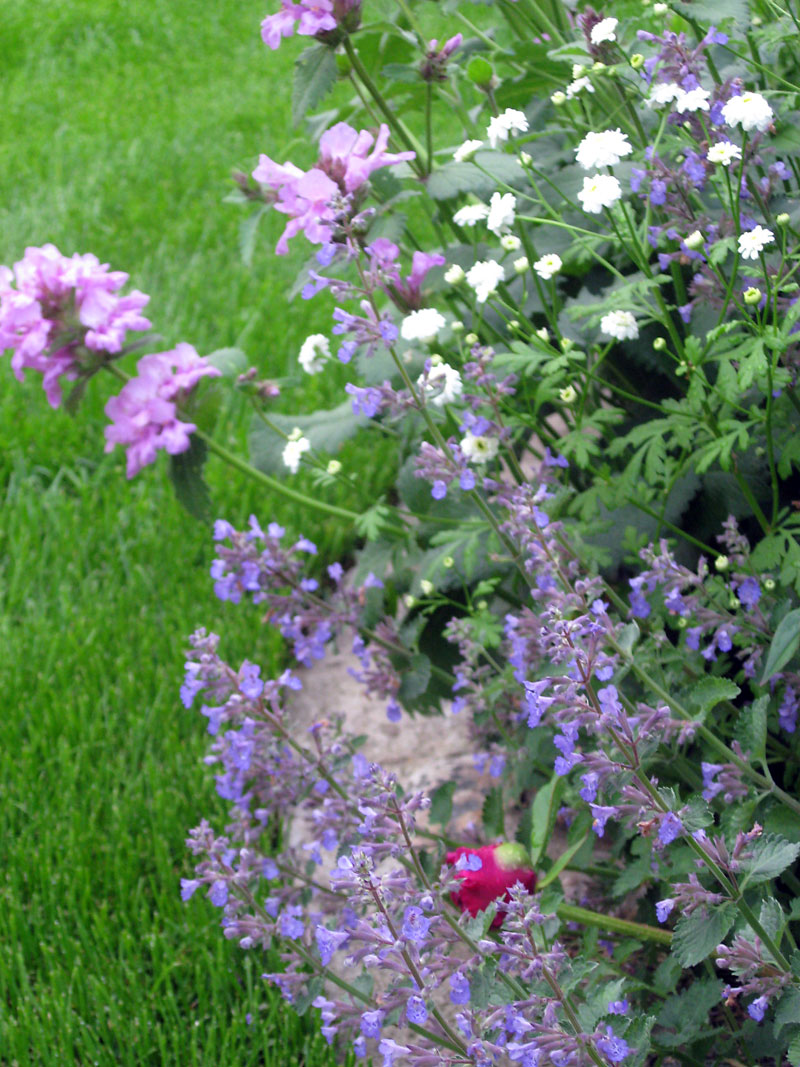
Good companion plants for Big Betony include white matricaria, purple-blue catmint, and achillea, including yarrow. These companions with white or blue-purple flowers compliment the rich pink Big Betony blooms.
Besides softening the edges of curbs and rock walls with its dark green foliage, Big Betony has several uses in the landscape. One is to act as an accent plant in a border because it has good texture and form.
Big Betony can be used in mass plantings — the only downside to this use would be that it does not bloom continuously all season. It has a fairly long bloom period during June and July, but will not be in flower beyond that time.
Because of its attractively veined leaves, pieces of Big Betony can be dug up in spring and added to containers to provide interesting texture. Planted near the edge of a container and encouraged to cascade a bit over the container’s edge, Big Betony will provide nice foliage for a mixed container.
Big Betony is a good candidate to plant along a riverbed or at the edge of a pond. The plant will appreciate the moist soil conditions in such locations and will add contrast to some of the grassy plants that might be planted nearby. The lovely dark green foliage remains visually appealing right into late summer.
Although Big Betony was a gift from a fellow gardener rather than a deliberate purchase on my part, it has won a permanent place in my garden. I would not want to be without this versatile plant in my landscape.
OUT & ABOUT
Perhaps I will see you this coming Saturday, July 14, at interesting event, “Gallery In The Garden”, taking place in Birtle. The art of more than 30 Manitoba artists will be displayed in several Birtle and area gardens, combining the opportunity to appreciate various forms of art with the pleasure of wandering through some amazing gardens. Various workshops are also being offered. The event runs 10 a.m. to 4 p.m. and tours begin at the Birtle Information Booth at the Birtle Park entrance. For information: phone 773-0670, e-mail: BirtleGalleryInTheGarden@gmail.com, or go to www.birtle.ca/galleryinthegarden
Albert Parsons is a consultant for garden design and landscaping who lives in Minnedosa.
» communitynews@brandonsun.com