
Gone Gardenin’: Gorgeous orchid no longer exclusive and costly
Advertisement
Read this article for free:
or
Already have an account? Log in here »
We need your support!
Local journalism needs your support!
As we navigate through unprecedented times, our journalists are working harder than ever to bring you the latest local updates to keep you safe and informed.
Now, more than ever, we need your support.
Starting at $15.99 plus taxes every four weeks you can access your Brandon Sun online and full access to all content as it appears on our website.
Subscribe Nowor call circulation directly at (204) 727-0527.
Your pledge helps to ensure we provide the news that matters most to your community!
To continue reading, please subscribe:
Add Brandon Sun access to your Free Press subscription for only an additional
$1 for the first 4 weeks*
- Enjoy unlimited reading on brandonsun.com
- Read the Brandon Sun E-Edition, our digital replica newspaper
*Your next Free Press subscription payment will increase by $1.00 and you will be charged $20.95 plus GST for four weeks. After four weeks, your payment will increase to $24.95 plus GST every four weeks.
Read unlimited articles for free today:
or
Already have an account? Log in here »
Hey there, time traveller!
This article was published 26/01/2012 (5386 days ago), so information in it may no longer be current.
A few years ago, orchids were mainly grown by specialty growers, who marketed the plants or flowers almost exclusively to florists and collectors.
In the last decade or so, more growers have begun to mass produce orchids and so they have become more available and more affordable.
The most common orchid grown by home gardeners as a houseplant is the Phalaenopsis orchid, more commonly called the “Moth Orchid”. The Greek word Phaluna means moth, and indeed the individual blooms of a phalaenopsis orchid do resemble colourful moths in shape and size.
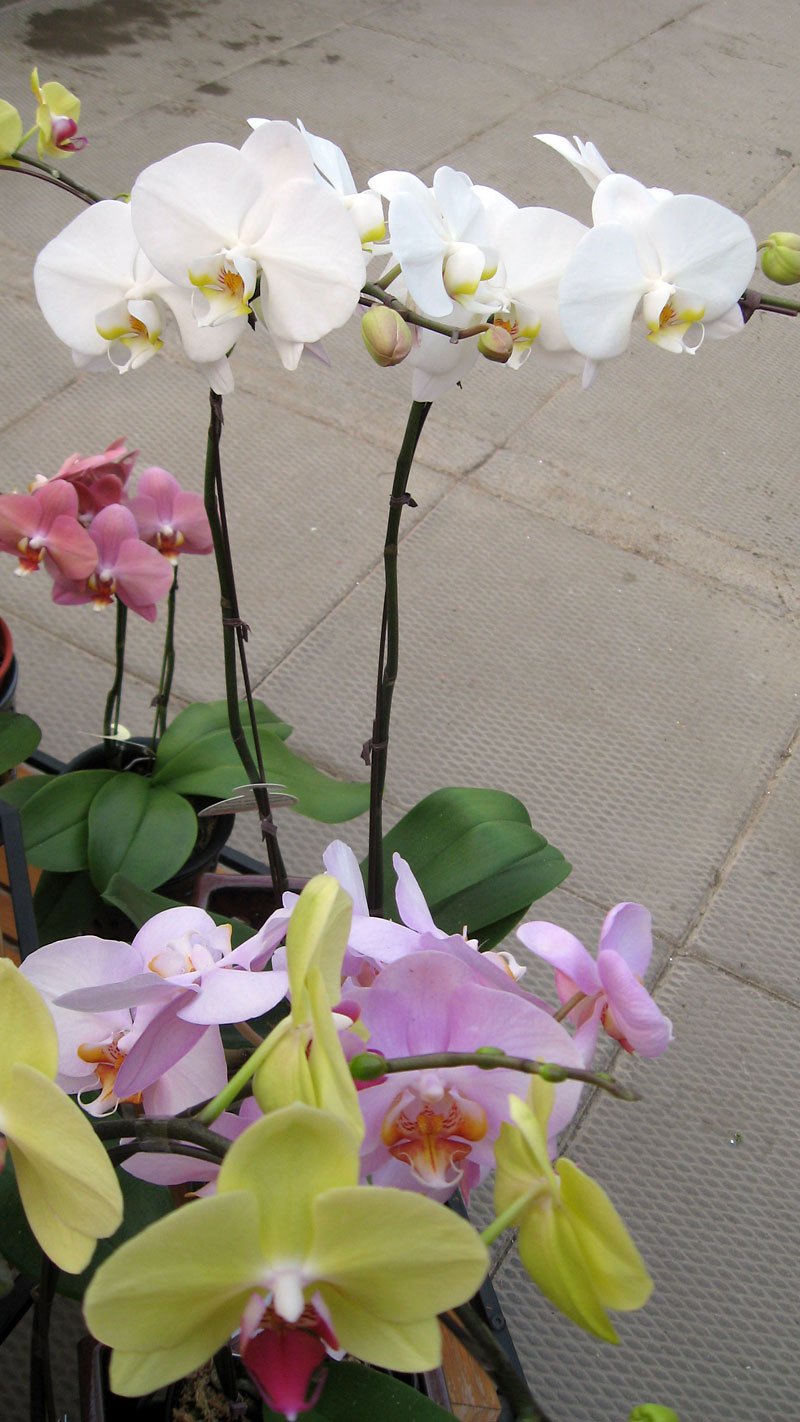
Phalaenopsis orchids are easy to grow and are quite happy with the environment that we can provide them in our homes. Their blooms last for a long time — up to three months — and they do not take up a lot of space.
You have to know what to look for when you go to purchase a Phalaenopsis orchid if you want to get a healthy one. Firstly, look for leaves that are dark green, stiff and unblemished, with no ridges in them.
The more blooms and buds on the spikes the better. Although buying a plant with some buds still closed may prolong the plant’s bloom period, sometimes the buds will drop after it has been moved to a different environment. Any visible roots should be white or silver.
The natural bloom period for Phalaenopsis orchids is from December to May, so this is a good time to buy them.
The blooms will last up to three months and when the last blooms fade, look for small, fleshy bumps or nodes on the spike; count three nods from the bottom of the spike — ignore the dried out ones and don’t count them — and cut the spike off a couple of centimetres above the third green node.
With any luck, a new flower stalk will grow from one of the nodes. Although orchids are not usually fertilized during the bloom period, start to fertilize the plant again after the last blooms are finished.
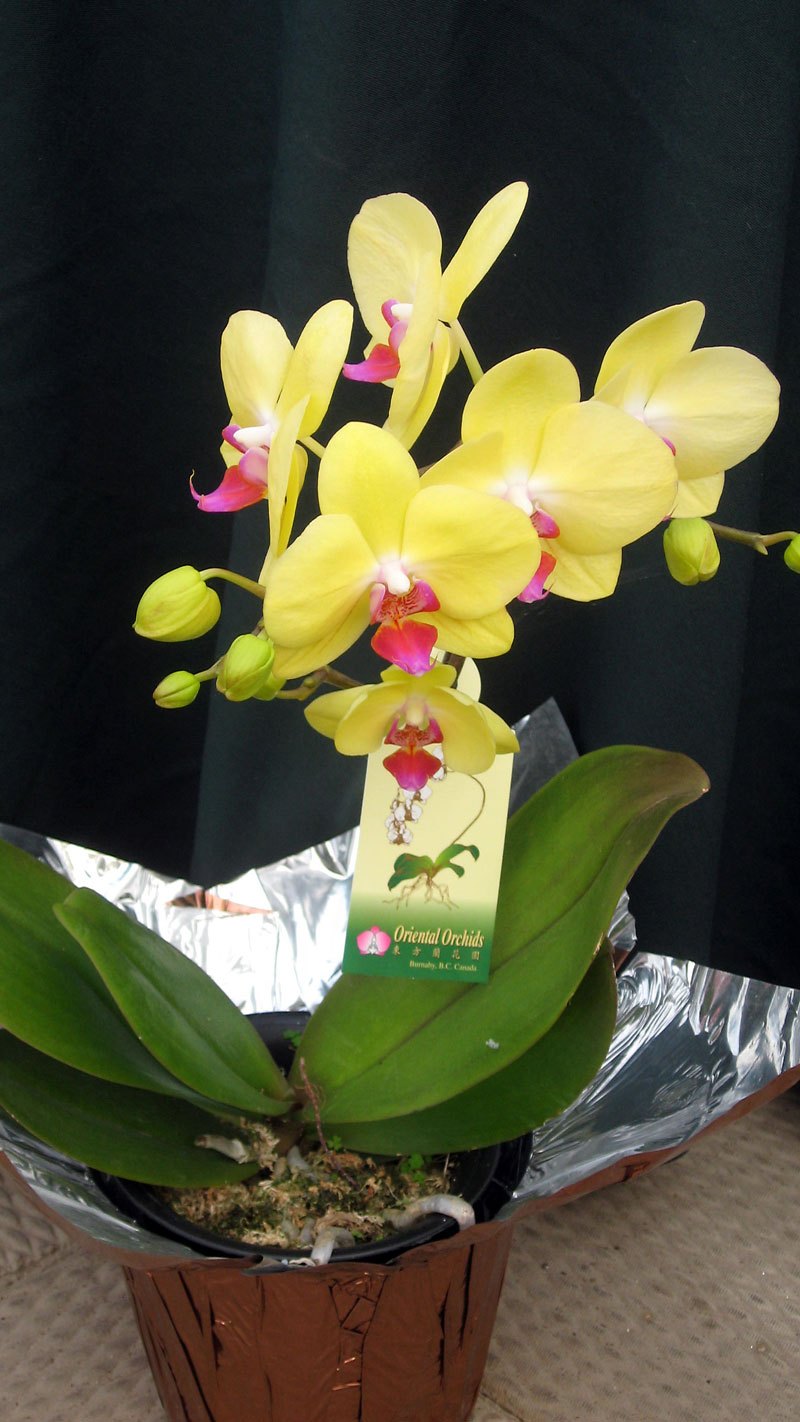
Use a balanced fertilizer and practise what some people call the “weakly-weekly” fertilizer program, which is to use one-quarter the recommended amount of fertilizer every time you water. Phalaenopsis orchids are naturally epiphytes that live on other plants so their roots are often bare or loosely covered by organic matter caught in pockets in the host plants.
Therefore, in the wild tropical jungles where they originate, they will be soaked by a rain followed by a relatively dry period when the roots may partially dry. When grown in pots, the orchids must not be allowed to dry out completely but the planting medium should be allowed to dry out considerably before the plant is watered again.
Grow Phalaenopsis orchids in bright, indirect light but avoid mid-day sun. The plants like temperatures from about 15 to 30 degrees, with the lower temperature to be at night.
Some orchid growers moved their plants to a cooler location for the night and return them to a warmer part of the house for the day. Phalaenopsis orchids also like high humidity, which can be achieved by placing the pots on pebble trays.
An orchid should be located where there is good air circulation — in their natural habitat these plants grow high up fastened to trees where there is plenty of air movement. If necessary, use a small fan.
Phalaenopsis orchids come in a wide array of colours, including white, pink, cranberry, and yellow with lots of variations and blotches of contrasting colours. They are absolutely stunning and add an exotic touch to any interior.
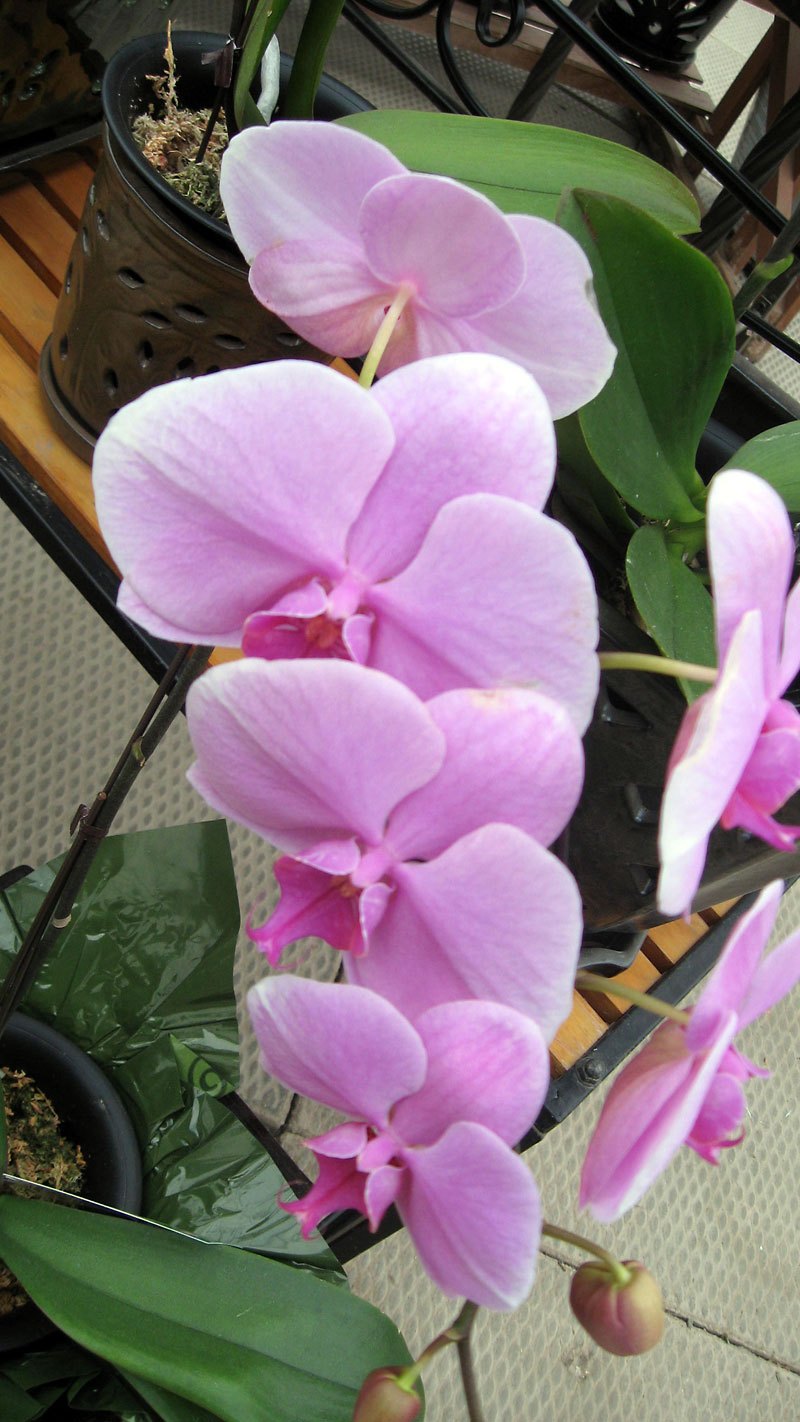
Perhaps you received one for Christmas. If not, maybe you will buy yourself a “post-Christmas” present and treat yourself to one of these lovely flowering plants to enjoy during the darkest part of our long winter.
Albert Parsons is a consultant for garden design and landscaping who lives in Minnedosa.
» communitynews@brandonsun.com