
Gone Gardenin’ – It’s obedient and beautiful!
Advertisement
Read this article for free:
or
Already have an account? Log in here »
We need your support!
Local journalism needs your support!
As we navigate through unprecedented times, our journalists are working harder than ever to bring you the latest local updates to keep you safe and informed.
Now, more than ever, we need your support.
Starting at $15.99 plus taxes every four weeks you can access your Brandon Sun online and full access to all content as it appears on our website.
Subscribe Nowor call circulation directly at (204) 727-0527.
Your pledge helps to ensure we provide the news that matters most to your community!
To continue reading, please subscribe:
Add Brandon Sun access to your Free Press subscription for only an additional
$1 for the first 4 weeks*
*Your next subscription payment will increase by $1.00 and you will be charged $20.00 plus GST for four weeks. After four weeks, your payment will increase to $24.00 plus GST every four weeks.
Read unlimited articles for free today:
or
Already have an account? Log in here »
Hey there, time traveller!
This article was published 11/08/2011 (5269 days ago), so information in it may no longer be current.
When we are choosing plants for our perennial borders, there usually seems to be both positive characteristics and negative traits to be considered when a certain plant is a candidate for inclusion in the border.
Finally, it often comes down to a toss up between the two, and nine times out of 10 we decide to overlook the drawbacks of the plant and purchase it — at least I do as I rarely can resist the impulse to add yet another plant to my garden.
So it is with the plant Physostegia virginiana, more commonly called obedient plant or false dragonhead.
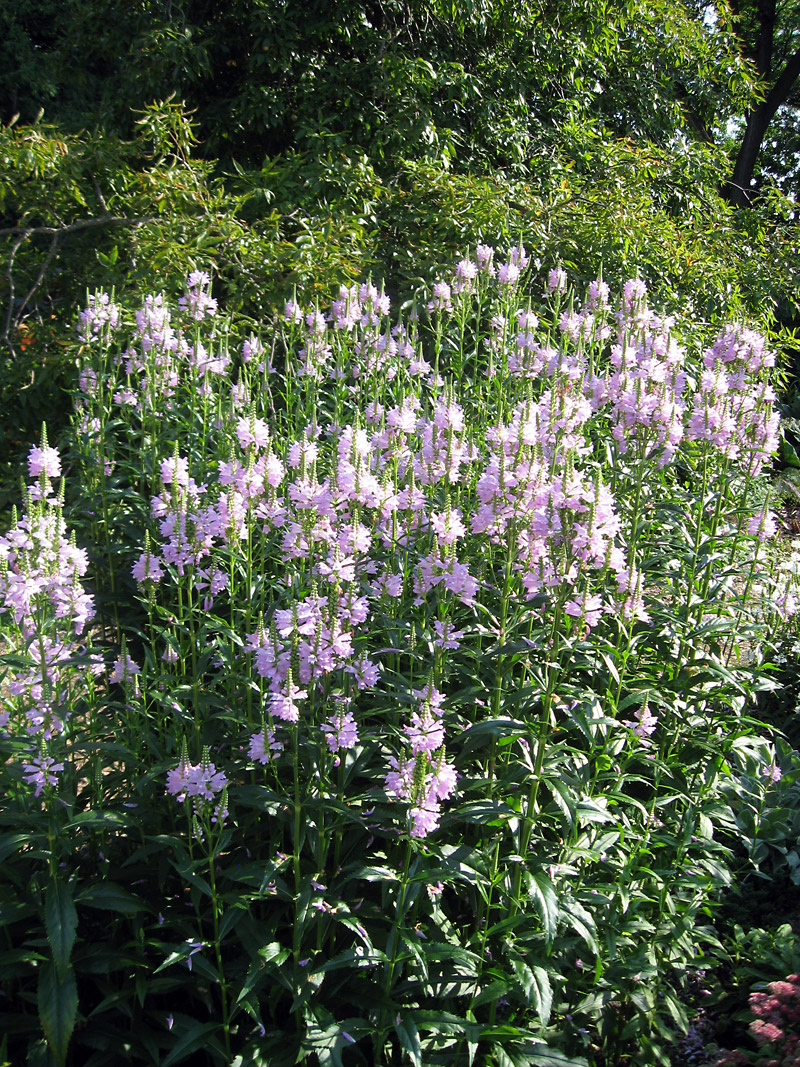
It is a lovely tall perennial that will grace a flower border with beautiful spikes of bloom from mid-summer well into fall, it has a long bloom period, and it makes a wonderful cut flower.
Having so many positive traits, what is the drawback? The answer: it is one of those plants that is labelled "invasive". Indeed, it is a spreader and in the right environment, it can become a major problem in the garden.
Upon weighing the pros and cons of such a plant, you must face its faults up front and determine that if you want to include it in your landscape you will have to figure out how you are going to deal with its negative characteristic.
Adding an invasive plant to the garden can become a headache unless you have a strategy in place to prevent it from becoming a problem.
Obedient plant got its common name from the fact that the individual florets on its stems, when they are manipulated into a new position, will stay that way for some time — a boon to the avid flower arranger. Its other common name, false dragonhead, comes from the fact that the plant’s individual florets resemble those of the snapdragon.
Obedient plant is a large perennial, growing from 90 – 120 cm tall and having a width of anywhere from a meter and beyond if the clump is allowed to natural expand — and expand it will by underground roots that travel below the surface of the soil and can travel well over a meter in one growing season.
The plant has tall sturdy stems and produces spikes of tubular blossoms that are quite similar to those of snapdragon. The bloom is produced along the erect stems; the lower buds open first and the rest of the buds open gradually all the way up the stems to the very top. The bloom colour is either dark pink or white.
The deep green, waxy leaves are opposite and lance-shaped and are grow abundantly along the length of the stems making a clump of obedient plant an attractive bushy specimen in the border.
Obedient plant prefers full sun but it will tolerate some late afternoon shade.
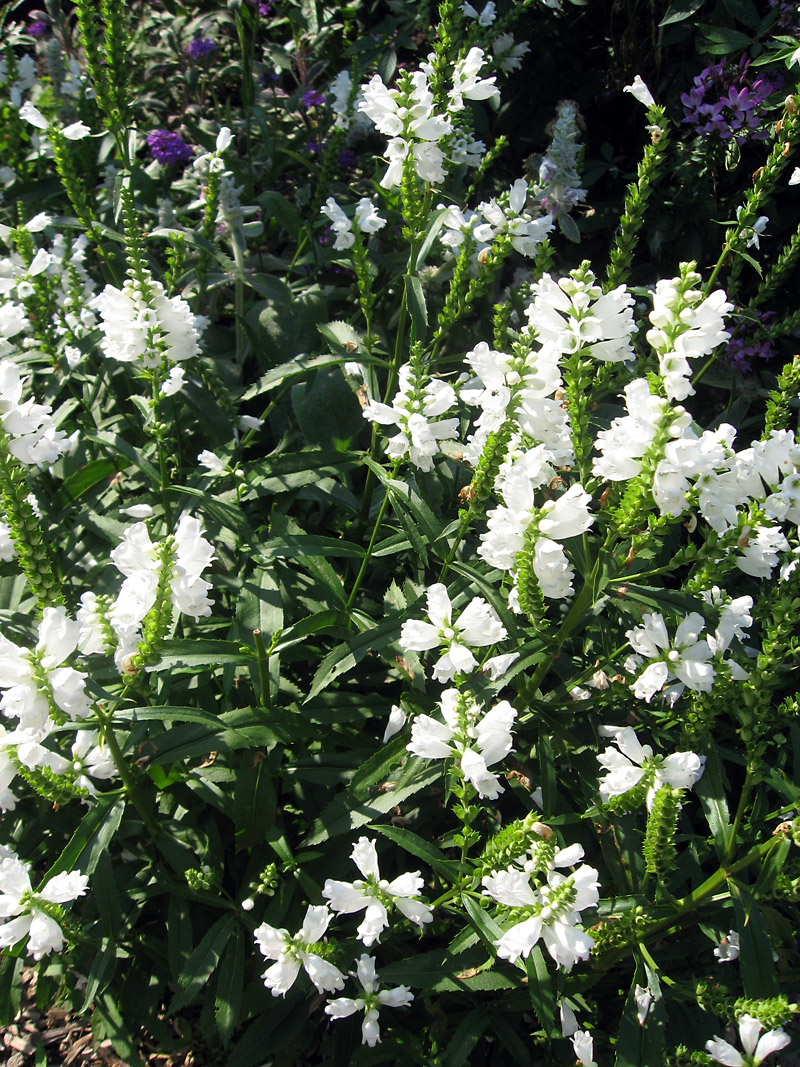
It is at home in moist conditions and often is used in bog gardens, along streams and around ponds and water gardens. Surprisingly, given its penchant for moist locations, it is quite drought tolerant, no doubt a reflection of its extensive root system.
Obedient plant attracts butterflies, bees and hummingbirds to the garden as do most wild flowers — obedient plant is a wild flower native to the north-central U.S. As you may have already suspected it is propagated easily by division.
If you want to include obedient plant into your garden, you will have to determine how to deal with its invasive nature. Some gardeners grow such plants in large nursery pots with the bottoms cut out of them and sinking them into the ground so their tops are flush with ground level.
This technique may not work with this plant as its fast growing, long root tentacles may simply grow down and under the bottom edge of the pot and escape — although this would take some time and if you lift the pot each fall or spring and dispose of any errant roots, you may keep it controlled.
Another way to deal with invasive plants is simply to plant them in a location where it doesn’t matter if they travel.
Maybe you have an area of your landscape where such a plant can naturalize without encroaching on other plants — or maybe it will be contained by natural barriers and only be able to travel so far.
Obedient plant will be much more invasive in wet or damp conditions. Grown in a dry area that receives no irrigation, the plant is much less invasive.
Plant breeders have been at work trying to develop cultivars which are just as beautiful as the original plant but not as invasive.
One that has been on the market for the last couple of years looks promising and it has the very suitable name — ‘Miss Manners.’
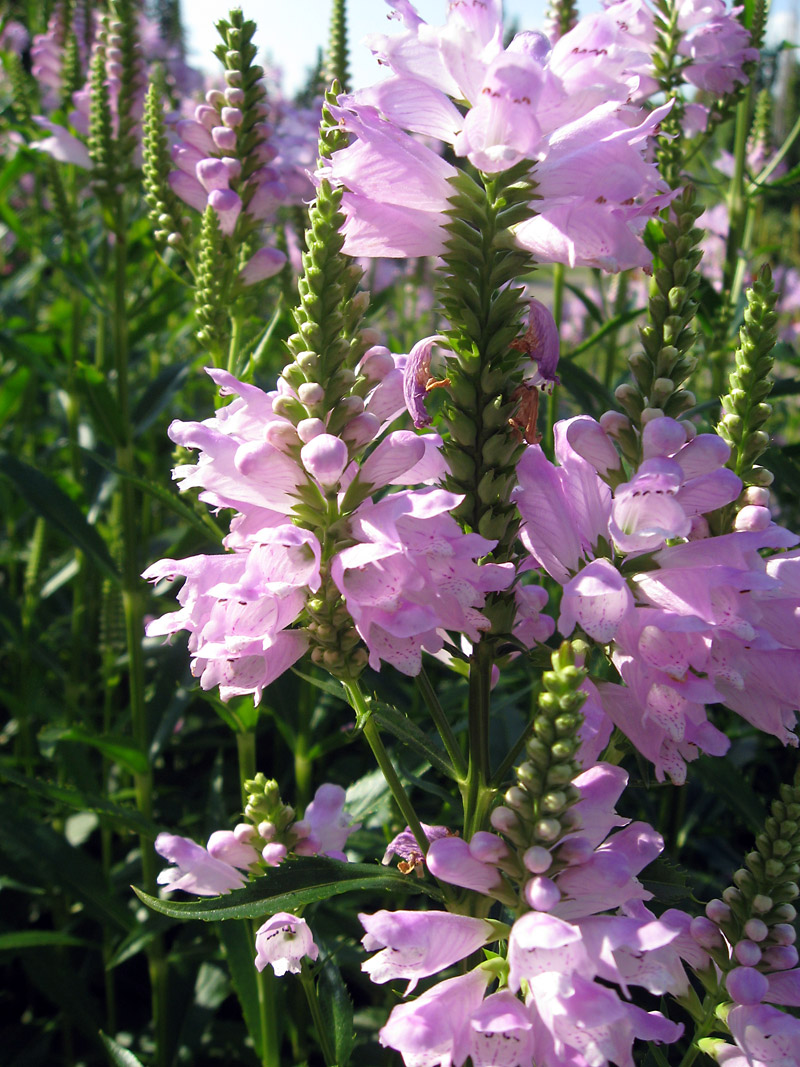
I really like the pink obedient plant and when it is paired with purple catmint or dark violet speedwells or sages, stunning combinations can be created. Am I prepared to put up with its invasiveness to enjoy the rewards? We’ll see!
Albert Parsons is a consultant for garden design and landscaping who lives in Minnedosa.
» communitynews@brandonsun.com