
New VLTs are on the way
Lotteries authority wants to cure 'game fatigue,' boost revenue
Advertisement
Read this article for free:
or
Already have an account? Log in here »
We need your support!
Local journalism needs your support!
As we navigate through unprecedented times, our journalists are working harder than ever to bring you the latest local updates to keep you safe and informed.
Now, more than ever, we need your support.
Starting at $15.99 plus taxes every four weeks you can access your Brandon Sun online and full access to all content as it appears on our website.
Subscribe Nowor call circulation directly at (204) 727-0527.
Your pledge helps to ensure we provide the news that matters most to your community!
To continue reading, please subscribe:
Add Brandon Sun access to your Free Press subscription for only an additional
$1 for the first 4 weeks*
- Enjoy unlimited reading on brandonsun.com
- Read the Brandon Sun E-Edition, our digital replica newspaper
*Your next Free Press subscription payment will increase by $1.00 and you will be charged $20.95 plus GST for four weeks. After four weeks, your payment will increase to $24.95 plus GST every four weeks.
Read unlimited articles for free today:
or
Already have an account? Log in here »
Hey there, time traveller!
This article was published 04/11/2011 (5448 days ago), so information in it may no longer be current.
Gamblers in Manitoba will soon see new video lottery terminals in their favourite haunt as the Manitoba Lotteries Corporation tries to pull even more money from gamers.
The Crown corporation is coming off a roll, according to its recently released 2010-11 annual report, earning a booming $43.5 million more in overall revenue than in the year before, and it wants that profitable trend to continue, MLC spokeswoman Susan Olynik said Thursday.
The plan calls for unplugging aging VLTs and installing newer ones, likely next year, to attract players back to the machines.
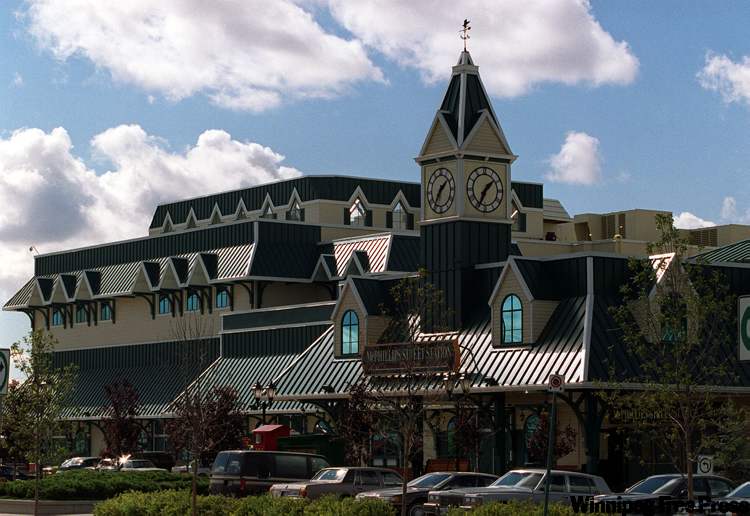
“VLT revenue has started to plateau,” she said. “What that tells us is that there is a bit of game fatigue.
The VLTs now in use in Manitoba were introduced in 2004, replacing older ones, and are near the end of their life cycle.
“There’s a need to refresh those machines,” Olynik said.
The VLTs remain popular — they generated more than $330.5 million in revenue in 2010-11, but that’s $10 million less than in the year before.
Overall revenue for the corporation was $811.1 million, up $43.5 million from 2009-10. After operating and other expenses, net income was $332 million, a $20-million increase in what the MLC originally estimated for the year.
Olynik said the Lotto Max lottery is increasing in popularity — more people buy tickets as jackpots increase — as are profits from live events at the two city casinos, McPhillips Station and Club Regent.
That is expected to continue despite the talk of a another recession.
“Casino gaming and the lottery area, as well as VLT gaming, continues to be a popular form of entertainment for Manitobans,” she said. “Across the country, gaming is very popular.”
It’s so popular the live-concert venue at Club Regent is being renovated to handle larger shows. Plus, there’s the $50-million Canad Inns hotel development that will start next year next to McPhillips Station Casino.
Olynik said the MLC is watching how other provinces handle online gambling.
Progressive Conservative lotteries and gaming critic Blaine Pedersen said it should come as no surprise the MLC performed beyond expectations.
“They’ve got a monopoly on the business. Why wouldn’t they?” he said.
Pedersen said Manitoba Lotteries has to be more aggressive in replacing older VLTs. Besides the MLC’s bottom line, many rural and city bars and legions rely on the machines to attract customers.
“This is a huge contention for particularly the rural hotels and hotels in general that have VLTs,” he said, explaining some rural hotels are losing business.
“Any establishment or restaurant that has a VLT, the games have not been updated and players are up to date on what the new games are,” he said.
Pedersen questioned why the MLC was so far off in its estimate of net income for 2010-11. The corporation estimated revenue at $312.7 million, but reported $332 million. Estimated revenue for 2011-12 is $348.3 million.
“Twenty million dollars is a pretty big blip to have,” Pedersen said. “How accurate is their forecasting? I hope we’re not building Manitoba’s economy on the casinos.”
bruce.owen@freepress.mb.ca
Gambling addict
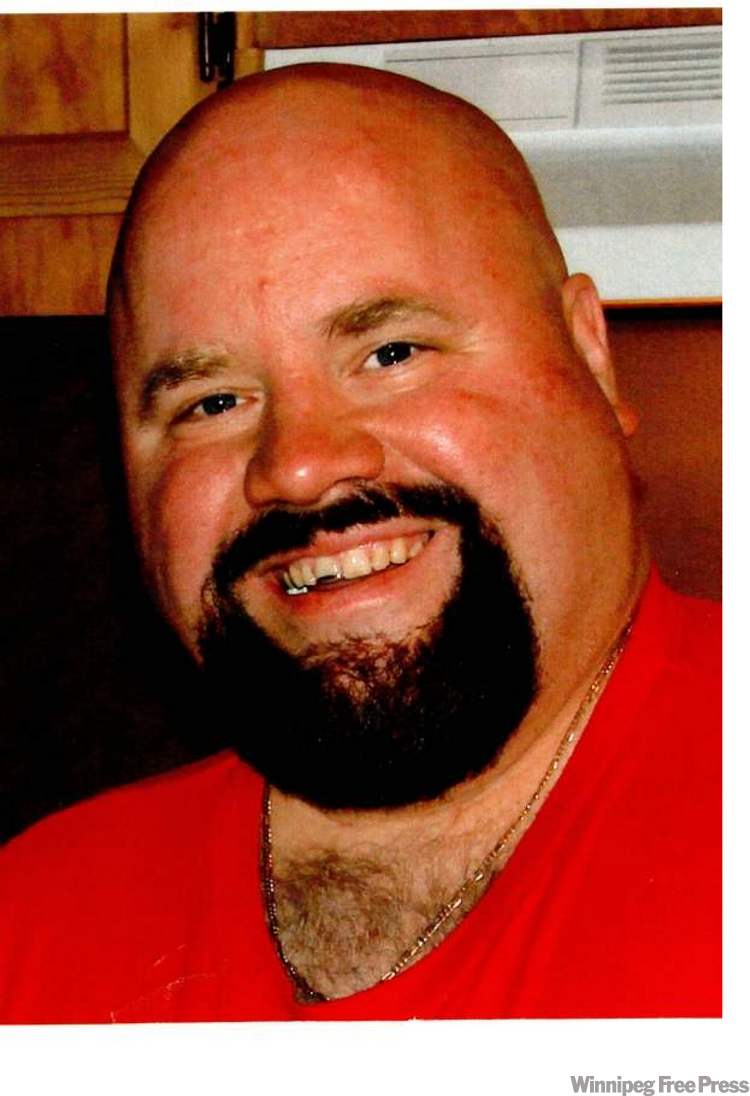
going on crusade
HE seemingly vanished from his job in 2009 as head of the United Steelworkers Union in The Pas.
But now Chris Parlow is back, and he wants to share his story of why he went missing and was found weeks later in Kingston, Ont.
It has to do with gambling and being addicted to the rush of the big win, only to lose it all.
“There are many people who are suffering from gambling problems, and I believe they’re in the shadows,” Parlow, 51, said Thursday. He said he has been in treatment since the end of September in an Addictions Foundation of Manitoba program in Brandon.
“It’s a nightmare when you live with a gambling addiction, which I have, and have lived with most of my life,” he said.
Parlow’s last bet was the last few dollars he had — $18 on a game between the New York Yankees and the Seattle Mariners he was listening to on the car radio, parked in an isolated field near Kingston.
“I had picked New York to win, which would have completed a four-pick combo ticket where all games had to be correct for the bettor to win. Mariano Rivera was in relief for the Yankees and he had won 40 of 41 games that season in relief. Up to the plate stepped Ichiro Suzuki with first base open. The Yankees decided to pitch to him. Suzuki hit a home run off Rivera and won the game for Seattle 3-2.
“It was indicative of my life.”
With years of gambling leaving him penniless and depressed, Parlow was admitted to a psychiatric unit in Kingston within hours.
“Fate had other plans and my suicide attempts weren’t successful following the game in September 2009.”
He believes it’s his mission to encourage other gambling addicts to come out of the shadows so they can get help.
He suggests the province pay for people to take off work, like a wage subsidy, so a problem gambler can go into a temporary program without losing income to pay bills or care for family.
Parlow said he’s going public with his story in advance of Manitoba Addictions Awareness Week, which starts Nov. 14 at the Winnipeg Art Gallery.
— Bruce Owen