Gone Gardenin’ – What to grow in your winter light garden
Advertisement
Read this article for free:
or
Already have an account? Log in here »
We need your support!
Local journalism needs your support!
As we navigate through unprecedented times, our journalists are working harder than ever to bring you the latest local updates to keep you safe and informed.
Now, more than ever, we need your support.
Starting at $15.99 plus taxes every four weeks you can access your Brandon Sun online and full access to all content as it appears on our website.
Subscribe Nowor call circulation directly at (204) 727-0527.
Your pledge helps to ensure we provide the news that matters most to your community!
To continue reading, please subscribe:
Add Brandon Sun access to your Free Press subscription for only an additional
$1 for the first 4 weeks*
- Enjoy unlimited reading on brandonsun.com
- Read the Brandon Sun E-Edition, our digital replica newspaper
*Your next Free Press subscription payment will increase by $1.00 and you will be charged $20.95 plus GST for four weeks. After four weeks, your payment will increase to $24.95 plus GST every four weeks.
Read unlimited articles for free today:
or
Already have an account? Log in here »
Hey there, time traveller!
This article was published 01/12/2011 (5442 days ago), so information in it may no longer be current.
A couple of weeks ago I wrote a column about how to set up a winter light garden in the home to allow those gardeners who wish to continue playing in the dirt to do so during the winter.
At the end of the column, I promised to write a further column about what plants you can grow in a light garden and although a week late, this week’s column will do just that — better late than never!
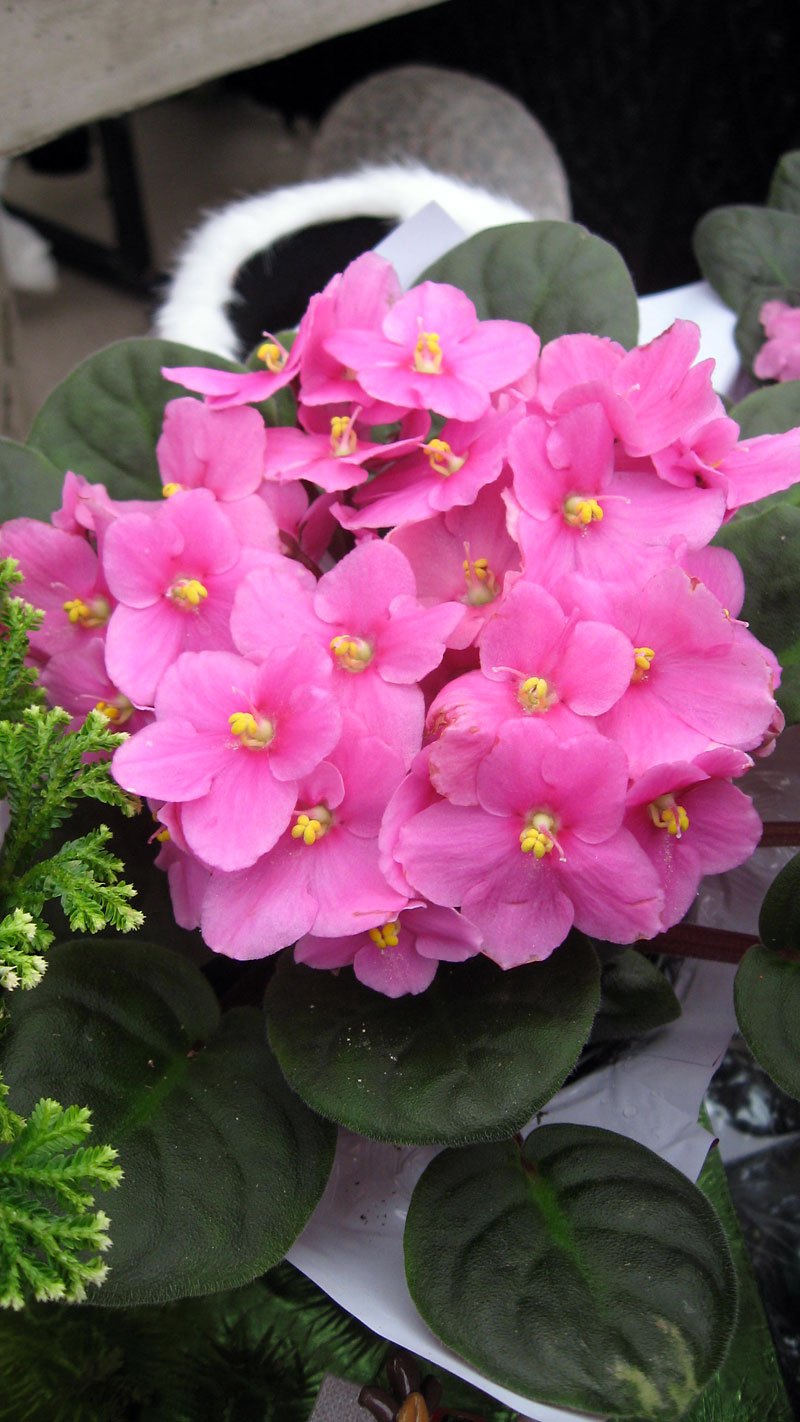
One plant that absolutely loves the growing conditions that a light garden provides is the African violet. I have a neighbour who still grows some violets under the lights of her light garden but for years she had literally hundreds of violets in her light garden.
African violets like warm temperatures, so the heat from the fluorescent tubes will actually have a positive effect on the violets’ performance. They also are heavy feeders when they are in active growth, so a recommended African violet food should be added to the water at every watering — the product I use is a liquid plant food that is recommended for African violets.
Since African violets are usually grown in relatively small pots, they will need to be watered quite frequently. Spent blooms and shrivelled leaves should be removed to enhance the plants’ appearance and to discourage the development of disease.
Any plants that are related to the African violet will perform well in a light garden. I have successfully grown streptocarpus (Cape Primerose) and streptocarpella and they bloom profusely under the lights.
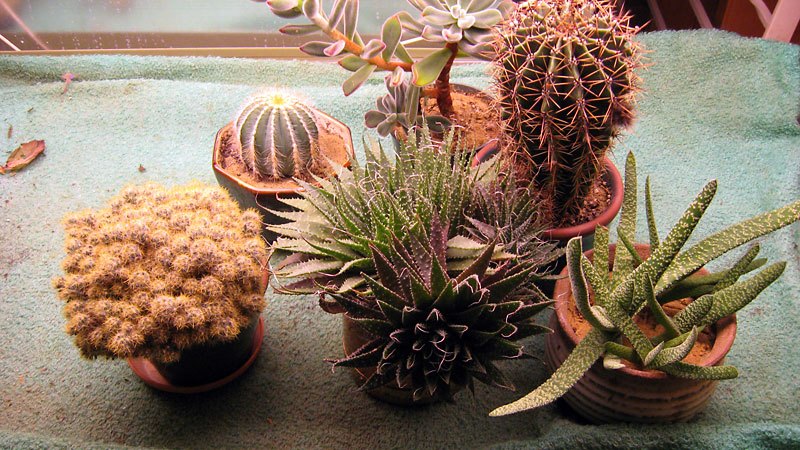
Another group of plants well suited to growing in a winter light garden are cacti and succulents. These plants like lots of light and warm conditions and unlike some other plants, they will not object if the relative humidity of the light garden area is low.
My light garden is in my basement furnace room and the air is quite dry. I counter this problem by leaving saucers of water here and there in the light garden to add moisture to the air; I even use pebble trays under plants that demand particularly high humidity levels.
The cacti and succulents that are the best choices for a light garden are those that do not get too tall. Tall plants can be problematic in a light garden because they grow so tall that the lower sections of the plants receive little light and are shaded from the light by the upper foliage.
Herbs are a good choice for growing in indoor light gardens they like high light levels, warm temperatures, and many of them are compact in size. Thyme, basil, rosemary, lemon balm, marjoram, dill, chives and tarragon have all found a spot in my light garden at one time or another.
Basil will get quite tall, but if the plants are clipped back regularly — which will probably occur as the basil is harvested — its size should not become an issue. This is true of dill and tarragon as well.
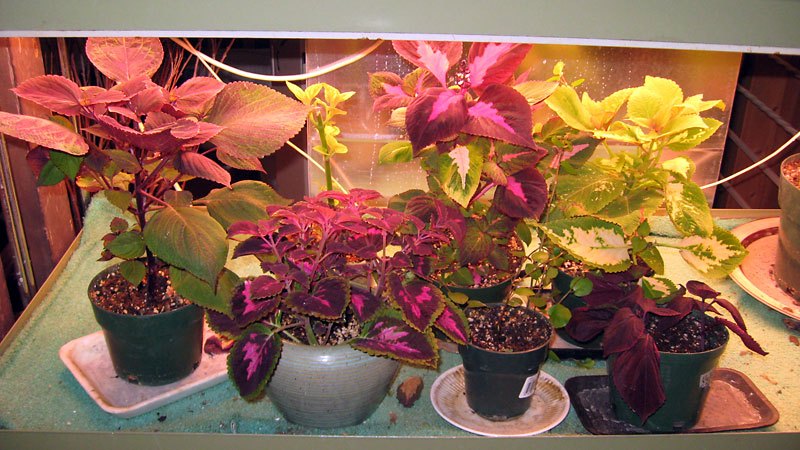
Coleus do well in light gardens as long as they are not allowed to get too large. I constantly slip my coleus to establish new pots so they fit well under the lights.
Of course, light gardens are perfect for germinating seeds and producing new plants from cuttings. In the spring my light garden is chalk full of seeding trays and small geranium plants that I grow for my outdoor garden.
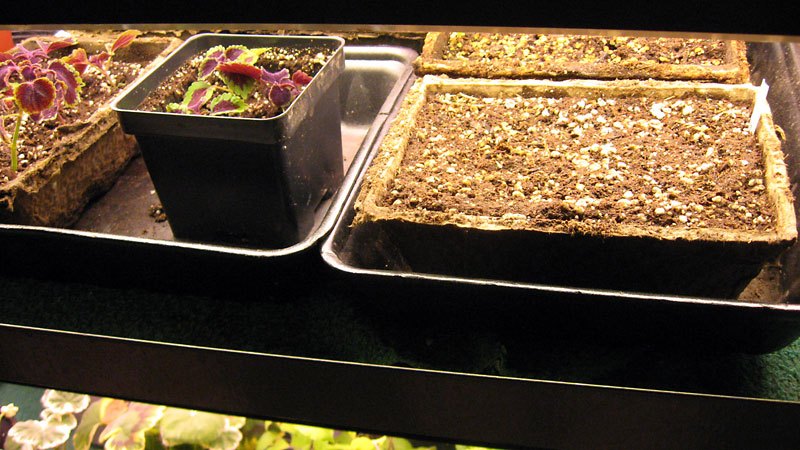
The handy thing about light gardens is that you can adjust how close the plants are to the lights so that they get just the light levels they need. Those that demand the highest light levels can be located in the center of the light garden while those that require less light can be placed around the periphery of the garden.
Have I piqued your interest in establishing a light garden this winter? I hope so, as you will surely get a lot of enjoyment out of it if you do establish one.
Just a final note: I was cautioned after my column about setting up a light garden that I was not using safe procedures concerning electricity. If you do set one up, you might like get a licensed electrician to give you advice on how to safely electrify your light garden.
Albert Parsons is a consultant for garden design and landscaping who lives in Minnedosa.
» communitynews@brandonsun.com