
Urban reserves successful in Saskatoon, mayor tells forum
Advertisement
Read this article for free:
or
Already have an account? Log in here »
We need your support!
Local journalism needs your support!
As we navigate through unprecedented times, our journalists are working harder than ever to bring you the latest local updates to keep you safe and informed.
Now, more than ever, we need your support.
Starting at $15.99 plus taxes every four weeks you can access your Brandon Sun online and full access to all content as it appears on our website.
Subscribe Nowor call circulation directly at (204) 727-0527.
Your pledge helps to ensure we provide the news that matters most to your community!
To continue reading, please subscribe:
Add Brandon Sun access to your Free Press subscription for only an additional
$1 for the first 4 weeks*
*Your next subscription payment will increase by $1.00 and you will be charged $20.00 plus GST for four weeks. After four weeks, your payment will increase to $24.00 plus GST every four weeks.
Read unlimited articles for free today:
or
Already have an account? Log in here »
Hey there, time traveller!
This article was published 14/02/2013 (4818 days ago), so information in it may no longer be current.
IF you’d like to see the success of urban reserves in Canada, look no farther than Saskatoon.
The city christened its first urban economic development zone in 1988 and the relationship between civic officials and the Muskeg Lake Cree Nation has benefited the First Nations community and the city, said Saskatoon Mayor Don Atchison Wednesday.
Muskeg Lake doesn’t pay taxes, but its two urban reserves pay a fee for services to the city, he said.
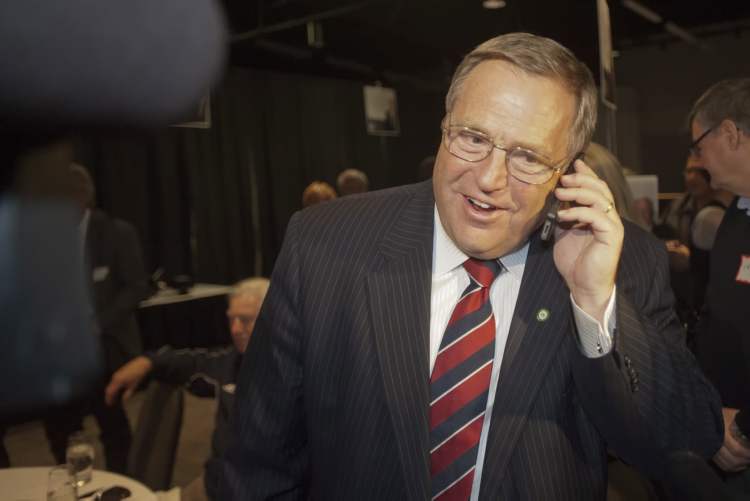
“They’re building in our community and they’re economic generators. They have given a lot of people an opportunity to have a job, to have a home, to raise a family and have better economic conditions. With that comes better education and that leads to better jobs and a better environment for everyone,” Atchison told a lunch crowd at the Winnipeg Free Press News Café.
Several First Nations in Manitoba are awaiting word on a potential urban reserve at the vacant Kapyong Barracks in south Winnipeg.
The plans, however, have proven to be controversial as opponents have voiced their concerns about such an entity setting up in the area.
A big challenge for urban reserves is dispelling the myths they’ll be full of overturned vehicles and stray dogs, said Coun. Harry Lafond from Muskeg Lake.
“We were there to do business and to create wealth for ourselves. We were there to fit into the community and not stand out in a very visible way,” he said.
Muskeg Lake officials recognized they couldn’t move into Saskatoon and be isolated from the community, so they spent five years doing public relations, which included visiting city councillors to explain their plans and holding community meetings to answer questions from future neighbours.
“In order for this to happen, things had to change, attitudes had to change. We were responsible for leading that change together,” he said.
The businesses on Saskatoon’s urban reserves are office buildings, gas stations and specialty retailers.
Atchison said he doesn’t know why any city wouldn’t want to give every citizen an opportunity to succeed. “If anyone in your community fails, it hurts everyone. If everyone is succeeding, they’re all in a different mindset. In Saskatoon, we want everyone to succeed,” he said.
geoff.kirbyson@freepress.mb.ca