
Gone Gardenin’ – Rosettes of Echeveria their big drawing card
Advertisement
Read this article for free:
or
Already have an account? Log in here »
We need your support!
Local journalism needs your support!
As we navigate through unprecedented times, our journalists are working harder than ever to bring you the latest local updates to keep you safe and informed.
Now, more than ever, we need your support.
Starting at $15.99 plus taxes every four weeks you can access your Brandon Sun online and full access to all content as it appears on our website.
Subscribe Nowor call circulation directly at (204) 727-0527.
Your pledge helps to ensure we provide the news that matters most to your community!
To continue reading, please subscribe:
Add Brandon Sun access to your Free Press subscription for only an additional
$1 for the first 4 weeks*
*Your next subscription payment will increase by $1.00 and you will be charged $20.00 plus GST for four weeks. After four weeks, your payment will increase to $24.00 plus GST every four weeks.
Read unlimited articles for free today:
or
Already have an account? Log in here »
Hey there, time traveller!
This article was published 03/04/2014 (4415 days ago), so information in it may no longer be current.
My fascination with the Echeveria (Crassulaceae) plant family started decades ago during a horticultural show — I cannot remember where, but I was an exhibitor — and someone I didn’t know had an Echeveria in a flower arrangement.
Of course, the arrangement won a first prize because the design using the echeveria was so unique.
I made an effort to meet the exhibitor and ask about this unusual plant, and being as generous as most gardeners I have met, after the show she took the echeveria cutting out of her arrangement and gave it to me.
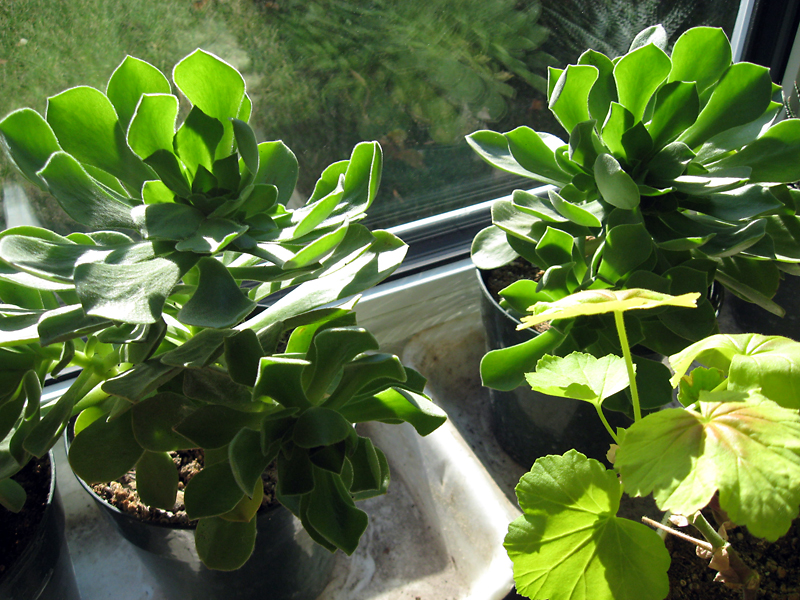
I had it for a number of years but finally lost it — I probably wasn’t giving it the proper conditions, and those were the days before I had an all-season sunroom.
In the last few years, succulents have become a major trend in gardening and now I see echeveria plants in abundance in all the garden centres. People are not only using them as indoor plants, but are using them in their outdoor landscape plans, including in the ever-more popular succulent containers and living wreaths.
Echeveria plants are succulents native to the semi-arid deserts of Central America and Mexico. They, in fact, were named after an 18th century Mexican botanical artist.
Most of the plants we see offered for sale are hybrids and are not frost tolerant like the hardy perennial succulents, such as the sempervivums (hens and chicks) and the sedums, that we use in our outdoor gardens. Echeveria plants must be moved indoors for the winter and cannot be planted outdoors until danger of frost has passed.
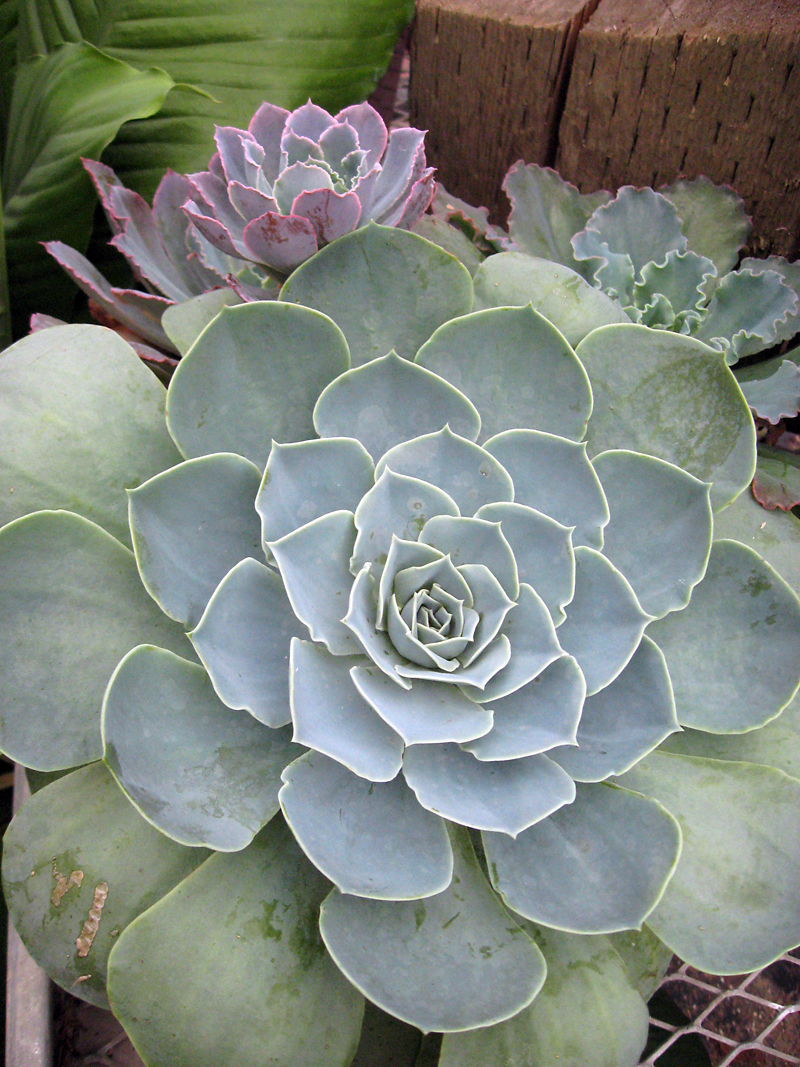
Most Echeverias are evergreen although some are deciduous. The main characteristic of these plants is their compact rosette of fleshy leaves from which stiff, flower stalks emerge.
Although primarily grown for their foliage, some varieties have amazingly beautiful flowers; although not large, the blooms are often brilliantly coloured.
Echeverias will flower and produce seeds many times over the course of their lifetimes, which is not always the case with other desert plants.
Their foliage comes in a variety of colours including many shades of green, burgundy, red, and yellow; there are also Echeverias that have blue leaves. Echeveria leaves, like those of many desert plants, are covered with a white film designed to retain water in dry climates, and the plants look best if the leaves are not handled, which will mark this film.
Re-potting an Echeveria is quite different from how other plants are re-potted. Let the soil in the pot dry out completely before the task of re-potting is undertaken.
Remove the plant from the pot and shake off all the soil from the roots. Remove any dead leaves and replant the plant into fresh, dry soil, spreading the roots out and snipping off any injured or dead ones. Do not water the plant for about a week and then gradually add water to moisten the soil over a period of a few days.
Echeveria do not like wet soil and prefer to have their soil dry out before being watered again. They like full sun, but are quite tolerant of shade so in the outdoor garden they can be located in spots that receive bright indirect light.
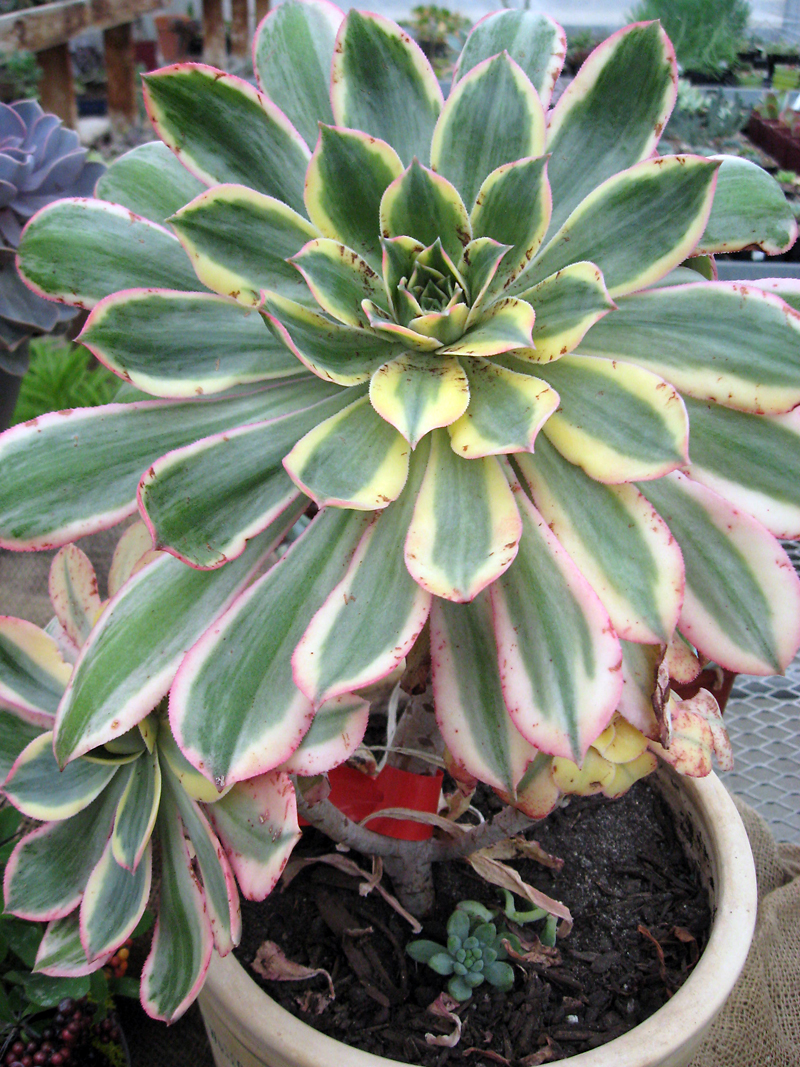
Feed and water Echeverias regularly in the summer but indoors during the winter, Echeverias should be watered infrequently. They will shed some of their lower leaves during this time, which is a natural process.
Be sure to remove these dead leaves from the pot so that harmful fungi do not have a chance to grow and harm the plants.
Over time, an Echeveria will become elongated with bare stems and when the plant is no longer attractive, cut the top off the plant and use the terminal stems as cuttings and discard the parent plant — or cut it back almost to soil level and see if new growth will emerge.
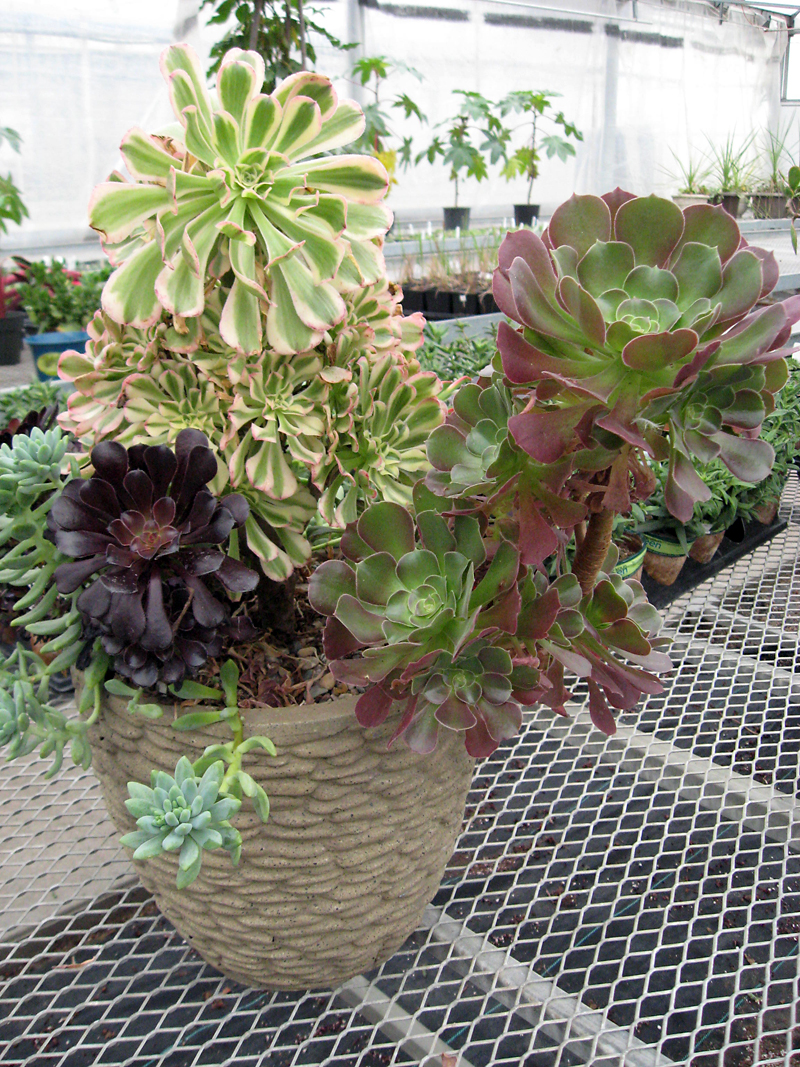
The rosettes of Echeveria foliage are their big drawing card and these rosettes can be quite tiny or gigantic, depending on the variety. They make great specimen plants in the indoor garden or in the outdoor landscape during the summer, and they are wonderful focal points for containers.
The next time you are in a garden centre, peruse their collection of Echeverias and think about how you can incorporate some of these interesting plants into your gardening plans.
Albert Parsons is a consultant for garden design and landscaping who lives in Minnedosa.
» communitynews@brandonsun.com