
Rural closures part of EMS overhaul
Advertisement
Read this article for free:
or
Already have an account? Log in here »
We need your support!
Local journalism needs your support!
As we navigate through unprecedented times, our journalists are working harder than ever to bring you the latest local updates to keep you safe and informed.
Now, more than ever, we need your support.
Starting at $15.99 plus taxes every four weeks you can access your Brandon Sun online and full access to all content as it appears on our website.
Subscribe Nowor call circulation directly at (204) 727-0527.
Your pledge helps to ensure we provide the news that matters most to your community!
To continue reading, please subscribe:
Add Brandon Sun access to your Free Press subscription for only an additional
$1 for the first 4 weeks*
- Enjoy unlimited reading on brandonsun.com
- Read the Brandon Sun E-Edition, our digital replica newspaper
*Your next Free Press subscription payment will increase by $1.00 and you will be charged $20.95 plus GST for four weeks. After four weeks, your payment will increase to $24.95 plus GST every four weeks.
Read unlimited articles for free today:
or
Already have an account? Log in here »
Hey there, time traveller!
This article was published 30/06/2017 (3245 days ago), so information in it may no longer be current.
A major overhaul of Manitoba’s emergency medical services will include the closure of 23 low call-volume rural stations.
Health Minister Kelvin Goertzen said five new strategically placed stations will replace the shuttered stations as the province moves to a goal of 24-7 paramedic coverage.
“It’s not about where the stations are located so much, it’s about where the ambulances are located and the flexibility to have them in different places,” Goertzen said.
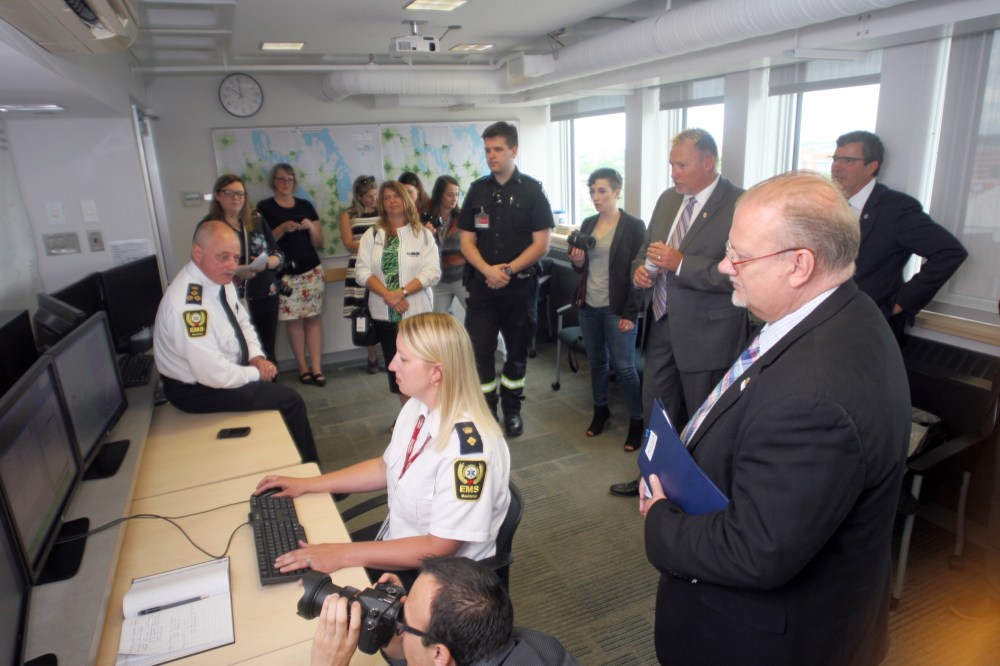
New sites will be located in Alonsa, Cowan, Miniota, Eriksdale and Manigotagan, while stations in Virden and Glenboro will be enhanced. The changes stem from recommendations contained in the 2013 Provincial EMS Review by Reg Toews, which was commissioned by the previous NDP government.
The list of stations to close includes Baldur, Birtle, Boissevain, Cartwright, Elkhorn, Ethelbert, Grandview, Hamiota, Hartney, McCreary, Oak Lake, Reston, Rossburn, Treherne and Wawanesa. Stations in Elie, Manitou, Swan Lake, Bissett, Lundar, Pinawa, Reynolds and Riverton will also close.
A provincial spokesperson stressed they will not be closed until capacity is created with new sites. Closed sites may be repurposed as maintenance facilities, storage or used as flexible dispatch posts.
Yesterday, Goertzen was at Brandon Regional Health Centre to announce the province will invest $1.7 million to add 29 full-time paramedic positions across three regional health authorities: Prairie Mountain Health, Southern Health and Interlake-Eastern.
“These new positions … will offer more stable and enhanced service to those in those regions where they will serve,” he said. “And they move us into the right direction of a 24-hour, seven day a week paramedic and EMS system.”
The new positions will soon be located in Arborg, Ashern, Waterhen, Gladstone/Kinosota, Carman and Morris. Four paramedics have already been hired for Glenboro.
They will replace on-call, standby shifts at seven stations across southern Manitoba, according to Corene Debreuil, acting executive director of health emergency management with Manitoba Health, Seniors and Active Living.
“When paramedics are on standby, that means they have to travel back to their station to pick up the ambulance before they can proceed to a call,” she said. “Reducing our reliance on standby shifts and funding permanent positions supports quicker response times.This is because the paramedics will be on duty, with the ambulance at their station and ready to respond as soon as a call comes in.”
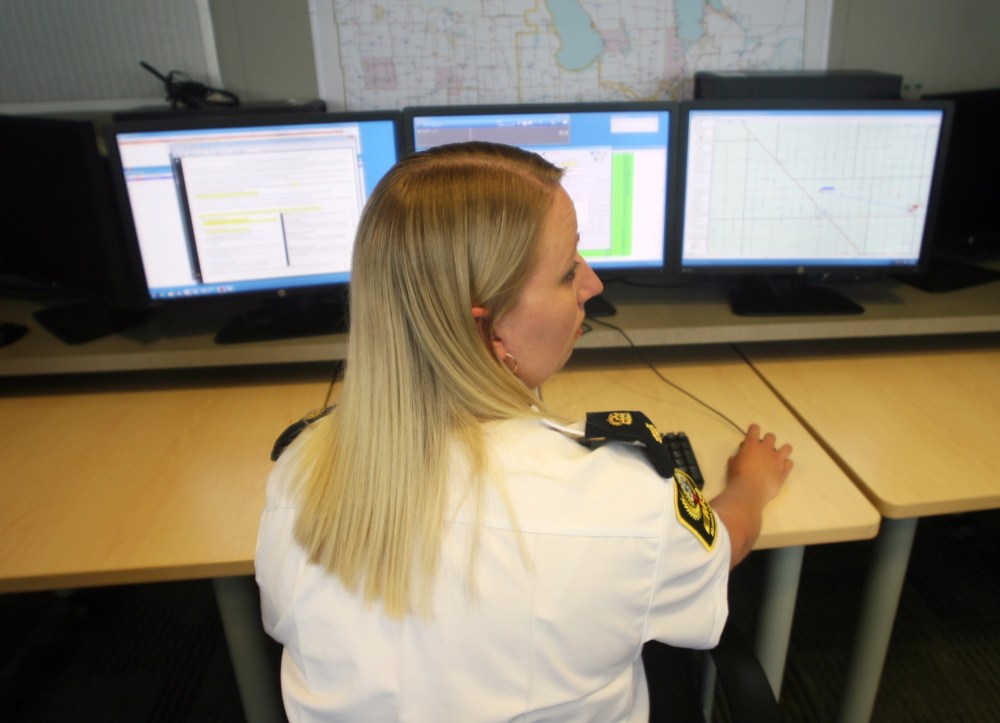
This announcement is the latest in the Manitoba government’s roll out of sweeping changes to the province’s health-care system.
On Wednesday, Goertzen announced the creation of a new provincial organization that will oversee an array of provincial health services and reduce administrative duplication within the province’s five regional health authorities. Shared Health Services Manitoba will allow EMS services to be operated centrally. These changes aim to address the ongoing challenge of rural emergency departments, which are often subject to frequent closures due to a lack of staffing and resources.
Times have changed greatly when it comes to paramedics, Goertzen said.
“Years ago … they were simply viewed as the people who picked you up and brought you to the hospital for care,” he said. “Those days are long gone. Now, that care begins when the paramedics show up, whether it’s at your door or on the scene of an accident, whether they arrive by land … or air, the care that Manitobans need at the time of their greatest need, happens when that paramedic arrives.”
CameronRitzer, chair of the Paramedic Association of Manitoba, spoke in favour of the transition to 24-hour staffing, saying it guarantees that paramedics are always prepared and able to respond in “the most sound mind and body.”
“Decreasing the use of on-call services ensures that paramedics are given the most appropriate and available resources, time and commitment to ensure a truly mobile health service,” he said. “One that gets the right care to our patients at the right time.”
Meanwhile, the Manitoba Government and General Employees’ Union was not as optimistic about the EMS changes. President Michelle Gawronsky provided a statement to The Brandon Sun following Goertzen’s press conference.
“In 2013, the EMS review called for the addition of 400 EMS responders in the province — and with a population that continues to grow, this is a very small step forward in achieving that,” Gawronsky stated. “It’s prudent that the government act now to fill those 400 positions before closing any sites because until that happens no improvements to patient care are possible.”
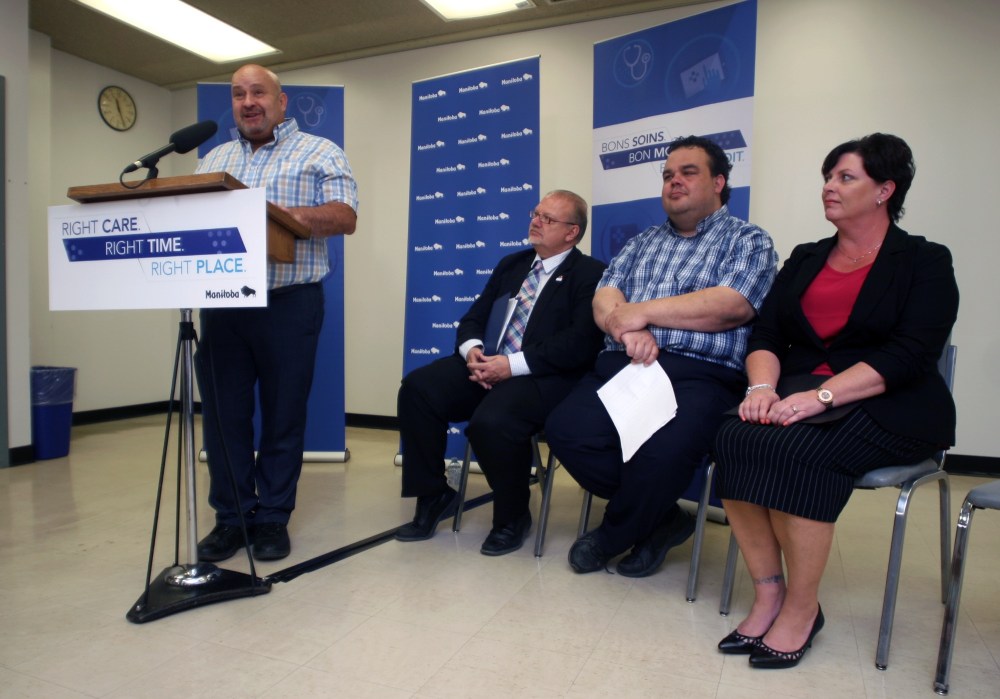
Gawronsky urged the government to move cautiously when closing sites, adding, “It’s concerning that the Manitoba government is making so many sweeping changes to our health-care system all at once.This is very stressful for those providing these services every day and for patients.”
@02 End of Story Credit:» jaustin@brandonsun.com,
with files from the Winnipeg Free Press
» Twitter: @jillianaustin