
Lamont disputes Pallister’s take on cannabis revenue
Advertisement
Read this article for free:
or
Already have an account? Log in here »
We need your support!
Local journalism needs your support!
As we navigate through unprecedented times, our journalists are working harder than ever to bring you the latest local updates to keep you safe and informed.
Now, more than ever, we need your support.
Starting at $15.99 plus taxes every four weeks you can access your Brandon Sun online and full access to all content as it appears on our website.
Subscribe Nowor call circulation directly at (204) 727-0527.
Your pledge helps to ensure we provide the news that matters most to your community!
To continue reading, please subscribe:
Add Brandon Sun access to your Free Press subscription for only an additional
$1 for the first 4 weeks*
*Your next subscription payment will increase by $1.00 and you will be charged $20.00 plus GST for four weeks. After four weeks, your payment will increase to $24.00 plus GST every four weeks.
Read unlimited articles for free today:
or
Already have an account? Log in here »
Hey there, time traveller!
This article was published 23/01/2019 (2608 days ago), so information in it may no longer be current.
The leader of the Manitoba Liberal Party is disputing an argument from the provincial government that the revenue generated from the sale of cannabis will not be enough to cover the costs.
Speaking to The Brandon Sun on Tuesday, Dougald Lamont argued that the costs associated with arresting and prosecuting people for cannabis possession should drop with legalization now in effect and that expenses are not being born by the public, but rather the private sector, which is responsible for the retail side.
Premier Brian Pallister has previously said that municipalities should not expect any revenue from the sale of cannabis, given costs are expected to be greater than projected revenues.
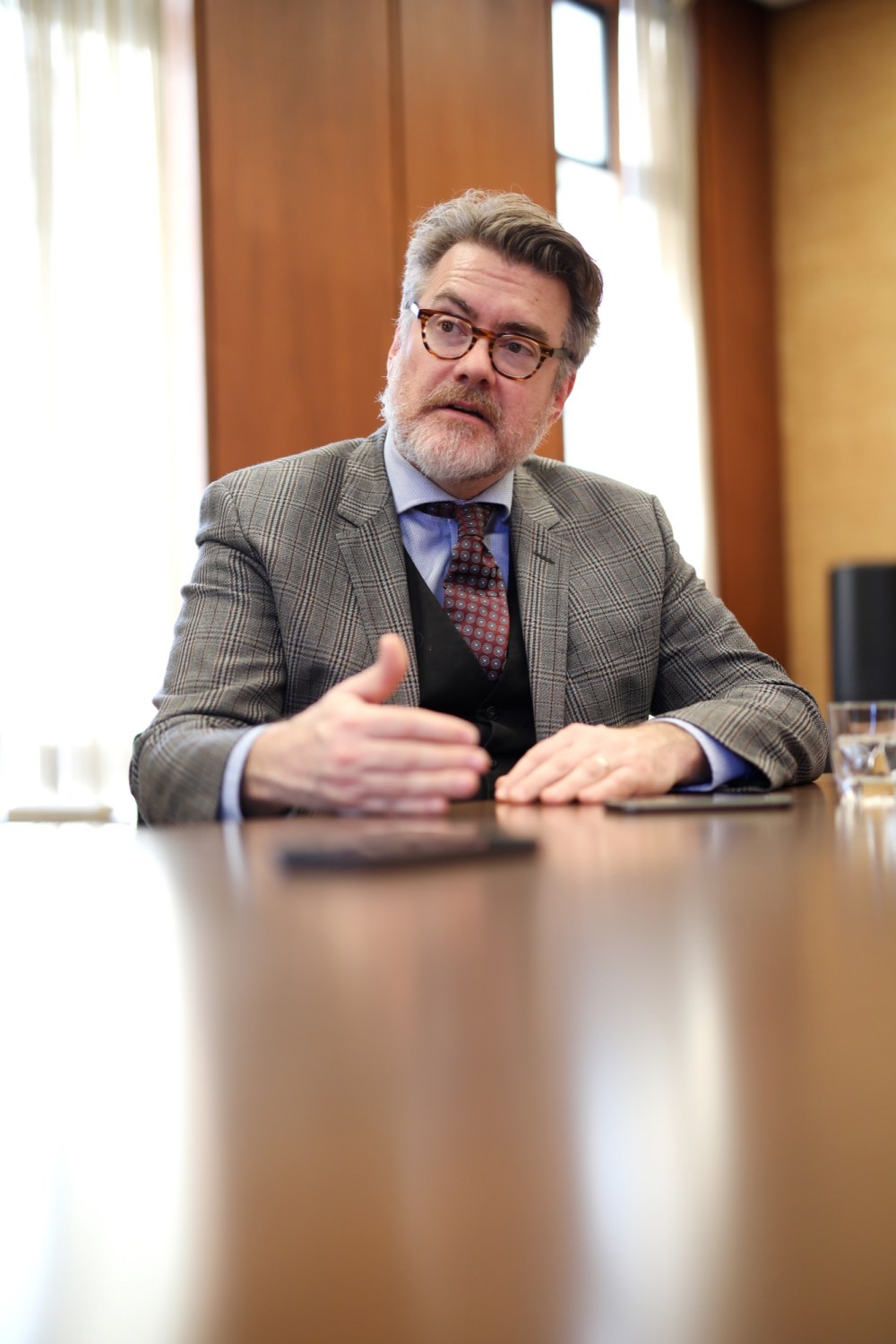
Lamont pledged in his alternative throne speech in November to use $12.8 million of cannabis revenue to fund a province-wide public awareness campaign on the dangers of drugs, like methamphetamine, as well as detox spaces.
“It’s incredible to me that this is not going to generate revenue of any kind …,” Lamont said. “There’s money being made at every step by the provincial government. They have a nine per cent mark up and a six per cent social responsibility fee, both of which I understand are separate from the federal excise tax, which they get 75 per cent of.”
Lamont said he also told Mayor Rick Chrest that he would be in favour of giving municipalities 25 per cent of the excise tax.
Manitoba does not charge provincial sales tax on recreational marijuana, but the province has added a nine-per-cent wholesale mark-up on non-medicinal cannabis and applied a six per cent “social responsibility fee” on retailers.
The Manitoba government website says the social responsibility fee will be used to fund the “many social costs” associated with legal cannabis, including addictions treatment and public education campaigns.
During his meeting with Chrest on Tuesday, Lamont said the two of them spoke about the mayor’s priorities for Brandon and the challenges facing the city around meth and infrastructure.
“He seems like a really practical guy who’s interested in getting things done,” Lamont said.
The Liberal leader also had a meeting scheduled with addictions treatment advocate Kim Longstreet, whom Lamont said first put the meth issue on his radar more than a year ago.
Lamont said beyond the short-term fixes for meth, there also needs to be options for long-term treatment, such as housing with mental health supports.
He added that he would be willing to invest in additional detox spaces in Brandon to create a centre for the city.
“We need to be willing to let people take the time they need to recover and that hasn’t been happening,” he said.
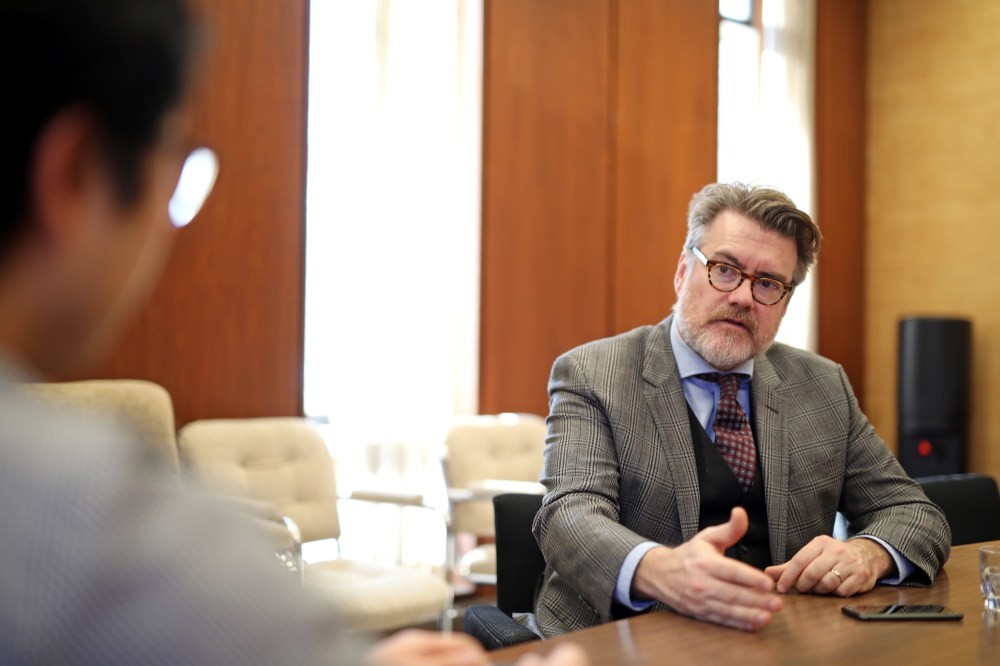
With the next provincial election scheduled for Oct. 6, 2020, Lamont said the electoral boundary changes, as well as a growing number of young voters, will help them win government.
And despite looking to gain seats in Westman, which voted heavily Progressive Conservative in the last provincial election, he said his commitment to govern for everyone, not just those in Winnipeg, will help his party.
“There are hundreds of thousands of people in Manitoba who don’t live in Winnipeg and they matter, and we want people across Manitoba to succeed,” he said.
Lamont also pointed to cuts in the provincial roads budget as one example of a lack of investment from the PCs, which he argued will affect businesses, workers, First Nations, and rural municipalities.
“It seems to me that Pallister is overwhelmingly focused on cuts, and we’ve said this many times, cuts don’t treat diabetes, cuts don’t provide addictions services, and cuts don’t build roads and bridges.”
» mlee@brandonsun.com
» Twitter: @mtaylorlee