
Cross-border cabin owners blocked
Advertisement
Read this article for free:
or
Already have an account? Log in here »
We need your support!
Local journalism needs your support!
As we navigate through unprecedented times, our journalists are working harder than ever to bring you the latest local updates to keep you safe and informed.
Now, more than ever, we need your support.
Starting at $15.99 plus taxes every four weeks you can access your Brandon Sun online and full access to all content as it appears on our website.
Subscribe Nowor call circulation directly at (204) 727-0527.
Your pledge helps to ensure we provide the news that matters most to your community!
To continue reading, please subscribe:
Add Brandon Sun access to your Free Press subscription for only an additional
$1 for the first 4 weeks*
- Enjoy unlimited reading on brandonsun.com
- Read the Brandon Sun E-Edition, our digital replica newspaper
*Your next Free Press subscription payment will increase by $1.00 and you will be charged $20.95 plus GST for four weeks. After four weeks, your payment will increase to $24.95 plus GST every four weeks.
Read unlimited articles for free today:
or
Already have an account? Log in here »
Hey there, time traveller!
This article was published 30/05/2020 (2183 days ago), so information in it may no longer be current.
The temporary closure of the Canada-United States border isn’t just preventing non-essential travel between the two countries, it’s preventing some people from accessing their property.
Lake Metigoshe straddles the border, with the northern tip in Manitoba and the vast majority located in North Dakota. The border isn’t marked in the water, but spaces where the trees have been cleared on the east and west sides of the lake clearly show where that line is.
Many Canadians have lakeside cabins on the American side. In normal circumstances, they would cross the border by car or get a permit from U.S. Customs and Border Patrol to launch their boat on the Canadian side and cross the border by water. There’s also a program in place for Americans to come into Canada by boat.
Because of the COVID-19 pandemic, none of that is currently possible.
Ireland Cowan and her family live in southeastern Saskatchewan and come to the lake after school is done in June.
“We don’t leave until we have to go back at the end of August,” Cowan said.
This year, it’s unlikely they’ll be able to visit their cabin on the American side with the border closed. It might be the first time since her family got the cabin they won’t be able to visit.
“We’ve had friends that have called to see if owning land in the States would get us across, but (the United States) said it wasn’t essential so that’s a no for us,” Cowan said. “It’s very unreal because it’s so normal for us to cross the border at ease and just go stay there. It’s just like our second home. We’re only an hour away but we can’t make it there. It’s hard.”
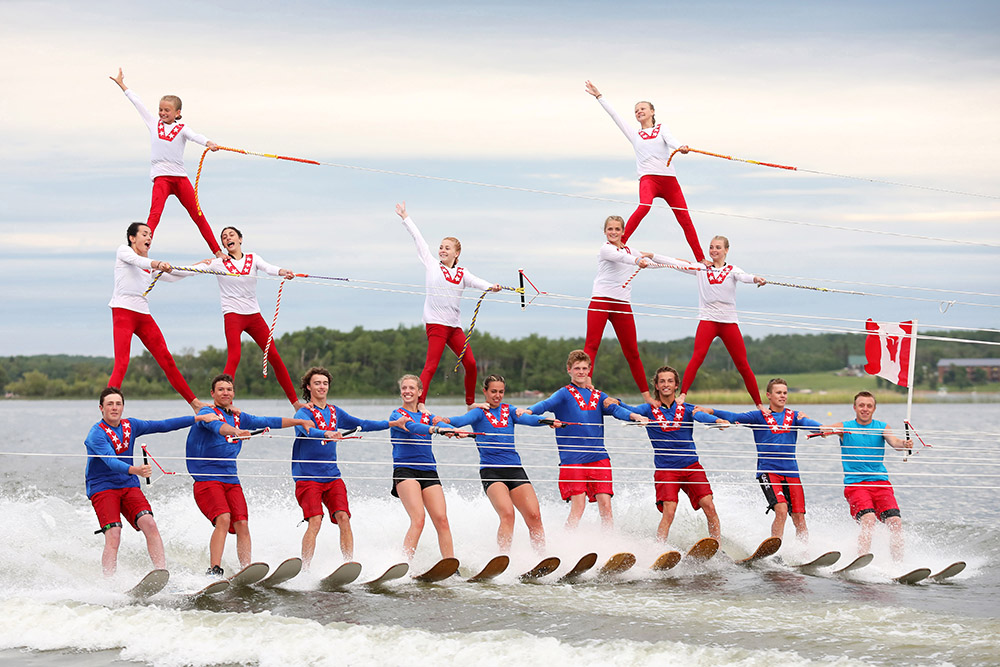
More than just losing out on their annual vacation, Cowan and her siblings also won’t be able to participate in the Club de Skinautiques.
The bi-national club has members from both sides of the border and typically put on several water skiing performances on the American side of the lake every year. COVID-19 has made the chances of there being a performance this year slim, and if one does happen it will likely only be done by members from the United States.
Cowan also won’t be able to visit with some of the friends she has made during the seven years she has been with the club.
The situation is a little different for Curt Carels’ family, who have had a cabin on the American side of the lake for 12 years. While Curt is Canadian, his wife is American and she and their daughter have dual citizenship. They’re allowed to go into the United States, but it’s murkier for Curt.
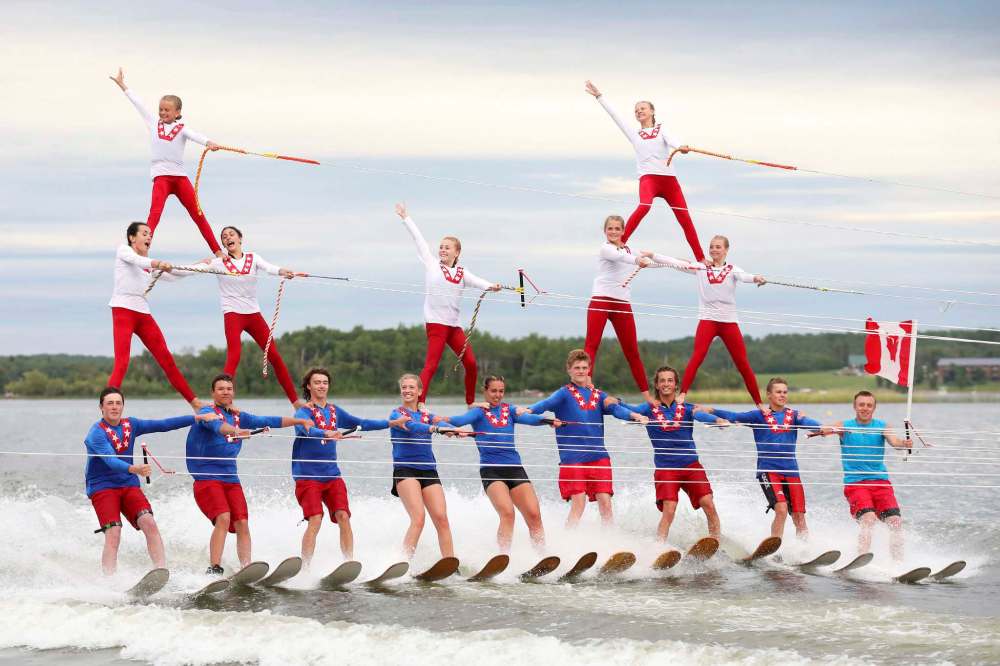
At some point this summer, the family is planning to visit the cabin. Carels’ wife and daughter, who is also in the ski club, will be able to get through but he is waiting to see if he’ll be able to join them.
Susan Tratebas, an administrative assistant at Lake Metigoshe State Park in North Dakota, told the Sun that the absence of visiting Canadians has been noticeable. She said the park typically opens for business on the Victoria Day long weekend and it was “pretty quiet” this year.
Also contributing to the emptiness was the reduced capacity at the park due to COVID-19.
“The Americans, they’re coming because they have nowhere else to go, but definitely we’ve missed our Canadian friends,” Tratebas said.
» cslark@brandonsun.com
» Twitter: @ColinSlark