
Canada, U.S. confirm plan to extend border restrictions by another 30 days
Advertisement
Read this article for free:
or
Already have an account? Log in here »
We need your support!
Local journalism needs your support!
As we navigate through unprecedented times, our journalists are working harder than ever to bring you the latest local updates to keep you safe and informed.
Now, more than ever, we need your support.
Starting at $15.99 plus taxes every four weeks you can access your Brandon Sun online and full access to all content as it appears on our website.
Subscribe Nowor call circulation directly at (204) 727-0527.
Your pledge helps to ensure we provide the news that matters most to your community!
To continue reading, please subscribe:
Add Brandon Sun access to your Free Press subscription for only an additional
$1 for the first 4 weeks*
*Your next subscription payment will increase by $1.00 and you will be charged $20.00 plus GST for four weeks. After four weeks, your payment will increase to $24.00 plus GST every four weeks.
Read unlimited articles for free today:
or
Already have an account? Log in here »
Hey there, time traveller!
This article was published 16/06/2020 (2123 days ago), so information in it may no longer be current.
OTTAWA – Prime Minister Justin Trudeau says Canada and the United States will continue to limit non-essential travel between the two countries until at least July 21.
Despite mounting pressure from business interests and border communities, however, Trudeau is offering no clues about how the border restrictions will be eased when the time finally comes.
The 30-day restrictions were first imposed in March in the face of the threat of the COVID-19 pandemic, and have now been extended three times.
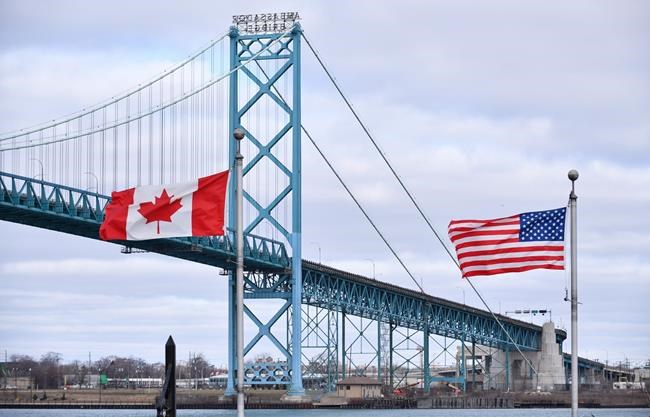
While the measures prohibit discretionary travel like vacations and shopping trips, essential workers, trade shipments and temporary foreign workers are still allowed to cross the border.
Communities near the Canada-U.S. border that depend on a steady flow of traffic and the ability to move between the two countries have been growing impatient as provinces and states alike continue to gradually restart their economies.
In the U.S., however, fears of a second wave of COVID-19 have been escalating in recent days as newly reopened states begin to see increases in their active caseloads and hospitalization rates.
This report by The Canadian Press was first published June 16, 2020.
Related Articles
National parks to open campgrounds next week
Advertisement Advertise With Us