
Conservation site to double in size
Advertisement
Read this article for free:
or
Already have an account? Log in here »
We need your support!
Local journalism needs your support!
As we navigate through unprecedented times, our journalists are working harder than ever to bring you the latest local updates to keep you safe and informed.
Now, more than ever, we need your support.
Starting at $15.99 plus taxes every four weeks you can access your Brandon Sun online and full access to all content as it appears on our website.
Subscribe Nowor call circulation directly at (204) 727-0527.
Your pledge helps to ensure we provide the news that matters most to your community!
To continue reading, please subscribe:
Add Brandon Sun access to your Free Press subscription for only an additional
$1 for the first 4 weeks*
- Enjoy unlimited reading on brandonsun.com
- Read the Brandon Sun E-Edition, our digital replica newspaper
*Your next Free Press subscription payment will increase by $1.00 and you will be charged $20.95 plus GST for four weeks. After four weeks, your payment will increase to $24.95 plus GST every four weeks.
Read unlimited articles for free today:
or
Already have an account? Log in here »
Hey there, time traveller!
This article was published 21/12/2020 (2095 days ago), so information in it may no longer be current.
The Nature Conservancy of Canada is close to achieving something big.
A land deal they’re on the verge of closing would help them secure a 114.6-hectare parcel of land.
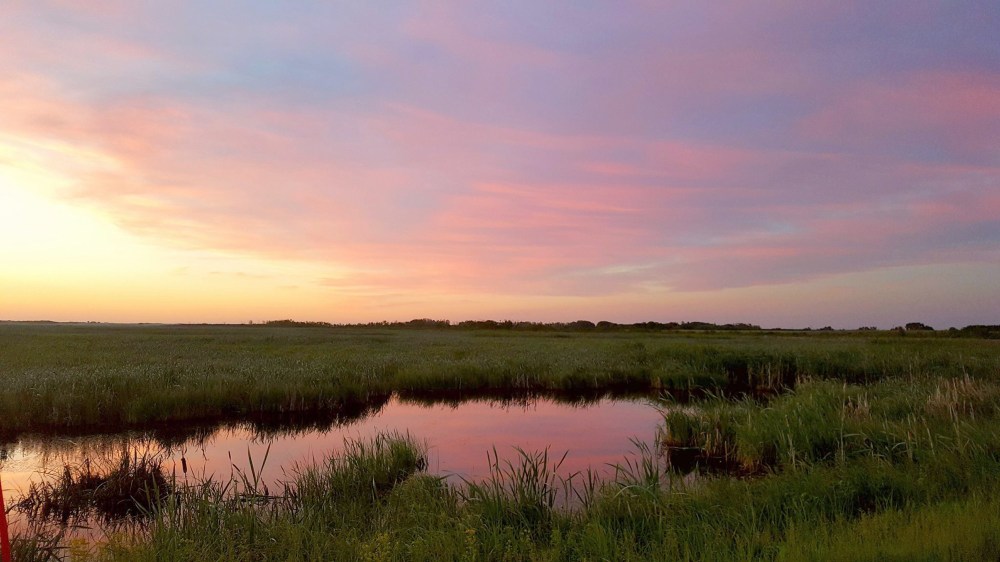
Located south of the Town of Douglas on the west side of Provincial Highway 340, the parcel of land, known as Douglas Marsh 4, would more than double their existing conservation site in the area.
They’re currently at more than half of their $72,000 fundraising goal, which is matched through grants, and they hope to cap off the effort soon to ensure it moves forward.
“By the end of the year would be awesome,” natural area manager Josh Dillabough said.
Once secured, they’ll be able to better protect the land for future generations.
“The landowner right now is doing a really good job of that,” Dillabough clarified. “Once it comes into our portfolio, then we have detailed baseline inventories that go into everything so we can monitor what’s out there, how it changes over time, and we can help abate things like species who aren’t supposed to be there — invasive species — and we wouldn’t allow any potential development out there.”
The land is unique and worthy of protection for a “multitude” of reasons, he said.
Its wetlands support one of the largest concentrations of breeding yellow rail birds in the Prairies, and the Douglas Marsh area as a whole is designated an Important Bird Area. As of 1995, the area supported more than 10 per cent of the species’ global population.
Further, its 11.9 hectares of native grassland constitute part of one of the most endangered ecosystems in the world, which buffers water and sequesters and stores carbon.
“It’s a huge recharge basin for the Assiniboine Delta Aquifer,” Dillabough said, adding that it holds and filters water, which both creates a cleaner Assiniboine River and an area less susceptible to flooding.
Having visited the property a number of times in the past, Dillabough became audibly excited when talking about it over the phone recently with the Sun.
“The best way for me to describe it, it is a low-lying flow-through marsh with upland parcels kind of dotted throughout the middle of it,” he said. “It’s really neat, in that it’s an old oxbow of the Assiniboine River, and on the north side you can see the historic Assiniboine valley wall.”
The yellow rails are of particular interest, he said, describing them as “reclusive, neat little birds.”
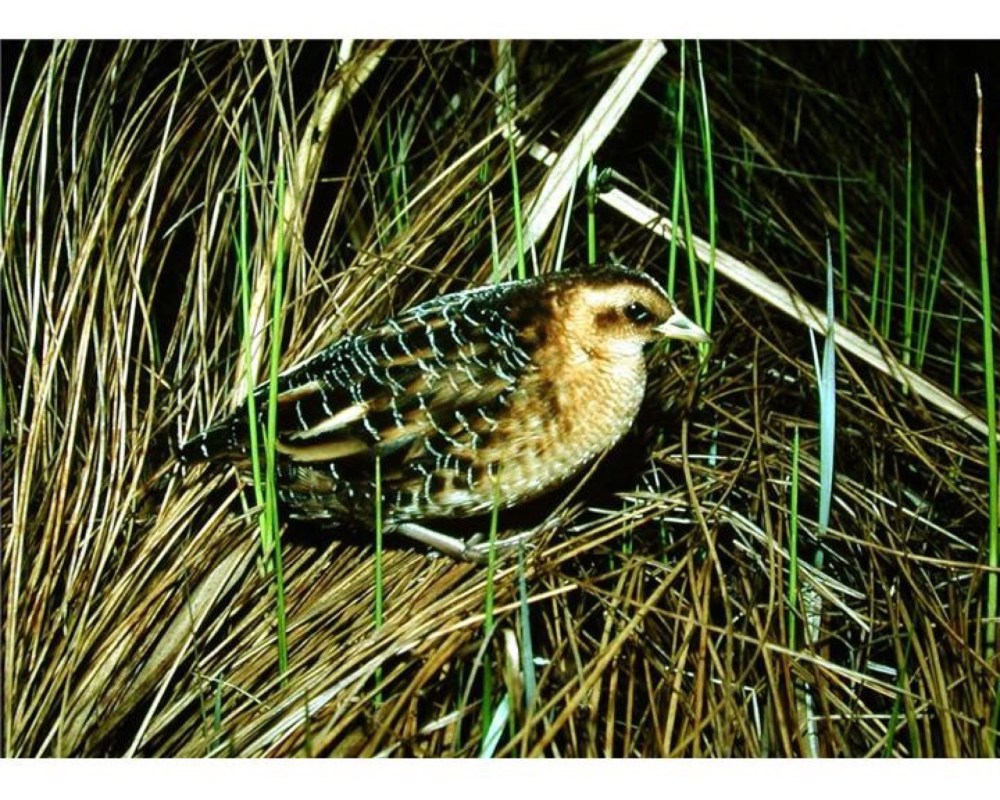
They almost practise morse code while communicating with one another, he said, adding that people can entertain themselves by speaking with the birds by banging two rocks together.
In addition to preserving the land for future generations, the Nature Conservancy of Canada plan on opening up an interpretive site in partnership with the Central Assiniboine Watershed District.
“It’s going to be an area that I would say is roughly three acres in size with a high elevation point for people to view the Douglas Marsh and also be able to park there,” he said, adding that it will tie into the greater Douglas Marsh effort.
In addition to signage, they hope to include a picnic area and short walking trail for people to have their lunch and soak up the sights, he said. There also exists the opportunity for education outreach through the local schools to visit the site.
Donations for the project are being accepted through the Nature Conservancy of Canada website, natureconservancy.ca. Click “Manitoba” at the bottom of the page, followed by “Featured Projects,” “Douglas Marsh 4” and “Donate now.”
» tclarke@brandonsun.com
» Twitter: @TylerClarkeMB