
COVID survivor taking baby steps to recover
Advertisement
Read this article for free:
or
Already have an account? Log in here »
We need your support!
Local journalism needs your support!
As we navigate through unprecedented times, our journalists are working harder than ever to bring you the latest local updates to keep you safe and informed.
Now, more than ever, we need your support.
Starting at $15.99 plus taxes every four weeks you can access your Brandon Sun online and full access to all content as it appears on our website.
Subscribe Nowor call circulation directly at (204) 727-0527.
Your pledge helps to ensure we provide the news that matters most to your community!
To continue reading, please subscribe:
Add Brandon Sun access to your Free Press subscription for only an additional
$1 for the first 4 weeks*
*Your next subscription payment will increase by $1.00 and you will be charged $20.00 plus GST for four weeks. After four weeks, your payment will increase to $24.00 plus GST every four weeks.
Read unlimited articles for free today:
or
Already have an account? Log in here »
Hey there, time traveller!
This article was published 12/06/2021 (1758 days ago), so information in it may no longer be current.
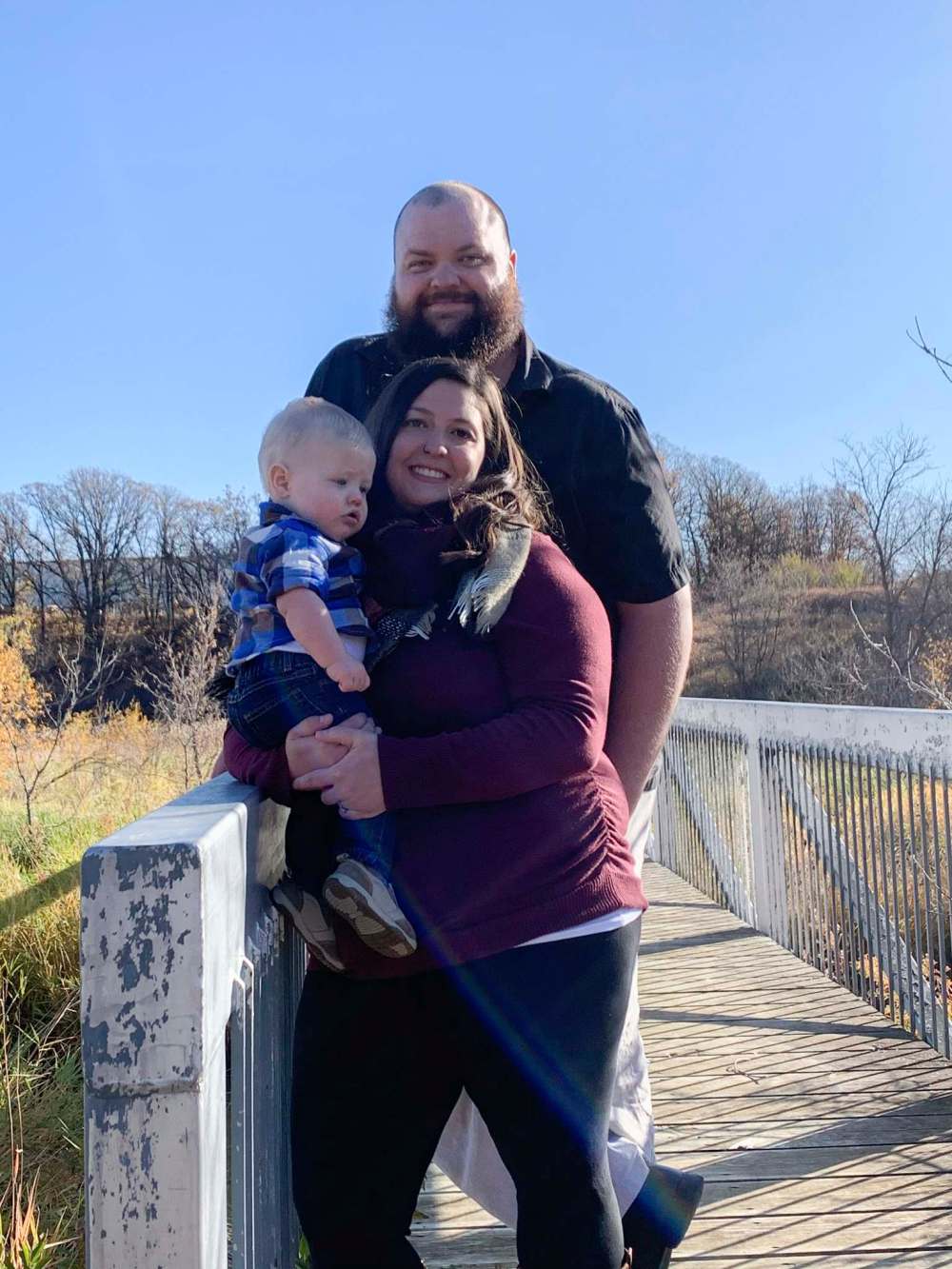
Kris Isford is a mountain of a man.
The Treherne resident’s Facebook photos show him smiling with his family and two Rottweilers, all dwarfed by his size.
At six foot seven and just over 440 pounds, 35-year-old Isford could be a little imposing if he chose.
But, on April 23, Isford’s world turned upside down when he was exposed to the COVID virus at work.
He was just a couple of days shy of receiving his vaccine.
“I started my shift out of town,” he told The Sun in a recent telephone interview. “I was provided with a ride with a contractor we use on a regular basis. We spent about a half-hour in the vehicle, with myself, my coworker and the contractor. We drove to the site, did what we needed to do, and started the trek back to Winnipeg.”
Everyone was wearing masks.
Arriving in Winnipeg, he made the hour and a half drive home to the tiny bubble he shared with his wife and infant son.
Four days later, Isford’s supervisor called Isford to tell him the contracted driver had tested positive for COVID-19. He had just picked his baby up from the babysitter’s.
“I brought my son to my wife, did a quick Google search and found a test facility in Portage la Prairie was open that evening. I had enough time to get there, and got tested immediately.”
When he got home from testing, his wife had packed a bag of his things and left them on the front step as he headed over to the house he was renovating.
By Wednesday evening, he started feeling sick. He thought it was his allergies, but checked his oxygen levels and blood pressure to be on the safe side.
“It was progressively getting worse,” he said.
By Friday morning, he received his test results.
It was positive. That evening, he called the emergency room at the Tiger Hills Health Centre.
“I told them what was going on,” he said. His vitals were slipping.
“I talked to the doctor. She talked to the specialist in Brandon. They said stay at home for the night. If your symptoms get worse, come in right away.”
The doctor called Isford the next morning. He was worse. With little sleep, he was told to come in.
Almost three hours later, the decision to transfer Isford to the Brandon Regional Health Centre was made.
“They wouldn’t let us out of the ambulance until we had an escort to the COVID ward,” he said.
“I appreciate what they did. They knew I was COVID positive. They knew I was a risk, and they still stepped up to the plate to help me.”
Inside, Isford struggled to breathe.
“I’ve always been an independent person. The bathroom was 15 feet away. I remember walking to the toilet and sitting down and gasping for air. Even with oxygen being pushed into my lungs (artificially) I just couldn’t keep up.”
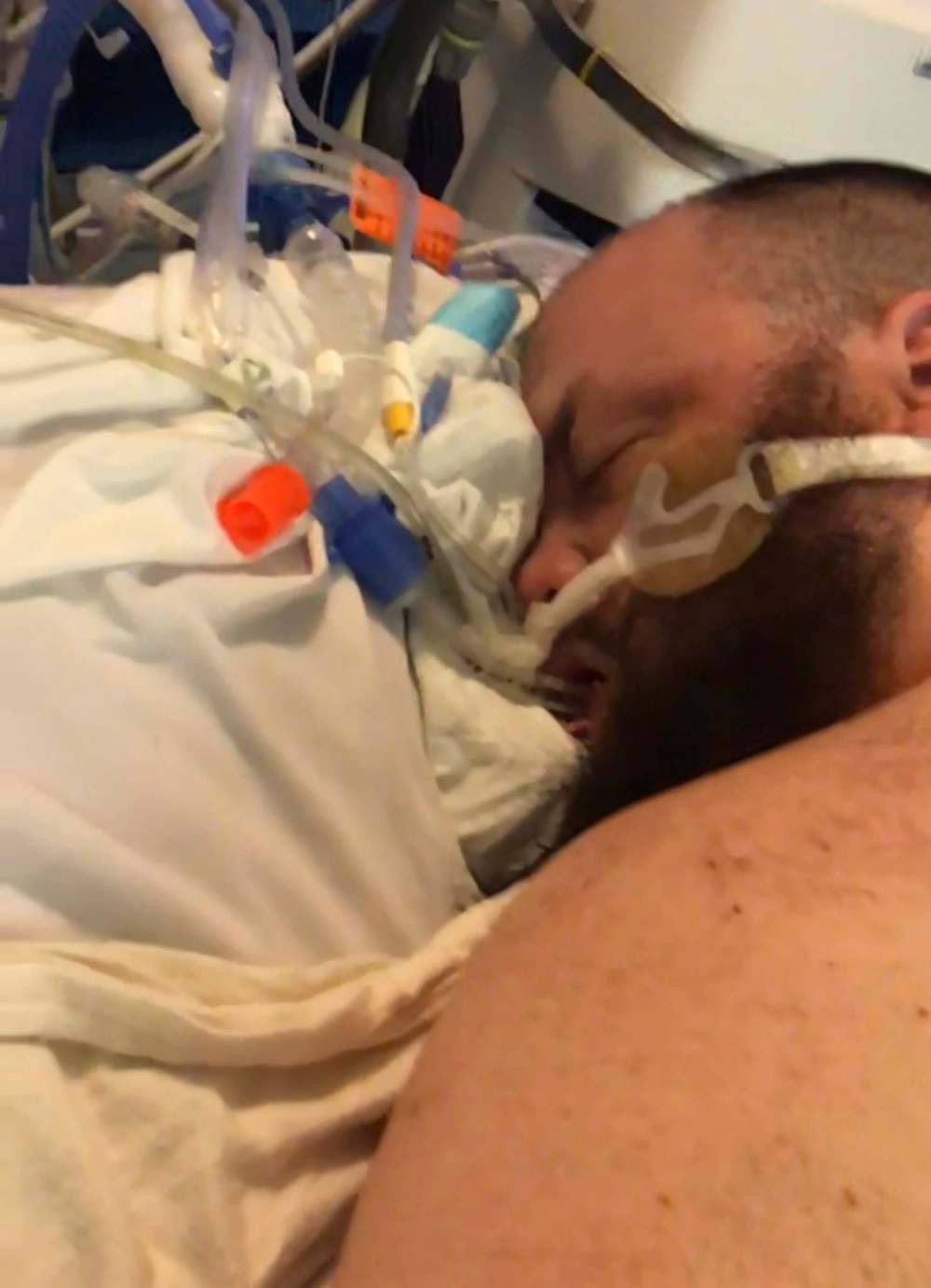
Three days after he arrived in Brandon, on May 4, Isford was placed in a medically induced coma and intubated, 11 days after his exposure.
He vaguely remembers calling his wife to tell her the news. He was scared.
“I ended up recording a short video for her. I said, ‘I love you. Hopefully, I’ll see you on the other side if I make it,’” he told her.
She missed the call as she and their baby were tested a second time for COVID-19, after a failed first attempt due to a problem with the testing process.
The tests came back positive.
While his family weathered the virus and stayed in isolation, they received an outpouring of support from both their families and the community.
While Isford lay in a coma, he struggled to breathe on his back because of his size.
The decision was made to place him on his stomach to allow him to breathe easier.
It took a team of nine people to turn him, he explained.
“Not remembering those two weeks is probably a good thing,” he said. “It would probably be very traumatic to be alert through that and deal with it.”
His wife experienced her husband’s life-threatening illness first hand, though.
“She went through hell. She’s witnessing it all. It’s all registering with her and I have no memory of it.”
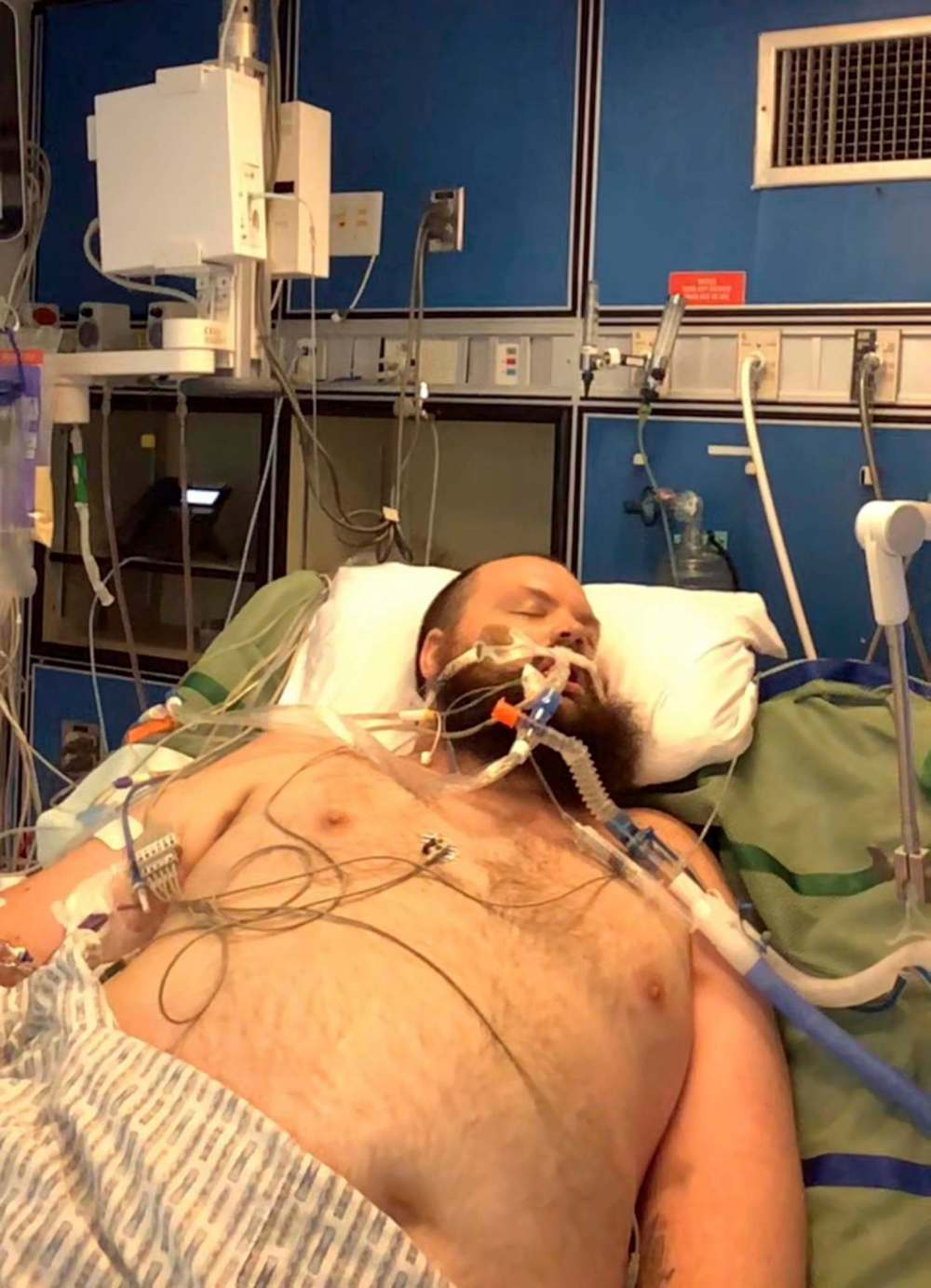
A donated iPad from the Kinsmen Club allowed the nurses to Facetime with Isford’s wife while he was lying in a coma.
“The nurses were kind enough to bring it into my room. They showed my wife, ‘See, he’s still alive. This is how things are going.’ My wife went through that.”
After two weeks, Isford surfaced from his coma. His strength was gone. His muscle mass was almost completely atrophied.
“I didn’t have the strength to hold my phone,” he recalled.
He lost 65 pounds.
Then came the rehabilitation. He had to learn how to walk again, feed and dress himself and use the bathroom independently before he was released.
On May 29, a month after he was admitted to hospital, Isford came home. Today, he uses a walker to get around. He wears Lifeline around his neck if he falls. He’s too weak to care for his son when his wife goes to work.
He can’t go back to his job yet.
He changed his son’s diaper for the first time in more than a month, which was a huge accomplishment. Recovery is in baby steps.
“I feel like I’m contributing more and being able to help. Help with meals. Pull a chair over to the oven and prep whatever I can. I can’t stand long enough to chop vegetables.”
Isford will receive the vaccine once he’s strong enough, but evolving variants worry him.
“We’ve got this terrible virus working through our community,” he said. “The vaccination might prevent you from going through what I’ve gone through. It’s been hell for my family. Torture for my body. (That) it’s just like the flu is a lie.”
» kkielley@brandonsun.com