
Sisters in Spirit puts spotlight on MMIWG crisis
Advertisement
Read this article for free:
or
Already have an account? Log in here »
We need your support!
Local journalism needs your support!
As we navigate through unprecedented times, our journalists are working harder than ever to bring you the latest local updates to keep you safe and informed.
Now, more than ever, we need your support.
Starting at $15.99 plus taxes every four weeks you can access your Brandon Sun online and full access to all content as it appears on our website.
Subscribe Nowor call circulation directly at (204) 727-0527.
Your pledge helps to ensure we provide the news that matters most to your community!
To continue reading, please subscribe:
Add Brandon Sun access to your Free Press subscription for only an additional
$1 for the first 4 weeks*
*Your next subscription payment will increase by $1.00 and you will be charged $20.00 plus GST for four weeks. After four weeks, your payment will increase to $24.00 plus GST every four weeks.
Read unlimited articles for free today:
or
Already have an account? Log in here »
Hey there, time traveller!
This article was published 05/10/2021 (1641 days ago), so information in it may no longer be current.
Close to 40 people marched through the streets of Brandon Monday afternoon to honour missing and murdered Indigenous women and girls as part of the Sisters in Spirit walk.
Grandmother Debbie Huntinghawk said it remains essential for Canadians to address the missing and murdered Indigenous women and girls (MMIWG) crisis in the country, as little has changed since the document “Reclaiming Power and Place: The Final Report of the National Inquiry into Missing and Murdered Indigenous Women and Girls” was released more than two years ago.
“The reason I do these [walks] is because of my kids. I don’t want them to be missing or murdered,” Huntinghawk said.
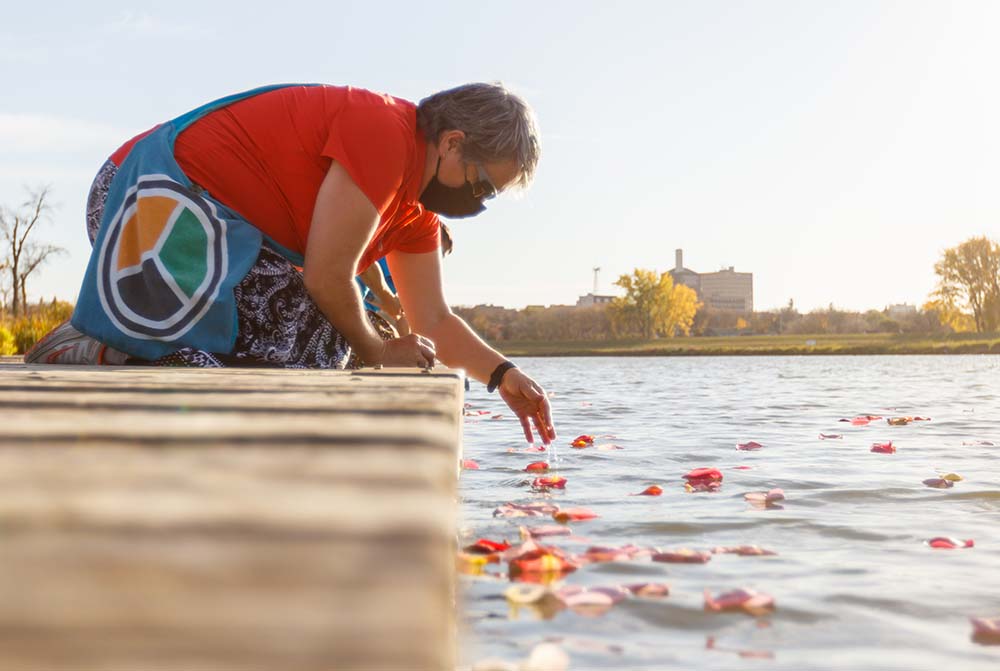
The purpose of the Sisters in Spirit walk is to draw public attention and education to the pervasive problem of violence against Indigenous women across Canada.
There are believed to be between 2,500 and 4,000 missing and murdered Indigenous women and girls across the country.
However, “Reclaiming Power and Place” says it is unlikely the true number can ever be quantified.
The MMIWG crisis should lie close to Brandonites’ hearts, Huntinghawk said, because those affected are community members who have lived through the loss of a loved one. It can be shocking learning about the experience of those affected by the crisis, but it is a discussion that needs to take place in Canada.
MMIWG can be a challenging conversation to have, but the community needs to work together to ensure the most vulnerable in Westman are not left behind, she said.
“We have to talk about [it] and we have to do the walk. If we don’t, no one knows about it,” Huntinghawk said.
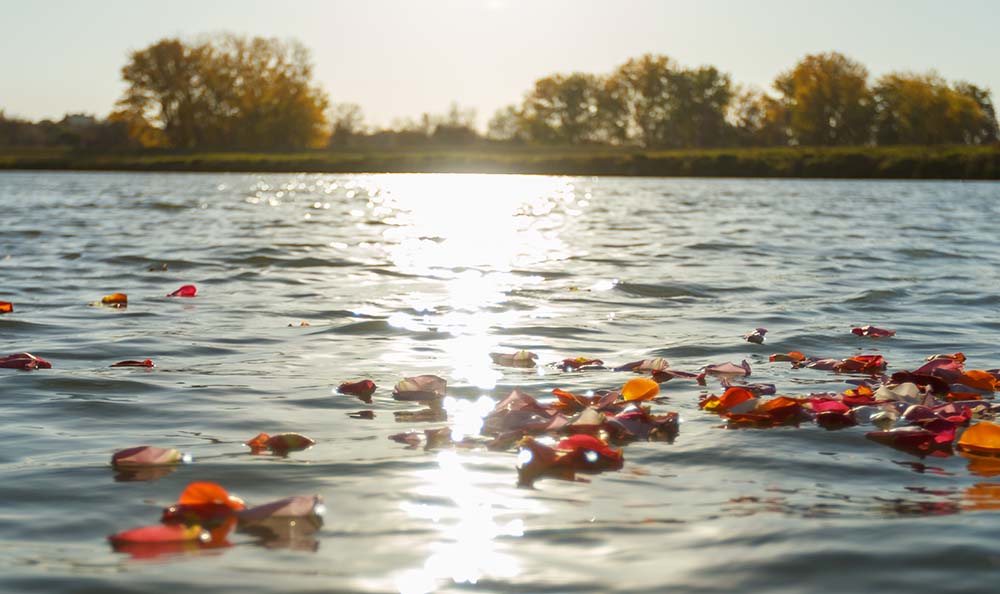
In 2020, The Canadian Press reported the Native Women’s Association of Canada conducted a series of nationwide, grassroots consultations with local member offices and with Indigenous women to determine how COVID-19 has been affecting First Nations, Inuit and Métis women in Canada.
A survey of more than 250 Indigenous women found one in five reporting they were a victim of physical or psychological violence in the past three months.
Preliminary results of the survey and two additional consultations suggest more of these women are concerned about domestic violence during the global pandemic than they are about the COVID-19 virus itself.
Huntinghawk stressed the need for all Canadians and all levels of government to address the crisis and push for active change in the country. She hopes conversations about MMIWG inspire Canadians to remain engaged and push for lasting and systemic changes that can help bring the crisis to an end.
“It happens every night in our community. But it’s so hushed,” Huntinghawk lamented. “We have to do something.”
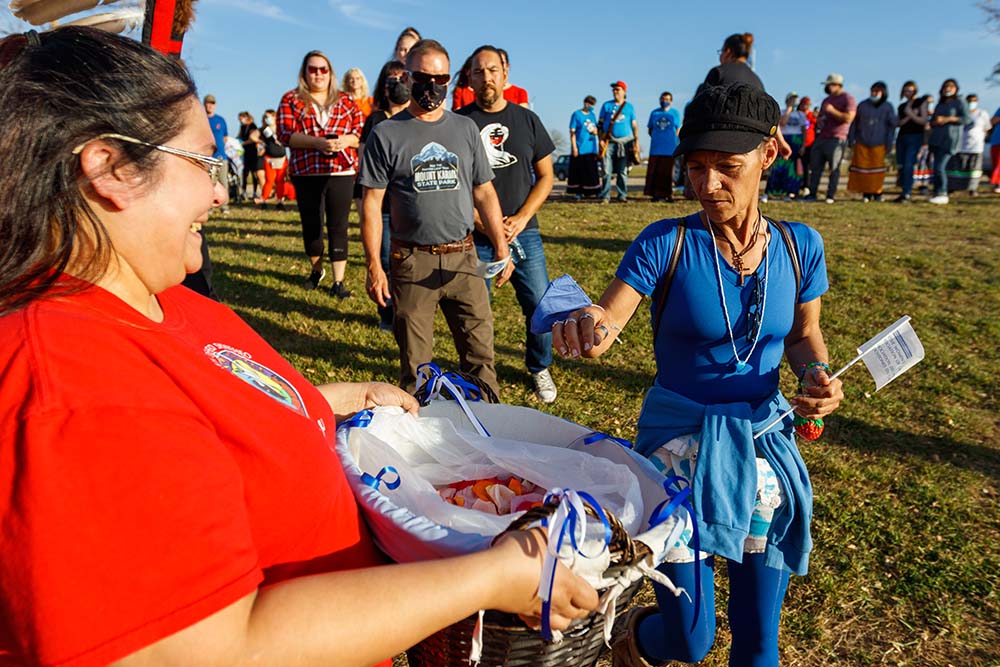
» ckemp@brandonsun.com, with files from The Canadian Press
» Twitter: @The_ChelseaKemp