
Art exhibit gives voice to youth’s climate fears
Advertisement
Read this article for free:
or
Already have an account? Log in here »
We need your support!
Local journalism needs your support!
As we navigate through unprecedented times, our journalists are working harder than ever to bring you the latest local updates to keep you safe and informed.
Now, more than ever, we need your support.
Starting at $15.99 plus taxes every four weeks you can access your Brandon Sun online and full access to all content as it appears on our website.
Subscribe Nowor call circulation directly at (204) 727-0527.
Your pledge helps to ensure we provide the news that matters most to your community!
To continue reading, please subscribe:
Add Brandon Sun access to your Free Press subscription for only an additional
$1 for the first 4 weeks*
*Your next subscription payment will increase by $1.00 and you will be charged $20.00 plus GST for four weeks. After four weeks, your payment will increase to $24.00 plus GST every four weeks.
Read unlimited articles for free today:
or
Already have an account? Log in here »
Hey there, time traveller!
This article was published 17/01/2022 (1527 days ago), so information in it may no longer be current.
A new art exhibition coming to Brandon is demonstrating that education determines the future and humans and the future of humans and nature are interlinked.
The Art Gallery of Southwestern Manitoba is presenting “Before I Go To Bed Tonight,” featuring works from young artists from around Brandon and area focusing on environmental issues and climate change.
This is the culmination of a semester-long project led by Alysha Farrell, an associate education professor at Brandon University. Lucie Lederhendler, curator for the gallery, explained the idea was young people who are facing major changes to the environment and climate are being taught by people who haven’t had to deal with it and are not living the bulk of their lives in a climate crisis.
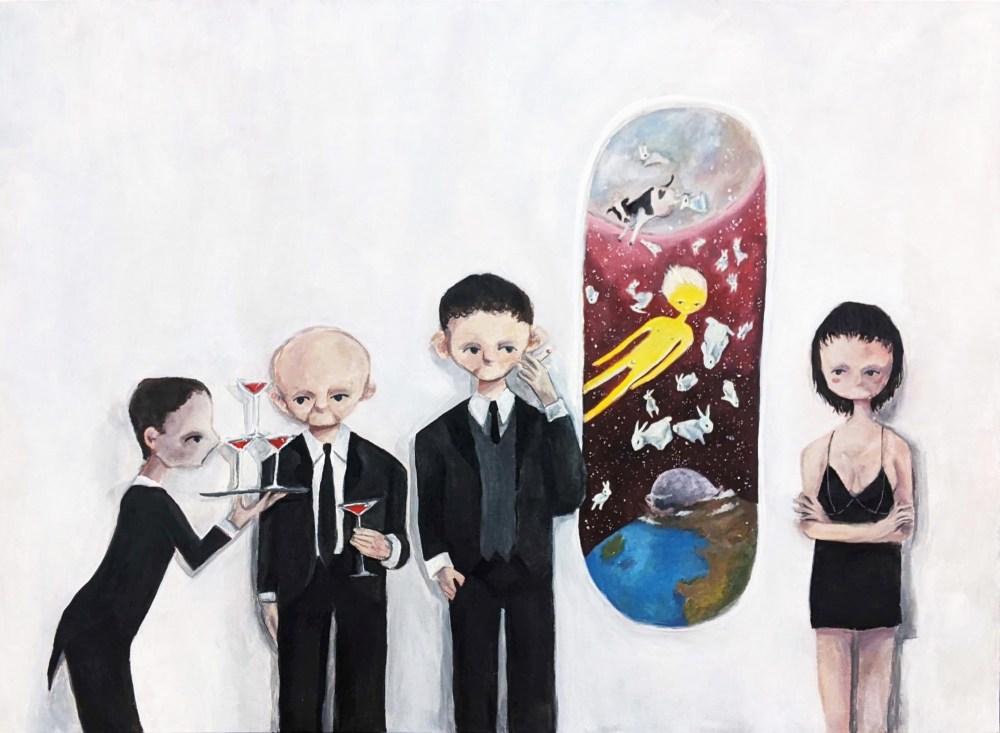
The title of the exhibition comes from a quote from one of the participants.
“They said ‘I know that this is a problem, but do I really want to be thinking about it before I go to bed tonight?’” Lederhendler said. “This comes from a need to put it aside, to compartmentalize it, in order to just continue on with your life.”
This exemplifies the exhibition’s message that the future is already set.
“It’s grounded in the idea that education designs the future and what does that future look like? They are saying it’s a difficult future,” said Lederhendler.
Professional artists who work in nature were introduced to young people to give them skills and tools to express their anxieties and ideas through artistic expression. Young artists were encouraged to work in any medium they saw fit. There will be an interactive component guided by Farrell that will serve as a type of time capsule. Audience members will be asked to leave a message to the class of 2054.
The opening reception will be held on Jan. 27 at 7 p.m. at the gallery. The public will have the opportunity to engage directly with the participating youth artists when they gather for a roundtable discussion on Feb. 5 at 1 p.m.
Farrell stated in a news release that the issue of climate change is so wide-reaching that it can feel impossible to talk about. By communicating through art, young people can express not just how they understand climate change but how they feel about it as well.
“I hope the exhibition provokes conversation in the wider community about what we can do together to ensure a livable planet for generations to come,” Farrell said.
The exhibition will run alongside another exhibition, “Opimihaw,” which features work by Mary Anne Barkhouse that addresses environmental futures from an Indigenous Canadian perspective.
Lederhendler said Barkhouse is someone she has admired for a long time, and the timing for both exhibitions is deliberate.
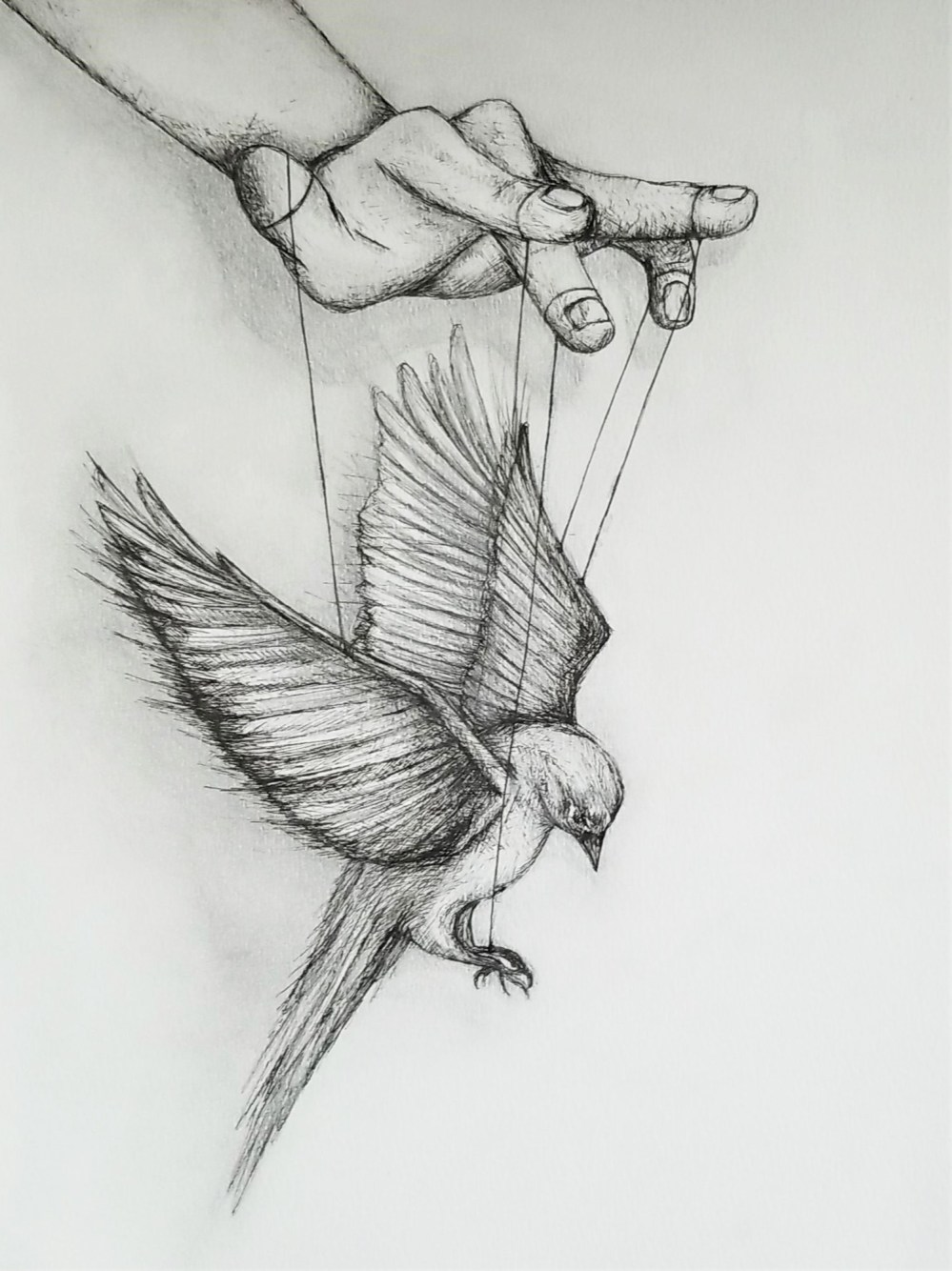
This show is a pan-Indigenous approach to this important Indigenous site and consists of tapestry, sculpture, prints and installations that aim to recount the story of Wanuskewin while touching on themes of restoration, resilience, reconciliation and integrity, in both the physical and spiritual sense of human and non-human life.
Barkhouse, an Indigenous artist from the West Coast, was invited to Wanuskewin Heritage Park in Saskatoon in the summer of 2019. While there, she walked the trails of the Opimihaw Valley with archeologist Ernie Walker, spoke with the staff of Wanuskewin and allowed the deep history of the territory to inspire her.
“It’s kind of a tongue-in-cheek observation from her, and the joke is she’s behaving like this European scientist but was able to bring all her Indigenous knowledge in the natural world to it,” she said.
An event that happened recently in the park made Lederhendler think about how interconnected humans and nature really are. The government of Saskatchewan recently reintroduced bison to the area, and their dustbathing helped uncover petroglyphs on rocks that archaeologists had been seeking for around a decade.
Due to the current health and safety regulations, AGSM’s activities are subject to change. Visitors to the gallery may check on its Facebook, Instagram or Twitter accounts for the most up-to-date information.
» kmckinley@brandonsun.com
» Twitter: @karenleighmcki1