
Tories’ spending spree legal, but also sneaky
Advertisement
Read this article for free:
or
Already have an account? Log in here »
We need your support!
Local journalism needs your support!
As we navigate through unprecedented times, our journalists are working harder than ever to bring you the latest local updates to keep you safe and informed.
Now, more than ever, we need your support.
Starting at $15.99 plus taxes every four weeks you can access your Brandon Sun online and full access to all content as it appears on our website.
Subscribe Nowor call circulation directly at (204) 727-0527.
Your pledge helps to ensure we provide the news that matters most to your community!
To continue reading, please subscribe:
Add Brandon Sun access to your Free Press subscription for only an additional
$1 for the first 4 weeks*
- Enjoy unlimited reading on brandonsun.com
- Read the Brandon Sun E-Edition, our digital replica newspaper
*Your next Free Press subscription payment will increase by $1.00 and you will be charged $20.95 plus GST for four weeks. After four weeks, your payment will increase to $24.95 plus GST every four weeks.
Read unlimited articles for free today:
or
Already have an account? Log in here »
Hey there, time traveller!
This article was published 20/07/2023 (1186 days ago), so information in it may no longer be current.
“There’s the perception that the government has the upper hand — that it’s not the level playing field that everyone talks about — if they’ve got money to spend on advertising that flatters the government and if they’ve got public servants who can prepare ads.”
— Paul Thomas, University of Manitoba professor emeritus of political studies
In the leadup to the 2023 Manitoba general election this coming fall, the Progressive Conservative government of Heather Stefanson has clearly made an effort to open the provincial purse strings, offering new funding for projects in nearly every ministerial portfolio.
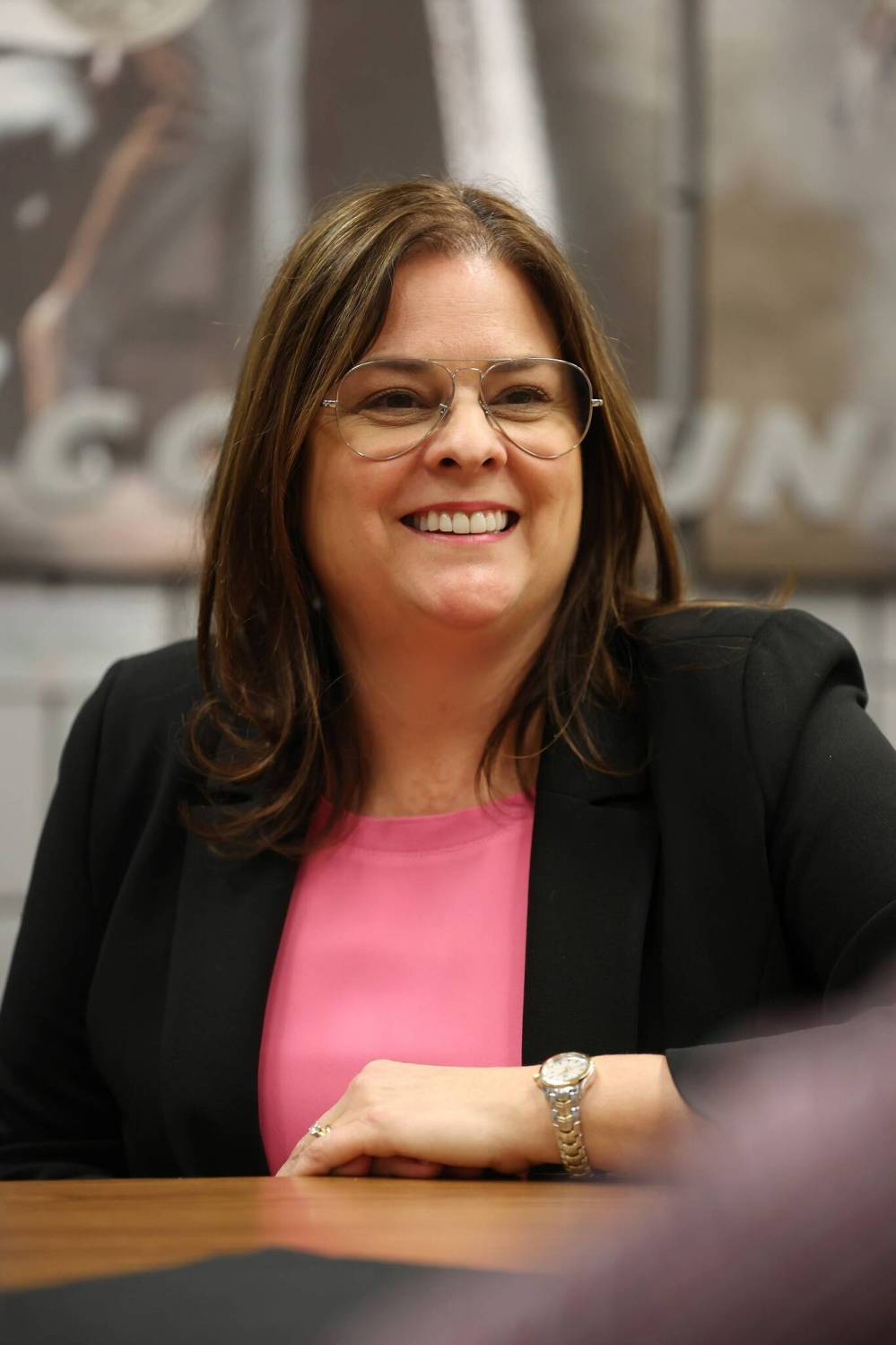
Manitoba Premier Heather Stefanson. (File)
From the $8-million investment in Winnipeg wastewater infrastructure projects, and the purchase of land for a new kindergarten to Grade 8 school in east Winnipeg, to the announced expenditure of $35.3 million to replace a bridge over the Assiniboine River in the RM of Victoria and another $40 million to rehabilitate the dam in Rivers, cash flow has been a big part of the government’s outreach.
Indeed, the flood of cash announcements has been breathtaking.
Given the fact that this is an election year, and the governing Tories have been trailing the challenging New Democrats in available opinion polls over the last few years, you’d be forgiven for shrugging your shoulders and thinking that this is merely party politics as usual.
But the sheer depth of government spending — not only on government programs and infrastructure, but also pre-election advertising — appears to be rising to another level.
As The Canadian Press reported in June, the Stefanson government budgeted $375,500 for the latest phase of advertising promoting its agreement with the federal government to offer $10-a-day child care.
This phase of the campaign has been running into July, following more than $500,000 in government advertising set aside for the previous two phases in winter and early spring.
There are ongoing advertising campaigns, utilizing digital ads on social media promoting the province’s freeze on pharmacare deductibles and property tax rebates.
As political analyst Paul Thomas said, the governing party has a spending advantage over opposition parties. And given some of the changes to provincial election laws in 2021, the PCs have an even larger advantage in the party toolkit in the months just prior to the election.
The Tories shortened the advertising blackout period for government advertising from 90 days to 60 days before a fixed election date. And unlike previous election years in which only Crown agencies were allowed to continue advertising campaigns during said blackouts, the laws now permit government departments to be exempt as well.
Critics have lampooned all this pre-election advertising as a cynical attempt at vote-buying. And the Tories have shot back by suggesting last month that the amount of money spent on government advertising this year has still been less than the amount spent by the NDP prior to their election loss in 2016.
From our standpoint, it doesn’t seem to matter whose in charge anymore, as the much-needed ethics of governance appear to be playing second fiddle to the guiding principle of “anything goes.”
Case in point — on July 17, the Stefanson government announced on the province’s news release website $13.7 million in funding to help cover rising policing costs “due to increased crime and inflation.”
In the official government media release, Justice Minister Kelvin Goertzen stated that funding for the public safety basket and the urban policing grant were being raised to help pay for municipal policing costs and support the efforts of law enforcement.
While the press release gave some detail about the $5.297-million increase to support Winnipeg’s budgeted policing costs, there were no other details about the spending announcement made to the public through official government channels.
Instead, news of those details was spread on the same day through PC Party email channels. In Brandon, for example, Brandon East Tory MLA Len Isleifson was quoted in a press release using the Manitoba PC Party letterhead announcing a $2.2-million increase to the Brandon Police Service’s funding, with no mention of the total $13.7-million announcement by the province that same day.
This is a sneaky manoeuvre that uses government funds for party election campaign use. While it may be perfectly legal, that doesn’t make it smell any better.