
Book Review: ‘Extremely Online’ shows how creators and influencers have shaped social media
Advertisement
Read this article for free:
or
Already have an account? Log in here »
We need your support!
Local journalism needs your support!
As we navigate through unprecedented times, our journalists are working harder than ever to bring you the latest local updates to keep you safe and informed.
Now, more than ever, we need your support.
Starting at $15.99 plus taxes every four weeks you can access your Brandon Sun online and full access to all content as it appears on our website.
Subscribe Nowor call circulation directly at (204) 727-0527.
Your pledge helps to ensure we provide the news that matters most to your community!
To continue reading, please subscribe:
Add Brandon Sun access to your Free Press subscription for only an additional
$1 for the first 4 weeks*
- Enjoy unlimited reading on brandonsun.com
- Read the Brandon Sun E-Edition, our digital replica newspaper
*Your next Free Press subscription payment will increase by $1.00 and you will be charged $20.95 plus GST for four weeks. After four weeks, your payment will increase to $24.95 plus GST every four weeks.
Read unlimited articles for free today:
or
Already have an account? Log in here »
Hey there, time traveller!
This article was published 02/10/2023 (950 days ago), so information in it may no longer be current.
There’s no shortage of books published in the past several years that have focused on the recent history of social media companies and the founders of the tech giants running them.
In “Extremely Online: The Untold Story of Fame, Influence, and Power on the Internet,” Taylor Lorenz makes a valuable and entertaining contribution to that collection by telling the story through the prism of the users, creators and influencers who have shaped social media and its impact on our culture.
Lorenz, technology columnist for The Washington Post, has written what she calls a social history of social media that profiles the motley collection of figures who have had arguably more influence on the landscape of the modern Internet than most Silicon Valley executives.
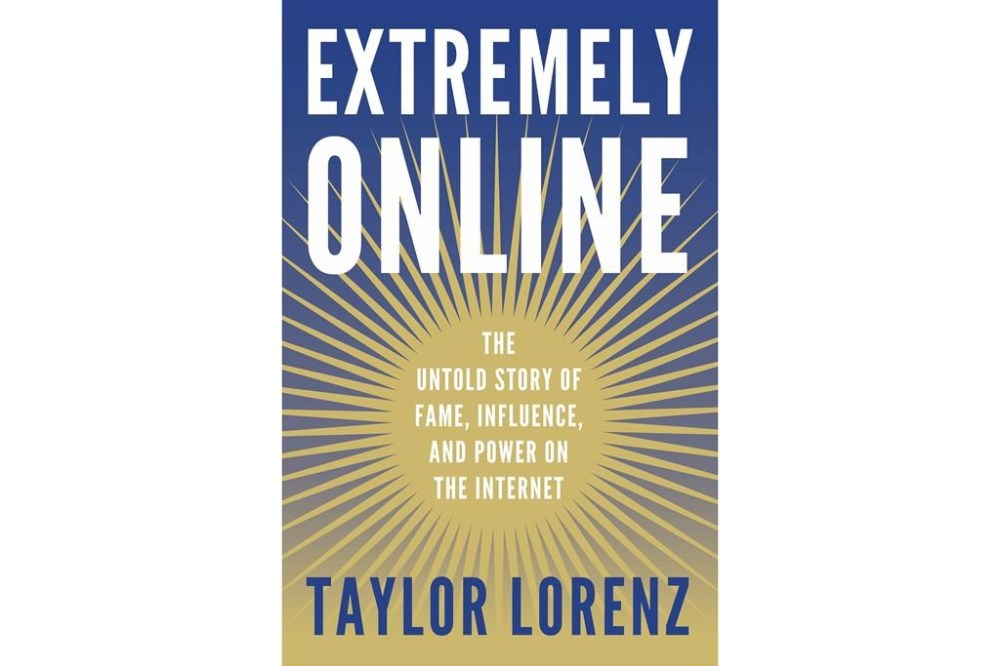
From mommy bloggers to TikTok celebrities, Lorenz focuses on the users who “revolutionized new approaches to work, entertainment, fame, ambition in the 21st century.”
As someone who has covered those new approaches over the years, Lorenz is well-positioned to chronicle that history. Lorenz tells the story of how tech companies struggled to adapt to users’ needs and demands over the past two decades.
The book is an enlightening history of the pioneers of influencers such as bloggers Heather Armstrong and Julia Allison, as well as the rise and fall of platforms such MySpace and Vine.
She also explores the dark side of social media’s rise, looking at how platforms have been weaponized from “Gamergate” to the rapid spread of misinformation during the COVID-19 pandemic. She lays bare the challenges created by the transformation of social media, noting that “tech founders may control source code, but users shape the product.”