
Ottawa launches methane reduction challenge
Advertisement
Read this article for free:
or
Already have an account? Log in here »
We need your support!
Local journalism needs your support!
As we navigate through unprecedented times, our journalists are working harder than ever to bring you the latest local updates to keep you safe and informed.
Now, more than ever, we need your support.
Starting at $15.99 plus taxes every four weeks you can access your Brandon Sun online and full access to all content as it appears on our website.
Subscribe Nowor call circulation directly at (204) 727-0527.
Your pledge helps to ensure we provide the news that matters most to your community!
To continue reading, please subscribe:
Add Brandon Sun access to your Free Press subscription for only an additional
$1 for the first 4 weeks*
- Enjoy unlimited reading on brandonsun.com
- Read the Brandon Sun E-Edition, our digital replica newspaper
*Your next Free Press subscription payment will increase by $1.00 and you will be charged $20.95 plus GST for four weeks. After four weeks, your payment will increase to $24.95 plus GST every four weeks.
Read unlimited articles for free today:
or
Already have an account? Log in here »
Hey there, time traveller!
This article was published 18/11/2023 (1096 days ago), so information in it may no longer be current.
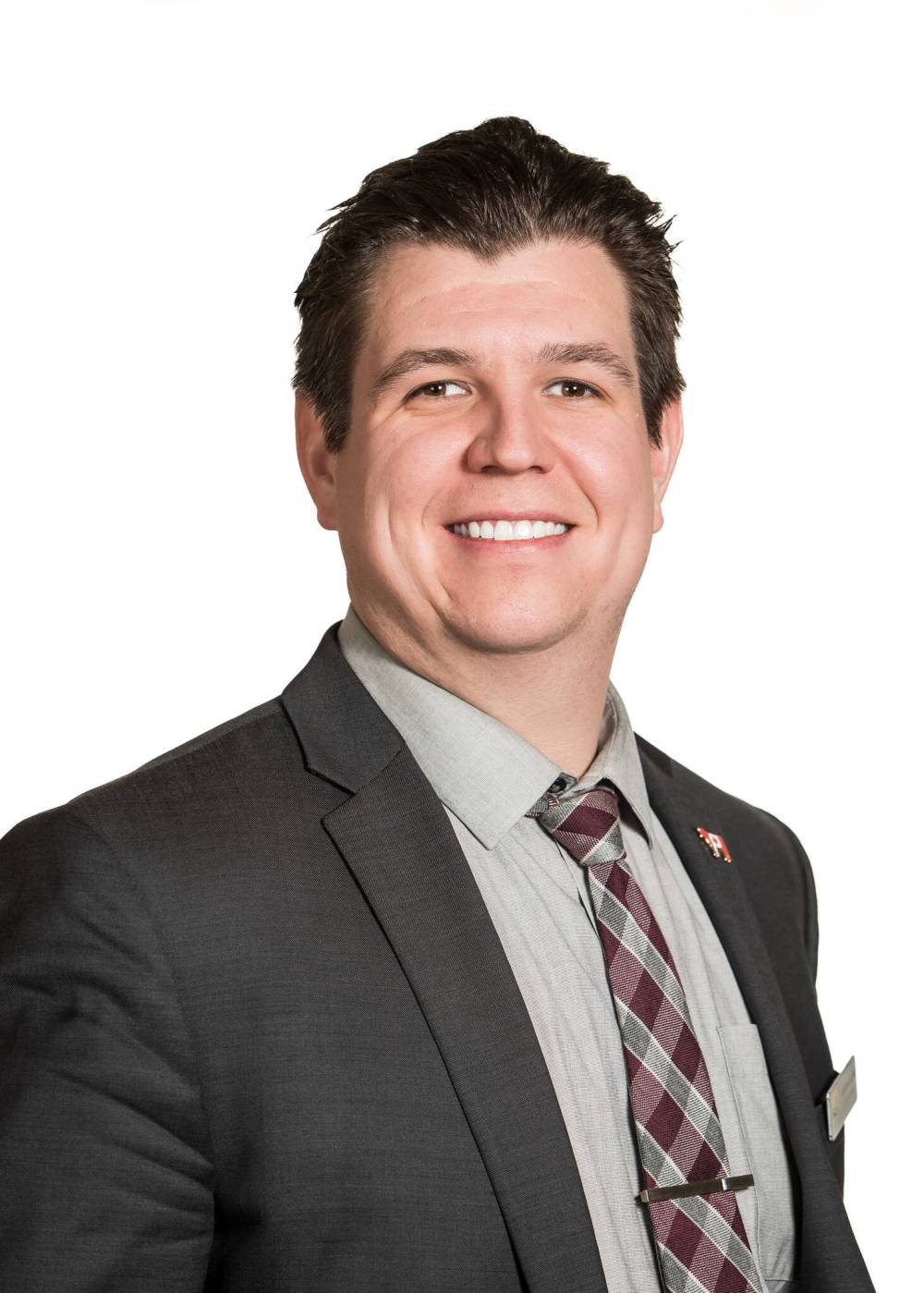
The federal government’s new methane reduction challenge is welcome news for beef producers in Westman, says Carson Callum, the general manager of Manitoba Beef Producers.
The Agricultural Methane Reduction Challenge, launched by Agriculture and Agri-Food Canada on Tuesday, not only incentivizes the hard work beef producers across the country are already doing to reduce methane emissions, but highlights it.
“This kind of reduction is something that the industry has been focused on for quite a while with our own ambitious and science-based goals, so it’s good to see that this challenge is put out there now,” Callum told the Sun.
Reducing methane emissions is a key part of Ottawa’s plan to tackle climate change and mitigate the impact on farmers, who are experiencing more challenges than ever, such as more frequent wildfires, severe storms and increased drought, a federal government press release said.
To help producers meet their goals, Francis Drouin, parliamentary secretary to Agriculture and Agri-Food Canada Minister Lawrence MacAulay, announced that up to $12 million would be awarded to innovators advancing low-cost and scalable practices, processes and technologies designed to reduce methane emissions produced by cattle.
Canadian beef producers are global leaders in environmental stewardship, and have half the world average of greenhouse gas emissions per pound of beef, said Nathan Phinney, president of the Canadian Cattle Association.
“The new Agricultural Methane Reduction Challenge is well aligned with our beef sector’s 2030 goals, and we look forward to continuing to work with government to find innovations to help further reduce beef cattle’s emissions intensity.”
While the beef industry gets a “bad rap” when it comes to its environmental footprint, the reality is different, Callum said. In 2021, agriculture was responsible for 31 per cent of Canada’s total methane emissions, the majority coming from beef and dairy cattle. However, Canadian herds are also responsible for preserving approximately 1.5 billion tonnes of carbon in Canadian soil and protecting more than 60 endangered species that live in the wild grasslands where they graze.
“Especially for beef raised in Canada, we’re part of the solution to the problem,” Calum said. “A lot of producers here in the country are doing important practices that conserve grassland habitats and maintain important biodiversity, all the while sequestering carbon and reducing our food waste and food loss.”
Callum hopes the federal government will take the lead from cattle producers when it comes to innovative ideas, including ones that are already being used, such as new grazing management strategies, various feed additives, and soil health initiatives.
“We’ve been constantly improving our industry,” Callum said, adding the challenge also highlights the need for consistent regulations in Canada to allow producers to meet emission-reduction goals while staying viable. “You can’t be green if you’re in the red,” he said.
Canada’s National Beef Strategy created by the Canadian Beef Advisors led to the development of ambitious goals for the beef industry, which includes a target of reducing the greenhouse gas emission intensity of cattle production in Canada by 33 per cent by 2030. The Dairy Farmers of Canada has set a goal to reach net-zero by 2050.
The new challenge issued by the federal government has been designed in collaboration with the sector to accelerate these goals, spur innovation, and reduce emissions, Agriculture and Agri-Food Canada says.
The challenge builds on the success of existing industry commitments on the environment like those Callum cited.
“Canadian farmers and ranchers are stewards of the most sustainable cattle in the world and are continually doing more to meet the global demand for our world-class products,” MacAulay said in a statement. “By partnering with the sector, we can move further and faster to reduce agricultural methane emissions.”
Drouin agreed with MacAulay, saying the cattle industry in Canada has been at the forefront of agricultural sustainability and has been setting global benchmarks for emission reduction.
“The new Agricultural Methane Reduction Challenge will drive further innovation in the sector to help fulfill a growing demand from consumers who are asking for Canadian sustainable beef and dairy industries,” he said.
Canada’s 2030 methane reduction goals are to reduce methane emissions as a key part of reaching the emissions reduction target of 40 to 45 per cent below 2005 levels by 2030 and net-zero emissions by 2050.
Anyone with innovative ideas on how to reduce methane emissions can apply to the challenge, and an independent and voluntary external review panel composed of subject matter experts such as producers, ranchers, representatives of the private sector, stakeholder groups and academia will assist in the assessment of applications.
A phased approach will be used to move innovators through the process of developing and deploying their solutions. At each stage of the challenge, the external review panel will determine which applicants move to the following stage and receive funding.
There are 20 prizes of up to $250,000 open to all eligible applicants participating in stage one, and up to 10 prizes of up to $500,000 open to all semi-finalists participating in stage two. At the last stage, two winners will be awarded a grand prize of up to $1 million each. All semi-finalists and finalists will also benefit from non-financial support, such as mentorship and training opportunities. Funds will be awarded to those advancing solutions in the cow-calf, dairy, and feedlot sectors.
Applications will be accepted until Feb. 7, 2024.
» mleybourne@brandonsun.com
» X: @miraleybourne