
Montreal billionaire sex case: Accuser loses bid to freeze Robert Miller’s assets
Advertisement
Read this article for free:
or
Already have an account? Log in here »
We need your support!
Local journalism needs your support!
As we navigate through unprecedented times, our journalists are working harder than ever to bring you the latest local updates to keep you safe and informed.
Now, more than ever, we need your support.
Starting at $15.99 plus taxes every four weeks you can access your Brandon Sun online and full access to all content as it appears on our website.
Subscribe Nowor call circulation directly at (204) 727-0527.
Your pledge helps to ensure we provide the news that matters most to your community!
To continue reading, please subscribe:
Add Brandon Sun access to your Free Press subscription for only an additional
$1 for the first 4 weeks*
- Enjoy unlimited reading on brandonsun.com
- Read the Brandon Sun E-Edition, our digital replica newspaper
*Your next Free Press subscription payment will increase by $1.00 and you will be charged $20.95 plus GST for four weeks. After four weeks, your payment will increase to $24.95 plus GST every four weeks.
Read unlimited articles for free today:
or
Already have an account? Log in here »
Hey there, time traveller!
This article was published 27/11/2023 (1021 days ago), so information in it may no longer be current.
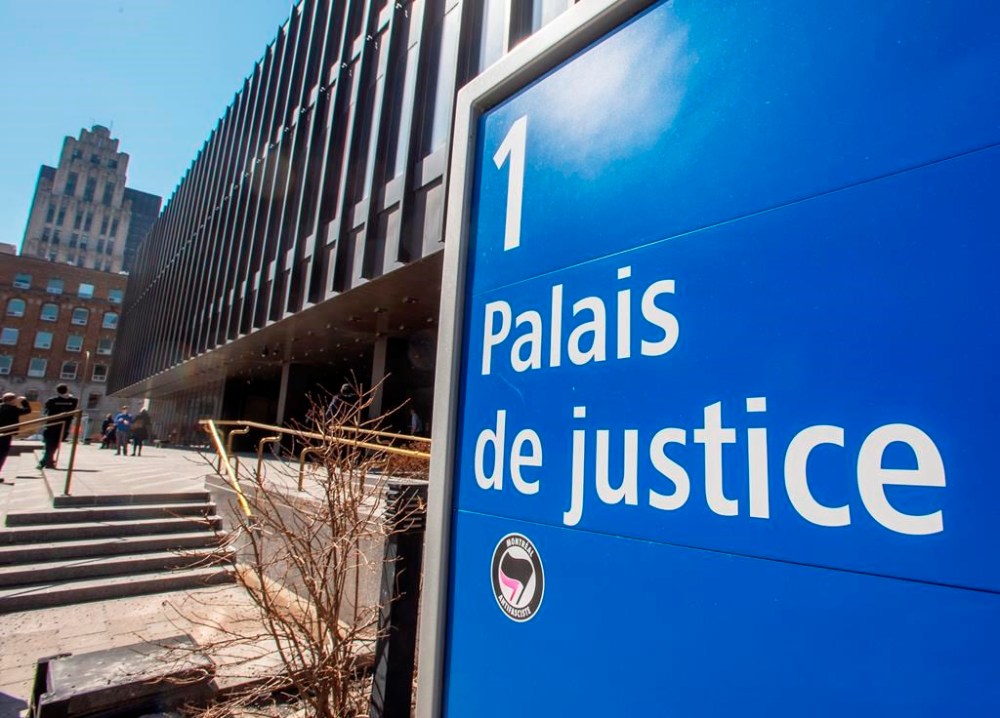
MONTREAL – A Quebec judge has denied a request to freeze the assets of a Montreal billionaire accused of paying underage girls for sex.
In a ruling released today, Superior Court Justice Eleni Yiannakis says the applicant failed to prove there is a real risk Robert Miller would disappear or hide his assets if he loses a court case brought against him.
Miller is facing a class-action lawsuit, which has not yet been authorized, for allegedly paying minors for sex between 1996 and 2006.
Until his resignation in February after the allegations against him surfaced in a media report, he was president and CEO of global electronics distributor Future Electronics; he remains owner, and the company is being sold to a Taiwanese firm for US$3.8 billion.
Lawyers for the applicant argued that Miller would try to hide his money, and they wanted the judge to stop the sale of the company and freeze his assets unless he paid $200 million to the court pending the outcome of the case.
Yiannakis says the applicant in the lawsuit — a woman who says she was 17 when she was first paid for sex with Miller — failed to show Miller was attempting to conceal or hide the eventual proceeds of the sale.
“There has been no demonstration … that there is a real risk of disappearance of the assets by the defendants,” the judge wrote.
Lawyer Jeff Orenstein has said that since the case was filed, his firm has heard from 50 women who allege they were victims of Miller’s sexual misconduct over a 30-year period beginning in the 1970s, including some who were as young as 11 at the time.
Forty-one complainants have given statements outlining their allegations, he said, adding that he expects more women to come forward.
Miller denies the allegations, which have not been tested in court.
Orenstein argued that the proceeds of the sale risked disappearing into foreign bank accounts out of the reach of Quebec courts. As well, he has said that he was unable to find Miller to serve him legal papers — signs, he said, that the defendant was missing or hiding.
The judge rejected those arguments, saying the analysis of the facts “does not indicate a ‘dishonest’ behavioural pattern by Miller, nor can the court infer that he is missing or hiding.”
This report by The Canadian Press was first published Nov. 27, 2023.