
Judge rejects Trump’s claim of immunity in his federal 2020 election prosecution
Advertisement
Read this article for free:
or
Already have an account? Log in here »
We need your support!
Local journalism needs your support!
As we navigate through unprecedented times, our journalists are working harder than ever to bring you the latest local updates to keep you safe and informed.
Now, more than ever, we need your support.
Starting at $15.99 plus taxes every four weeks you can access your Brandon Sun online and full access to all content as it appears on our website.
Subscribe Nowor call circulation directly at (204) 727-0527.
Your pledge helps to ensure we provide the news that matters most to your community!
To continue reading, please subscribe:
Add Brandon Sun access to your Free Press subscription for only an additional
$1 for the first 4 weeks*
- Enjoy unlimited reading on brandonsun.com
- Read the Brandon Sun E-Edition, our digital replica newspaper
*Your next Free Press subscription payment will increase by $1.00 and you will be charged $20.95 plus GST for four weeks. After four weeks, your payment will increase to $24.95 plus GST every four weeks.
Read unlimited articles for free today:
or
Already have an account? Log in here »
Hey there, time traveller!
This article was published 01/12/2023 (1071 days ago), so information in it may no longer be current.
WASHINGTON (AP) — Donald Trump is not immune from prosecution in his election interference case in Washington, a federal judge ruled Friday, knocking down the Republican’s bid to derail the case charging him with plotting to overturn the 2020 presidential election.
U.S. District Judge Tanya Chutkan’s decision amounts to a sharp rejection to challenges the Trump defense team had raised to the four-count indictment in advance of a trial expected to center on the Republican’s multi-pronged efforts to undo the election won by Democrat Joe Biden.
Though the judge turned aside Trump’s expansive view of presidential power, the order might not be the final say in the legal fight. Lawyers for Trump, who has denied any wrongdoing, are expected to quickly appeal to fight what they say an unsettled legal question.
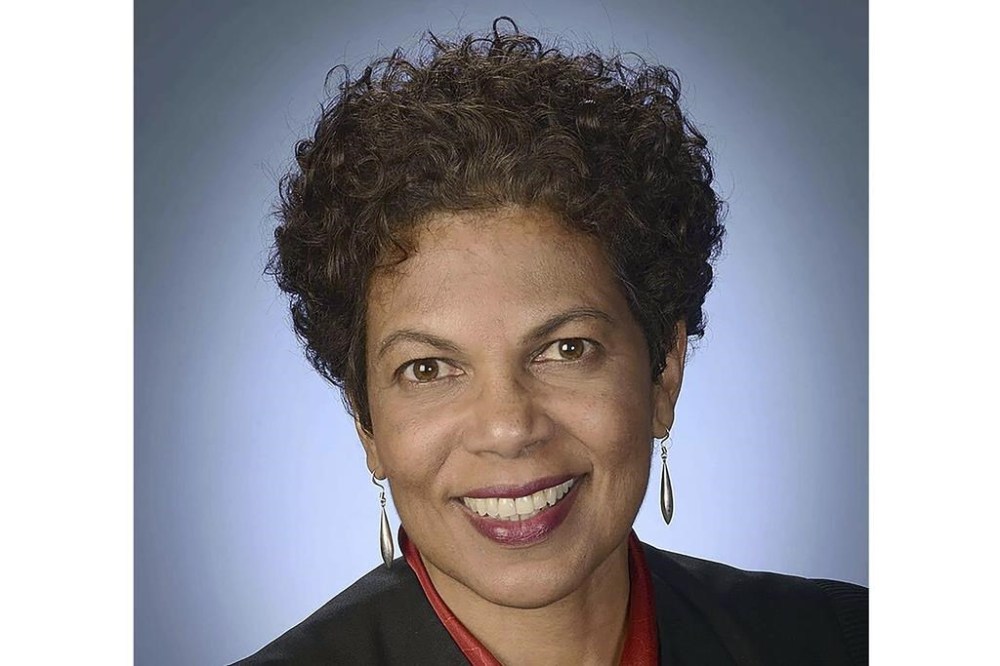
In her ruling, Chutkan said the office of the president “does not confer a lifelong ‘get-out-of-jail-free’ pass.”
“Former Presidents enjoy no special conditions on their federal criminal liability,” Chutkan wrote. “Defendant may be subject to federal investigation, indictment, prosecution, conviction, and punishment for any criminal acts undertaken while in office.”
Chutkan also rejected Trump’s claims that the indictment violates the former president’s free speech rights. Lawyers for Trump had argued that he was within his First Amendment rights to challenge the outcome of the election and to allege that it had been tainted by fraud, and they accused prosecutors of attempting to criminalize political speech and political advocacy.
But Chutkan said “it is well established that the First Amendment does not protect speech that is used as an instrument of a crime.”
“Defendant is not being prosecuted simply for making false statements … but rather for knowingly making false statements in furtherance of a criminal conspiracy and obstructing the electoral process,” she wrote.
An attorney for Trump declined to comment Friday evening.
Her ruling comes the same day the federal appeals court in Washington ruled that lawsuits brought by Democratic lawmakers and police officers who have accused Trump of inciting the U.S. Capitol riot on Jan. 6, 2021, can move forward.
The appeals court in that case rejected Trump’s sweeping claims that presidential immunity shields him from liability, but left the door open for him to continue to fight, as the cases proceed, to try to prove that his actions were taken his official capacity as president.
Trump’s legal team had argued the criminal case, which is scheduled to go to trial in March, should be dismissed because the 2024 Republican presidential primary front-runner is shielded from prosecution for actions he took while fulfilling his duties as president. They assert that the actions detailed in the indictment — including pressing state officials on the administration of elections — cut to the core of Trump’s responsibilities as commander in chief.
The Supreme Court has held that presidents are immune from civil liability for actions related to their official duties, but the justices have never grappled with the question of whether that immunity extends to criminal prosecution.
The Justice Department has also held that sitting presidents cannot be prosecuted. Trump’s lawyers are trying to ensure that same protection to a former president for actions taken while in office, asserting that no prosecutor since the beginning of American democracy has had the authority to bring such charges.
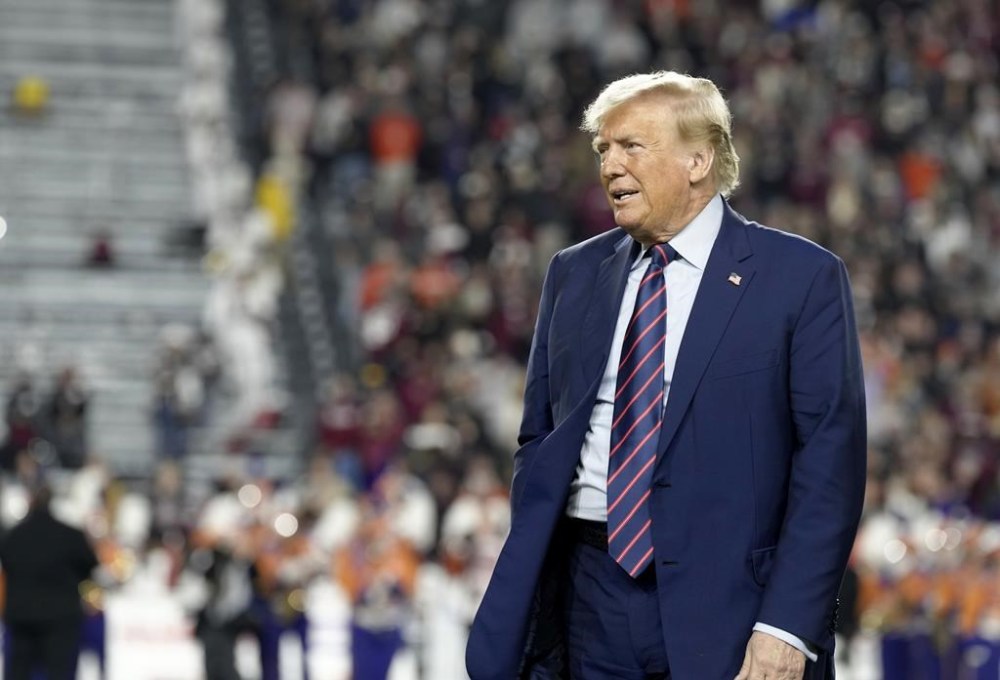
“Against the weight of that history, Defendant argues in essence that because no other former Presidents have been criminally prosecuted, it would be unconstitutional to start now,” Chutkan wrote. “But while a former President’s prosecution is unprecedented, so too are the allegations that a President committed the crimes with which Defendant is charged.”
Special counsel Jack Smith’s team has said there is nothing in the Constitution, or in court precedent, to support the idea that a former president cannot be prosecuted for criminal conduct committed while in the White House.
“The defendant is not above the law. He is subject to the federal criminal laws like more than 330 million other Americans, including Members of Congress, federal judges, and everyday citizens,” prosecutors wrote in court papers.
It’s one of four criminal cases Trump is facing while he seeks to reclaim the White House in 2024.
Smith has separately charged Trump in Florida with illegally hoarding classified documents at his Mar-a-Lago estate after he left the White House. Trump is also charged in Georgia with conspiring to overturn his election loss to Biden. And he faces charges in New York related to hush-money payments made during the 2016 campaign.
___
Richer reported from Boston.