
Rap lyrics can’t be used against artist charged with killing Run-DMC’s Jam Master Jay, judge rules
Advertisement
Read this article for free:
or
Already have an account? Log in here »
We need your support!
Local journalism needs your support!
As we navigate through unprecedented times, our journalists are working harder than ever to bring you the latest local updates to keep you safe and informed.
Now, more than ever, we need your support.
Starting at $15.99 plus taxes every four weeks you can access your Brandon Sun online and full access to all content as it appears on our website.
Subscribe Nowor call circulation directly at (204) 727-0527.
Your pledge helps to ensure we provide the news that matters most to your community!
To continue reading, please subscribe:
Add Brandon Sun access to your Free Press subscription for only an additional
$1 for the first 4 weeks*
- Enjoy unlimited reading on brandonsun.com
- Read the Brandon Sun E-Edition, our digital replica newspaper
*Your next Free Press subscription payment will increase by $1.00 and you will be charged $20.95 plus GST for four weeks. After four weeks, your payment will increase to $24.95 plus GST every four weeks.
Read unlimited articles for free today:
or
Already have an account? Log in here »
Hey there, time traveller!
This article was published 30/01/2024 (979 days ago), so information in it may no longer be current.
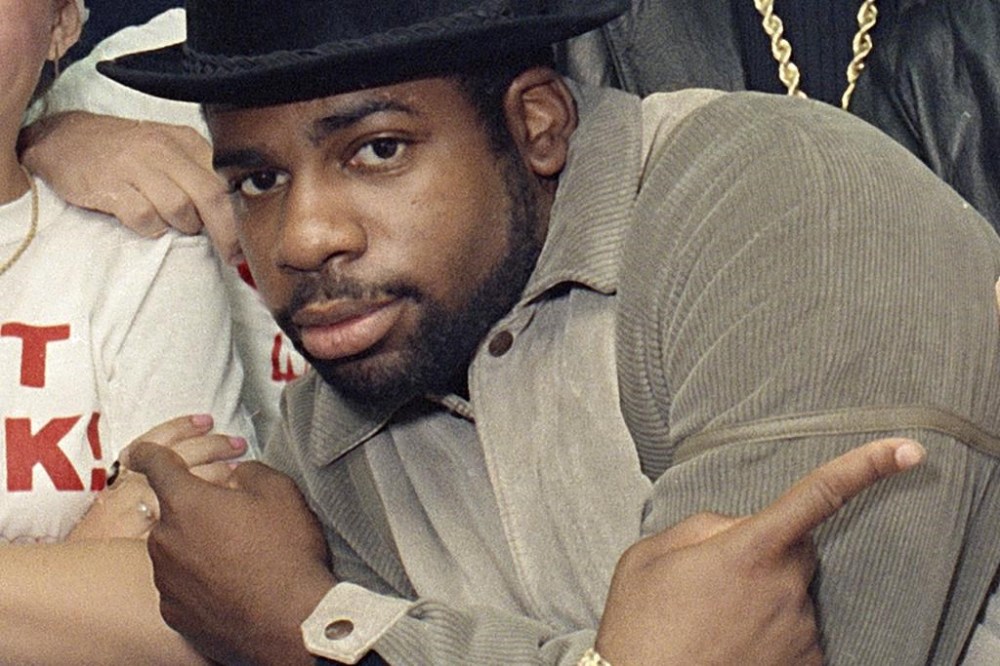
New York (AP) — The man accused of killing Run-DMC’s Jam Master Jay can’t have his rap lyrics used against him at trial, a Brooklyn judge decided Tuesday in a ruling that doubled as a history-filled paean to hip-hop as “a platform for expression to many who had largely been voiceless.”
The ruling came in response to an attempt by federal prosecutors to introduce lyrics penned by Karl Jordan Jr. as evidence of his role in gunning down Jay, a pioneering artist whose birth name was Jason Mizell. His 2002 death remains one of rap’s most infamous slayings.
In her 14-page order, Brooklyn Federal Judge LaShann DeArcy Hall traced the evolution of hip-hop over five decades, referencing tracks from over a dozen artists before ultimately finding the lyrics inadmissible.
“From the genre’s nascence as an oral tradition, rap artists have played the part of storytellers, providing a lens into their lives and those in their communities,” Hall wrote.
Prosecutors had sought to introduce several lines written by Jordan that described first-person accounts of violence and drug dealing, including: “We aim for the head, no body shots, and we stick around just to see the body drop.”
Those lyrics didn’t detail the specific crime, Hall wrote, but “merely contain generic references to violence that can be found in many rap songs.”
She pointed to similar lines written by rappers Nas, Ice Cube and Vince Staples, along with interviews with artists like Fat Joe and Future who have publicly discussed the distance between their art and real lives.
Diving further into the genre’s past, Hall cited the political activism of artists like A Tribe Called Quest and Queen Latifah, along with the role “gangsta rap” played “as a portal for others to see into America’s urban centers.”
“The Court cannot help but note that odious themes – including racism, misogyny, and homophobia – can be found in a wide swath of genres other than rap music,” she added in a footnote, even referencing lyrics from the Rolling Stones and Jason Aldean, a controversial county music star.
The use of rap lyrics in criminal prosecutions has become a contentious subject in several high-profile cases, including the ongoing racketeering trial of Young Thug. In that case the judge allowed the lyrics to be presented at trial — a decision that defense attorneys say amounts to racist “character assassination” meant to poison a jury already skeptical of rap music.
In her ruling on Tuesday, Hall wrote that courts should be “wary” about allowing the use of hip-hop lyrics against criminal defendants because “artists should be free to create without fear that their lyrics could be unfairly used against them at a trial.”
She said there could be specific exceptions in cases where lyrics discuss the precise details of a particular crime.
Jordan and an accomplice, Ronald Washington, are accused of confronting Mizell in his recording studio in 2002, then shooting him in the head. The prosecution argues it was an act of revenge for cutting them out of a drug deal.
The killing had frustrated investigators for decades, but prosecutors said they made key strides in the case over the last five years, conducting new interviews and ballistic tests and getting witnesses to cooperate.
Defense lawyers have claimed the government dragged its feet in indicting Washington and Jordan, making it harder for them to defend themselves.
Both men have pleaded not guilty, as has a third defendant who was charged this past May and will be tried separately.