
Sixth St. transitional housing approved
Advertisement
Read this article for free:
or
Already have an account? Log in here »
We need your support!
Local journalism needs your support!
As we navigate through unprecedented times, our journalists are working harder than ever to bring you the latest local updates to keep you safe and informed.
Now, more than ever, we need your support.
Starting at $15.99 plus taxes every four weeks you can access your Brandon Sun online and full access to all content as it appears on our website.
Subscribe Nowor call circulation directly at (204) 727-0527.
Your pledge helps to ensure we provide the news that matters most to your community!
To continue reading, please subscribe:
Add Brandon Sun access to your Free Press subscription for only an additional
$1 for the first 4 weeks*
- Enjoy unlimited reading on brandonsun.com
- Read the Brandon Sun E-Edition, our digital replica newspaper
*Your next Free Press subscription payment will increase by $1.00 and you will be charged $20.95 plus GST for four weeks. After four weeks, your payment will increase to $24.95 plus GST every four weeks.
Read unlimited articles for free today:
or
Already have an account? Log in here »
Hey there, time traveller!
This article was published 21/05/2024 (859 days ago), so information in it may no longer be current.
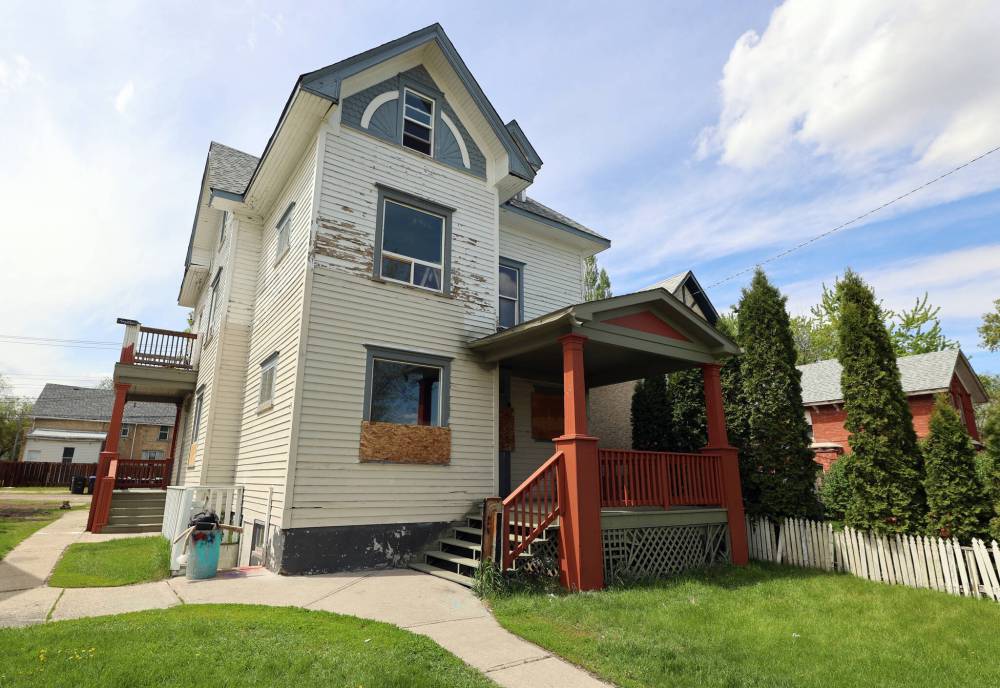
Brandon’s Planning Commission has approved a conditional-use permit for Brandon Housing First to transform a house near École New Era School to become a seven-bed transitional housing facility aimed at women.
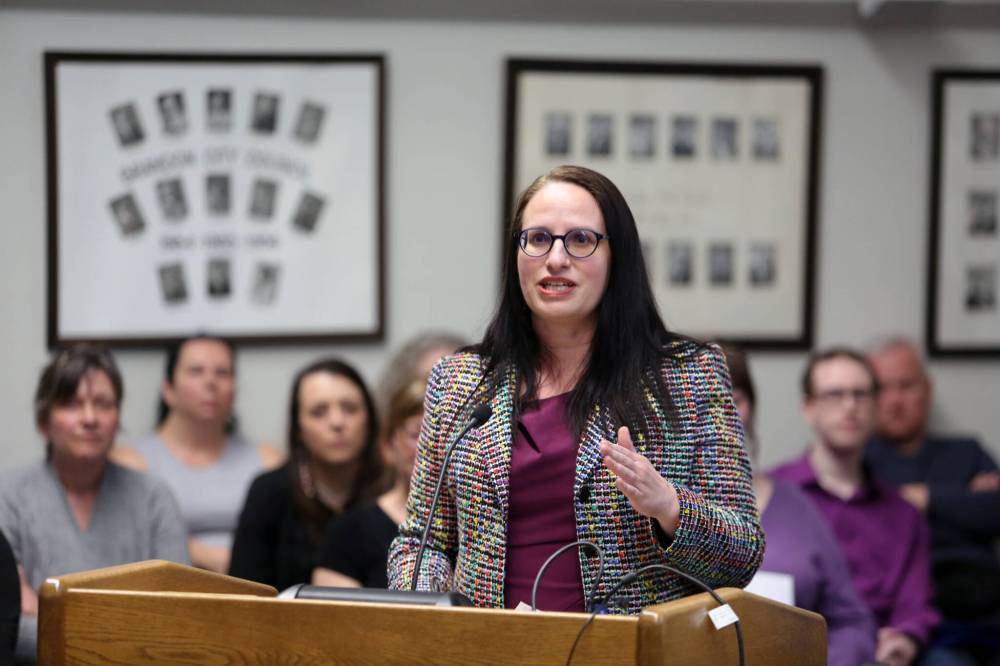
Program manager Samantha Shupe said at last week’s Planning Commission meeting that the project at 336 Sixth St. was being carried out with the support of the Action Research on Chronic Homelessness (ARCH) Brandon program.
The aim is “to change the current property into something that holds value and safety to the community and allows our individuals to be proud of having a home they feel safe in,” Shupe said.
“While our primary focus will be on older Indigenous women, we will accept anyone who identifies as a woman.”
Brandon Housing First is a program run by the Manitoba Métis Federation to help individuals, newcomers and families find and maintain housing through “intense case management,” she said.
While the focus is to find housing and then build support for their clients, Shupe said some people are not ready for that process, which led to the creation of fully staffed transitional housing facilities to help teach them some of the rules needed to maintain their housing.
Shupe said the new project comes after a months-long research initiative as well as nine months after Housing First received permission to open another transitional housing for older people.
She said there was a woman working with both Housing First and ARCH who unfortunately couldn’t be provided with housing before she died. In her honour, the facility is being named “Chelsea’s House.”
“It was her dream for women to have somewhere to go where they feel safe and not alone,” Shupe said.
The ultimate goal is to create a safe space where the women staying there can live by the seven sacred teachings, have feasts, share their stories with one another, teach new stories, share their successes with the community and heal from previous experiences.
While canvassing the neighbourhood around the home, Shupe said people in the area expressed concerns about criminal activities and property damage. However, she argued those are concerns in every ward in the city.
“To make people accountable for something that could happen but has not happened yet is not fair,” she said.
Should someone staying at the home damage a neighbour’s property, Shupe said they are committed to working with them to fix it.
“That being said, there is still a limit of what we can do under provincial and federal housing, but we can help them learn to fix a window, remove spray paint, fix fencing boards,” Shupe said.
“One of the neighbours was really concerned with the amount of traffic coming and going from the back lanes. We’re working with the landlords and a fence will be built.”
To address security concerns, Shupe said alarm sensors will be put on the fire escape doors so that there’s no traffic through them that staff are unaware of. To limit the impact on local parking, staff will park in spaces in the back lane.
No concerns were voiced by the Brandon School Division with the proximity of the facility to the school, Shupe said.
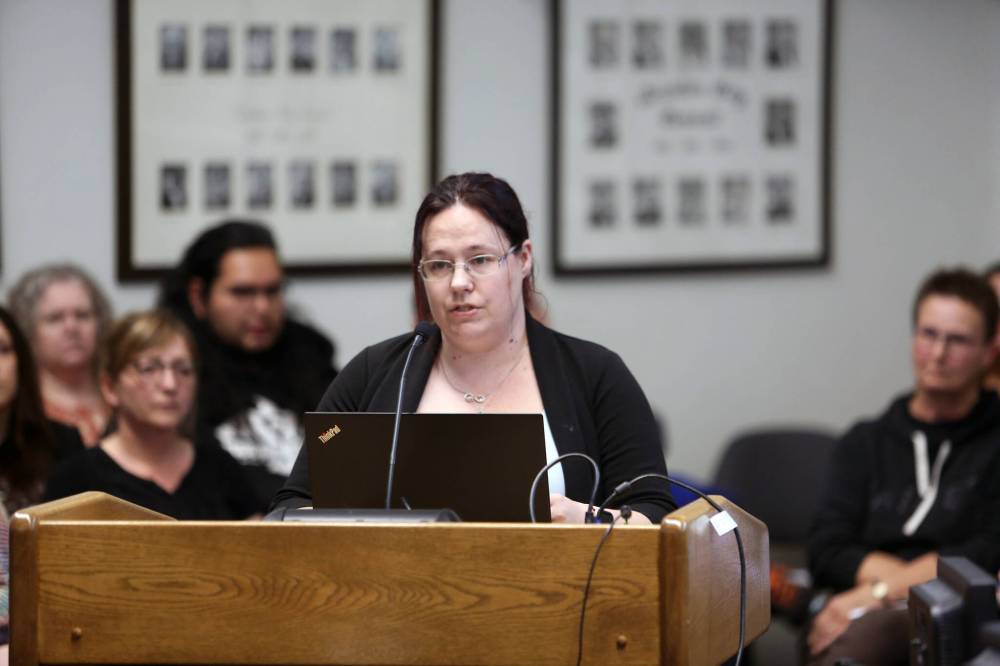
Simon Richard, a researcher with ARCH, said the project looks to find the path that led Indigenous people from rural and remote communities into homelessness in Brandon, as well as ways they can avoid homelessness.
Since November, Richard said ARCH has interviewed 102 Indigenous people in Brandon who are either currently living unhoused or have recently been without a home. Based on those interviews, Richard said ARCH is now researching seven potential projects including a safe house for women.
“Many women told us about the particular challenges faced by unhoused women and the need for safe spaces for homeless women here in Brandon,” he said.
“The vast majority of women spoke about safety concerns during their interview, including abuse and neglect as children, sexual abuse and exploitation, physical assaults, unsafe housing and violence.”
A recurring theme was concern over young Indigenous women who are aging out of government care or vulnerable older women.
Richard read some quotes from those interviews in which women expressed a desire for a shelter targeted directly at Indigenous women, where the people working there understand the issues they’re facing. Another interviewee said there’s a need for a facility where women can stay after their release from jail as many times they have nowhere to go.
The property manager for the home, Dana Jenkins of Brandon Maintenance Services, said it is currently being renovated. She said she had worked with Brandon Housing First at other transitional housing units and they are quick to respond to issues.
In 2020, the Sun reported that a man had been shot in the upper body during an incident at the residence, receiving minor injuries. At the time, the exterior of the building featured neo-Nazi graffiti on it.
“The owners have been fantastic with this property — they realize this property has had a long history of drug abuse and criminal activity and this is their way to clean things up and give back to the community,” Jenkins said.
Lisa Noctor, who works for the Brandon Friendship Centre’s Gakina Abinoojiiyag Program, spoke in support of the application, introducing herself a formerly at-risk youth who is a survivor of both domestic and sexualized violence.
“I have been inside this home under previous ownership,” she said, wearing a red hoodie commemorating missing and murdered Indigenous women and girls.
“I’ve delivered supplies to this home, food to this home, I have responded to requests from young women to come pick them up from this home. When I entered the home previously, it was clear there were signs of substance use, clear signs of exploitation and trafficking,” Noctor said.
“For many years now, this has been a property at which minors, who are still in the care of agencies … have been actively forcibly confined, held against their will, forcefully injected with substances. And when I say forcefully, I mean pinned down and injected with substances that scare us all, and people were making money off them.”
When Noctor visited the home during an open house, she said her heart was full to see it renovated. She said her heart would be full should the permit be granted and the house transformed into a space for healing.
As someone who was once one mistake away from being one of those missing or murdered Indigenous women like some of her family members have been, she said spaces like these are needed.
ARCH’s lead researcher, Megan McKenzie, said many of the concerns she’s heard voiced about the facility have been based on the ancestry of its clients, since many of them will be Indigenous; their source of income since, many of them will be on EIA; that they might be disabled or that they are currently unhoused.
She said these are protected characteristics under the Manitoba Human Rights Code as well as other federal protections and cannot be used to discriminate against people for housing.
A rejection of their application for special needs housing, she said, would likely be grounds for a human rights complaint.
It was the second week in a row that commissioners approved a facility involving transitional housing after the friendship centre’s GAP program received permission on May 1 to use the home at 450 12th St. as a youth lodge, including shelter space and a 24-hour safe space for people aged 16 to 26 years old.
City planner Andrew Mok said during the meeting that the residence is currently boarded up and that staff believed its use as a transitional housing facility would not be detrimental to the health or welfare of people living or working in the surrounding area.
Mok said two letters were received about the application, both in support. No one spoke in opposition to the application.
» cslark@brandonsun.com
» X: @ColinSlark