Taiwan’s legislature passes changes seen as favoring China, reducing president’s power
Advertisement
Read this article for free:
or
Already have an account? Log in here »
We need your support!
Local journalism needs your support!
As we navigate through unprecedented times, our journalists are working harder than ever to bring you the latest local updates to keep you safe and informed.
Now, more than ever, we need your support.
Starting at $15.99 plus taxes every four weeks you can access your Brandon Sun online and full access to all content as it appears on our website.
Subscribe Nowor call circulation directly at (204) 727-0527.
Your pledge helps to ensure we provide the news that matters most to your community!
To continue reading, please subscribe:
Add Brandon Sun access to your Free Press subscription for only an additional
$1 for the first 4 weeks*
*Your next subscription payment will increase by $1.00 and you will be charged $20.00 plus GST for four weeks. After four weeks, your payment will increase to $24.00 plus GST every four weeks.
Read unlimited articles for free today:
or
Already have an account? Log in here »
Hey there, time traveller!
This article was published 28/05/2024 (639 days ago), so information in it may no longer be current.
TAIPEI, Taiwan (AP) — Taiwan’s opposition-controlled legislature passed changes on Tuesday that are seen as favoring China and diminishing the power of the island’s president.
The changes pushed by the opposition Nationalist Party and its allies give the body greater power to control budgets, including defense spending that the party has blocked in what many see as a concession to China.
The Nationalists officially back unification with China, from which Taiwan separated during a civil war in 1949. They took control of the legislature with a single-seat majority after elections in January, while the presidency went to Lai Ching-te of the Democratic Progressive Party, which favors Taiwan’s de facto independence from China.
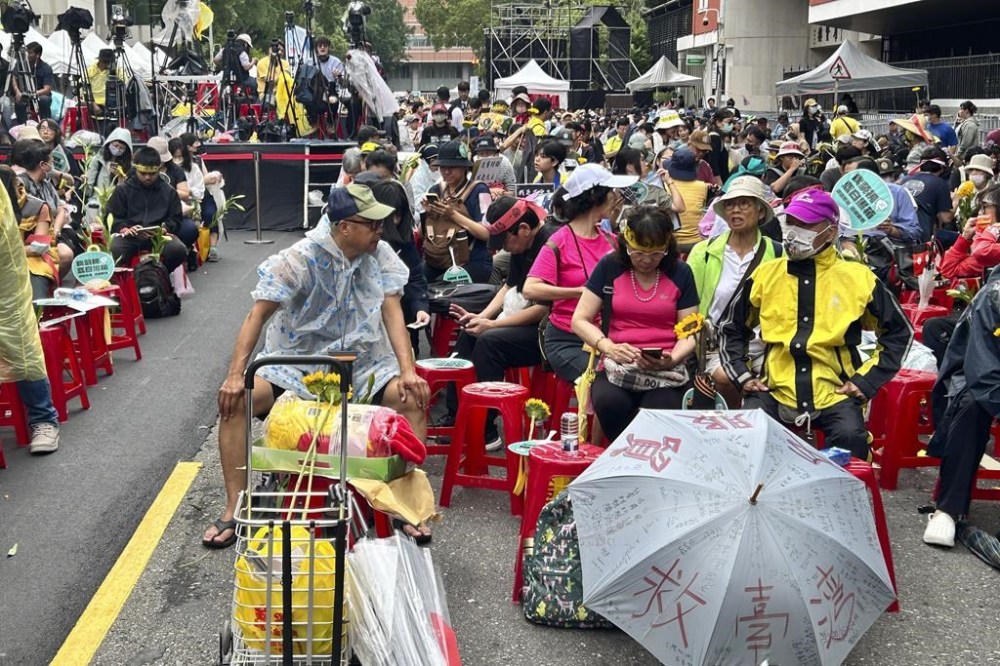
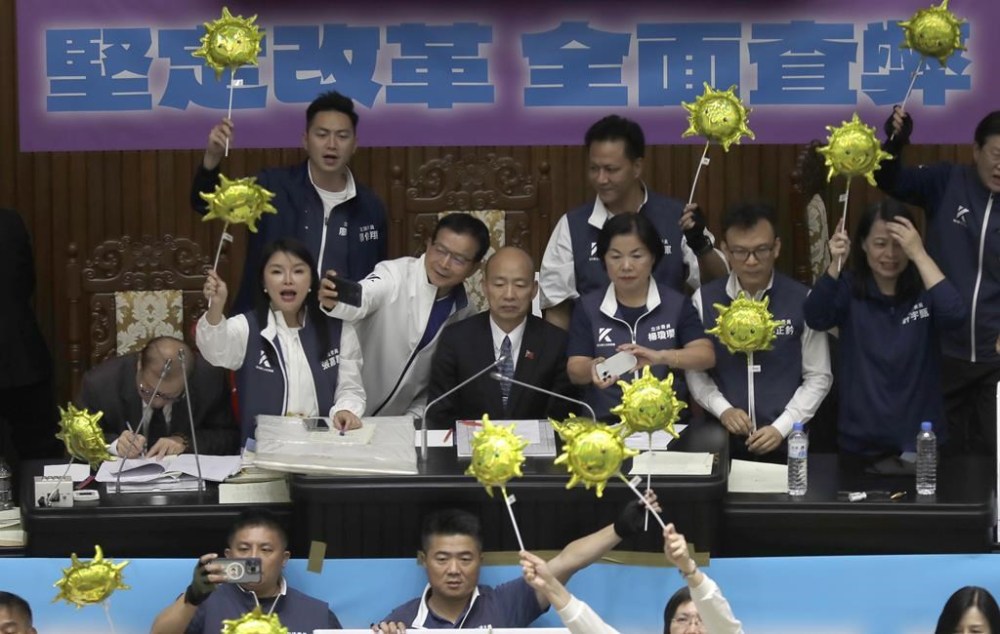
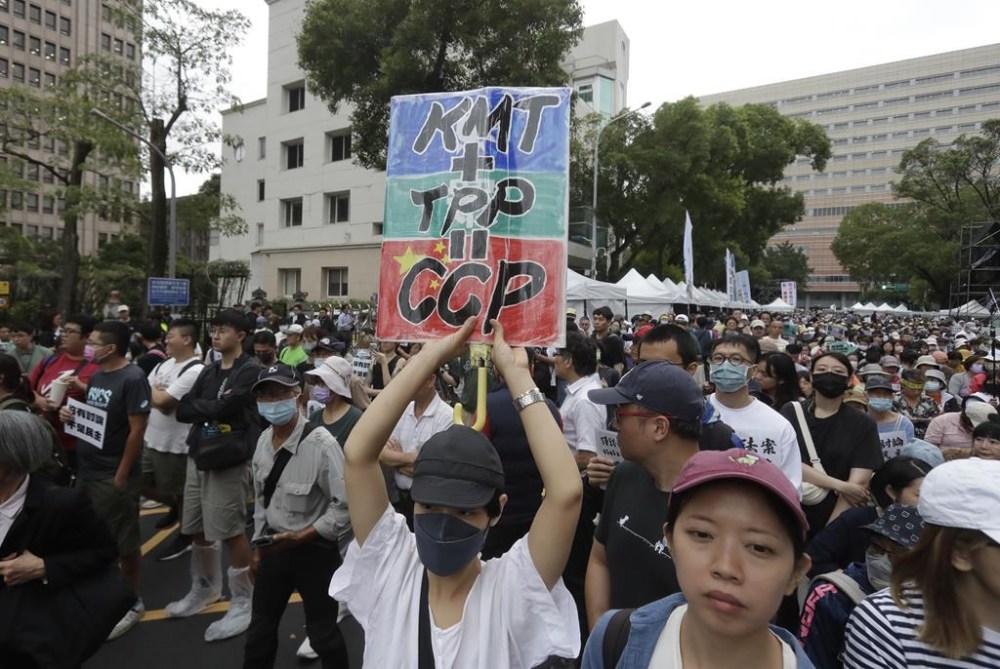
Thousands of people gathered outside the legislature to protest the changes. The legislative chamber was festooned with banners promoting both sides in the dispute, while arguments on the floor broke into shouting and pushing matches.
DPP legislators accused deputies from the KMT and the minority Taiwan People’s Party of undermining Taiwan’s democracy by expanding the legislature’s oversight of the executive branch.
China sends planes and ships near Taiwan on a daily basis in a campaign aimed at wearing down Taiwanese opposition to unification and at deteriorating its defenses, which are strongly backed by the U.S., despite a lack of formal diplomatic ties.