
Saskatchewan puts moratorium on wild boar farms, toughens regulations
Advertisement
Read this article for free:
or
Already have an account? Log in here »
We need your support!
Local journalism needs your support!
As we navigate through unprecedented times, our journalists are working harder than ever to bring you the latest local updates to keep you safe and informed.
Now, more than ever, we need your support.
Starting at $15.99 plus taxes every four weeks you can access your Brandon Sun online and full access to all content as it appears on our website.
Subscribe Nowor call circulation directly at (204) 727-0527.
Your pledge helps to ensure we provide the news that matters most to your community!
To continue reading, please subscribe:
Add Brandon Sun access to your Free Press subscription for only an additional
$1 for the first 4 weeks*
*Your next subscription payment will increase by $1.00 and you will be charged $20.00 plus GST for four weeks. After four weeks, your payment will increase to $24.00 plus GST every four weeks.
Read unlimited articles for free today:
or
Already have an account? Log in here »
Hey there, time traveller!
This article was published 10/07/2024 (634 days ago), so information in it may no longer be current.
REGINA – The Saskatchewan government has put a moratorium on new wild boar farms, after decades of expanding feral swine populations.
The province also says existing farms will require licensing and regular inspection.
Toby Tschetter, the chair of Sask Pork, says the regulations will help the industry respond to animal escapes and potential disease outbreaks.
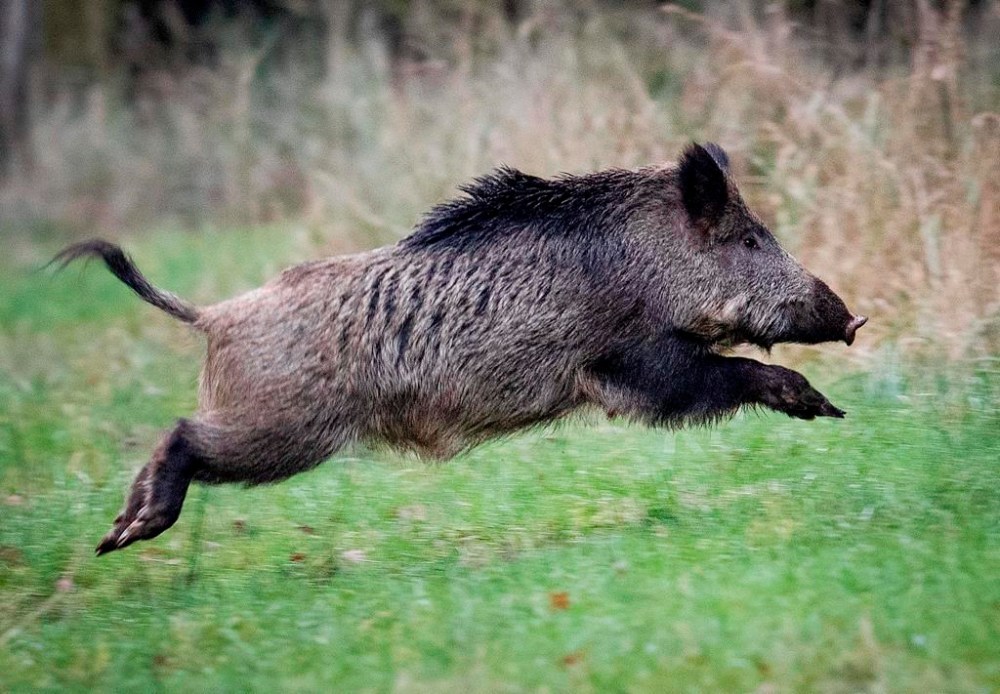
Research from the University of Saskatchewan says wild pigs — a mix of wild boar and domestic swine — became a problem in the 1990s, when many escaped livestock farms and adapted to the Prairies.
The research says the animals have grown their territory at a rate of nine per cent per year in Canada, threatening native species, such as nesting birds, deer, agricultural crops and farm livestock.
It says the pigs have also adapted to frigid temperatures and can breed in any season.
This report by The Canadian Press was first published July 10, 2024.