
Domestic violence rises in Westman
Advertisement
Read this article for free:
or
Already have an account? Log in here »
We need your support!
Local journalism needs your support!
As we navigate through unprecedented times, our journalists are working harder than ever to bring you the latest local updates to keep you safe and informed.
Now, more than ever, we need your support.
Starting at $15.99 plus taxes every four weeks you can access your Brandon Sun online and full access to all content as it appears on our website.
Subscribe Nowor call circulation directly at (204) 727-0527.
Your pledge helps to ensure we provide the news that matters most to your community!
To continue reading, please subscribe:
Add Brandon Sun access to your Free Press subscription for only an additional
$1 for the first 4 weeks*
- Enjoy unlimited reading on brandonsun.com
- Read the Brandon Sun E-Edition, our digital replica newspaper
*Your next Free Press subscription payment will increase by $1.00 and you will be charged $20.95 plus GST for four weeks. After four weeks, your payment will increase to $24.95 plus GST every four weeks.
Read unlimited articles for free today:
or
Already have an account? Log in here »
Hey there, time traveller!
This article was published 30/08/2024 (757 days ago), so information in it may no longer be current.
The troubling reality of domestic violence in western Manitoba is becoming increasingly apparent, as community organizations and law enforcement agencies deal with rising cases and the complexities of providing effective support.
The triple homicide in the RM of McCreary on Aug. 16 called attention to the severe risks faced by individuals in abusive relationships, especially in rural communities. The RCMP described the killing of three family members as a “horrific act of intimate partner violence.”
In that tragic event, the former of partner of Marlon Glover, 41, managed to escape from him and hide in the woods, but he went on to kill her parents and brother before taking his own life.
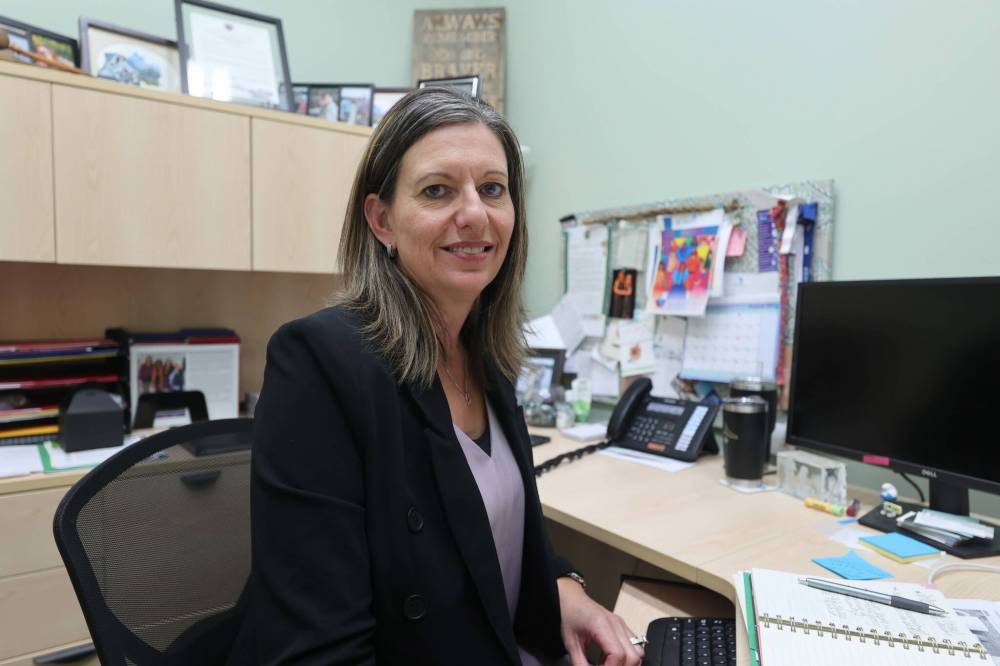
YWCA Westman, a resource for women facing domestic violence, saw a 10 per cent increase in demand for its shelter and support services last year, says executive director Lois Ruston.
“In 2023, we saw a 10 per cent increase in shelter stays at the Westman Women’s Shelter compared to the average of the previous five years,” Ruston told the Sun. “Even more concerning is the 36 per cent increase in bed nights, meaning clients are staying with us longer before they can resettle in the community.”
Ruston attributed the trend to a combination of factors, including a critical shortage of safe, affordable housing.
“It’s taking longer for our clients to feel safe enough to re-establish themselves and their families in the community,” she explained. “The housing shortages make it even more challenging, often prolonging their stay in the shelter.”
Brandon Police Service communication specialist Janet Reichert said domestic violence is one of the most underreported crimes.
“We received five domestic assault calls in 2023 and as of July 2024, there had been six calls,” Reichert said in an email.
“When the numbers are small, even one situation can significantly impact the percentages. Something to keep in mind this year is that with so many visitors and evacuees in town, the past several months can alter our city’s crime numbers as well.”
Manitoba RCMP media relations officer Julie Courchaine said domestic violence and intimate partner violence have been persistent issues throughout her 22-year career in policing.
“Unfortunately, it’s something we deal with regularly,” she said. “We see this in communities big or small and every demographic.”
Statistics Canada reported last year that in 2022, Manitoba and Saskatchewan reported the highest provincial rates of police-reported family and intimate partner violence in Canada, with 585 and 730 victims per 100,000 population, respectively.
Courchaine acknowledged the challenges of addressing intimate partner violence in Manitoba, “a province with many small and isolated communities.”
“It is important for us and the communities we serve to work collaboratively with local organizations to ensure the victim has proper support,” she said. “Victim services is one support that is always offered to victims of intimate partner violence, and officers are also aware of which shelters are in the area and share that information with the victim.”
Community members, Courchaine said, can also play a role in addressing intimate partner violence.
“We all have a role to play to stop the violence — if you think that someone you know is experiencing intimate partner violence, talk to them and make sure they know you can be trusted. Encourage them to seek support and identify their support network.”
For those not in immediate danger but seeking help, she recommended contacting the Manitoba Domestic Abuse Crisis Line at 1-877-977-0007.
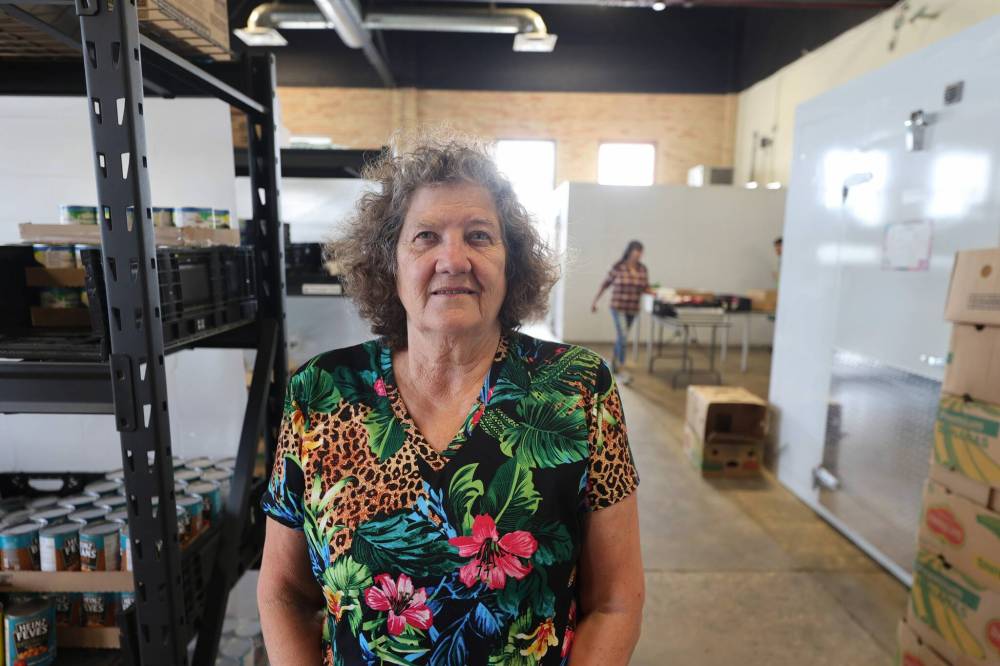
Barbara McNish of Samaritan House Ministries says there is a need for more awareness about available resources for victims of domestic violence. (Abiola Odutola/The Brandon Sun)
“They can guide you through all the resources within the province so that you and your family can get the help you need.”
Ruston said women in rural areas face numerous barriers when seeking help for domestic violence. They range from geographic isolation, limited access to resources and the pervasive stigma associated with leaving a violent relationship, hinder their ability to seek assistance.
To combat these barriers, she said, “we have increased the number of platforms that people can access for help. This contributed to a more than 55 per cent increase in crisis calls in 2023 compared to the previous five-year average.”
Economic instability also plays a significant role in the perpetuation of domestic violence in rural Manitoba, Ruston said.
“If an individual can leave the relationship, they may be forced to return because they can’t find safe and affordable housing for themselves and their children. Often those factors will contribute to the survivor having to decide to go back to an unsafe relationship,” she said.
Samaritan House Ministries executive director Barbara McNish called for more awareness about available resources.
“There’s been an increase in public awareness about family and gender-based violence,” McNish said. “It is important that those struggling with these issues know where to go for help and that they will be supported.”
Ruston said existing provincial government support through the Gender-Based Violence Program has been beneficial but added that “more needs to be done.”
She called for increased shelter capacity and more robust legal protections, including improved access to protection orders.
“Inconsistent access to cell service and delayed response from law enforcement can leave survivors and their families in very vulnerable situations,” Ruston said. “Having the Province of Manitoba declare intimate partner violence as an epidemic would shine a light on the difficult and dangerous situations that so many Manitoba families find themselves in.”
» aodutola@brandonsun.com
» X: @AbiolaOdutola