
Kinew touts NDP’s rural investments
Advertisement
Read this article for free:
or
Already have an account? Log in here »
We need your support!
Local journalism needs your support!
As we navigate through unprecedented times, our journalists are working harder than ever to bring you the latest local updates to keep you safe and informed.
Now, more than ever, we need your support.
Starting at $15.99 plus taxes every four weeks you can access your Brandon Sun online and full access to all content as it appears on our website.
Subscribe Nowor call circulation directly at (204) 727-0527.
Your pledge helps to ensure we provide the news that matters most to your community!
To continue reading, please subscribe:
Add Brandon Sun access to your Free Press subscription for only an additional
$1 for the first 4 weeks*
*Your next subscription payment will increase by $1.00 and you will be charged $20.00 plus GST for four weeks. After four weeks, your payment will increase to $24.00 plus GST every four weeks.
Read unlimited articles for free today:
or
Already have an account? Log in here »
Hey there, time traveller!
This article was published 06/02/2025 (320 days ago), so information in it may no longer be current.
After announcing two new offices last month for the Manitoba Agricultural Services Corporation, Premier Wab Kinew reiterated to the media that he is still committed to investing services closer to rural Manitoba.
The message came at Ag Days, when Kinew referred to his announcement of two MASC offices as a follow-through of his campaign promise to “decentralize” services in Manitoba — or bring resource investments into the smaller areas. Kinew said the offices were one example of this effort, and a reversal of a trend from the previous government.
“Over the past number of years, there’s been something called centralization, and it’s not been good for rural Manitoba,” said Kinew. “Centralization of resources in health care, in ag services offices, government services offices.”
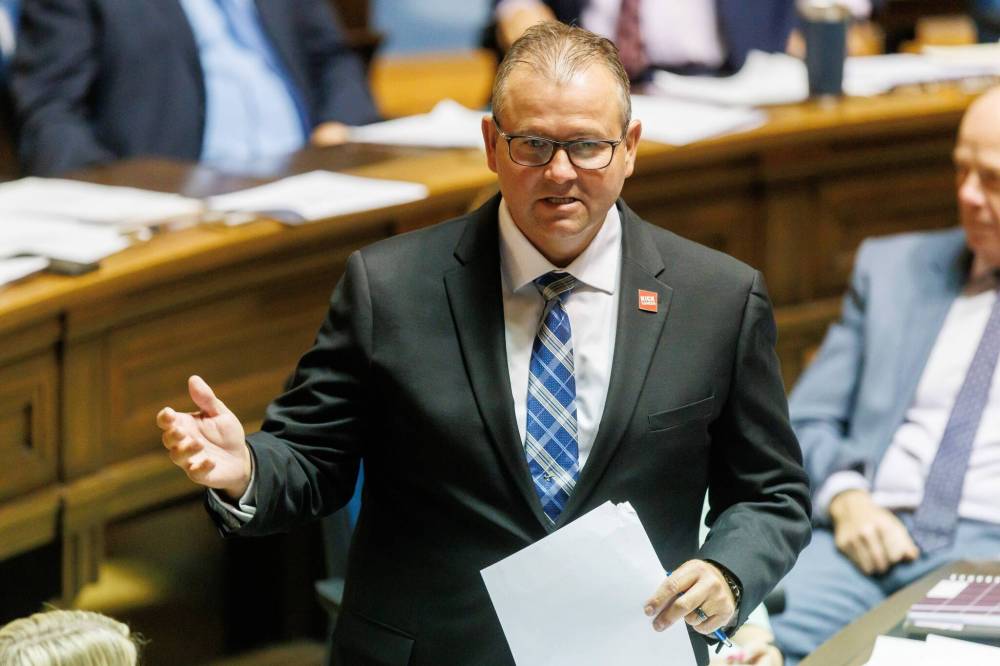
Kinew said reversing this was a promise of his 2023 campaign, a promise he continues to follow through with.
In the time following recent announcements from Kinew’s NDP, several rural mayors have told the Sun they are happy with NDP investment. Virden and Shoal Lake mayors welcomed the new MASC offices, Virden independently welcomed $500,000 in funding to extend its airport runway, the mayor of Swan River welcomed funding for a new RCMP unit and the mayor of Dauphin welcomed a jail that was announced by the NDP government.
Dauphin mayor David Bosiak, however, told the Sun that a timeline has not been announced for the jail. It was a sticking point for Progressive Conservative leader Wayne Ewasko when speaking to the Sun about the NDP’s promises.
When asked about Kinew’s comments on decentralization, Ewasko said “reality” is different from what the NDP government has been presenting. He said many promises are being made, but many do not have plans behind them.
“We just need to stop giving them a pass and continue to call them out on these things,” said Ewasko. “And that’s what we’re doing with the great team that I have.”
Ewasko pointed to a press release the PC Caucus put out in January. He said it shows that reality is running contrary to some presentations made by Kinew, such as the promise to invest in rural Manitoba.
The caucus released data showing Westman had vacancies in health-care services. It showed paramedic offices also had vacancies, including 12 out of 13 positions unfilled in Shoal Lake, eight out of 17 in Virden, and eight out of 13 in Russel. The data also indicated the majority of hospitals in the Prairie Mountain Health district were not reliably open 24/7 in December.

“How is that decentralizing?” Ewasko said to the Sun. “And yet (Kinew) continues to pat himself on the back for these fictitious health-care worker numbers. Well, where are they? They’re not in the personal care homes. They’re not in the hospitals. They’re not staffing up, whether it’s emergency rooms or urgent care centres. Where are these people?”
Roblin MLA Kathleen Cook at the time wrote that there were dire shortages in “massive geographic areas” and questioned whether residents in western Manitoba could trust an ambulance would be available in an emergency.
The Sun reached out to the premier’s office for comment but couldn’t connect with Kinew before deadline. A follow-up interview is being scheduled to speak on this topic in the coming week.
While the opposition raises concerns with health-care shortages, there are areas where local leaders have made positive remarks about the investments that the current government has made in Westman.
Despite the lack of a timeline, Bosiak told the Sun last year that he firmly believed the proposed jail would be built and bring economic benefits to Dauphin — including jobs, and working spouses of those jail employees plus their children who would attend school in town.
Parkland Chamber of Commerce executive director Stephen Chychota also told the Sun late last year the jail is “very positive news” and would be a huge benefit to the area. Chychota said even during the construction phase it would boost restaurant visits, retail sales and hotel stays in the greater Dauphin area.
Policing is also on the docket, as in an interview with the Sun, National Police Federation prairie director Bobby Baker said the RCMP have an “excellent working relationship” with the NDP government. He emphasized that the NDP continued with funding that started under the former PC party, and is carrying the torch to fund between 140 and 150 new police officers for rural Manitoba.
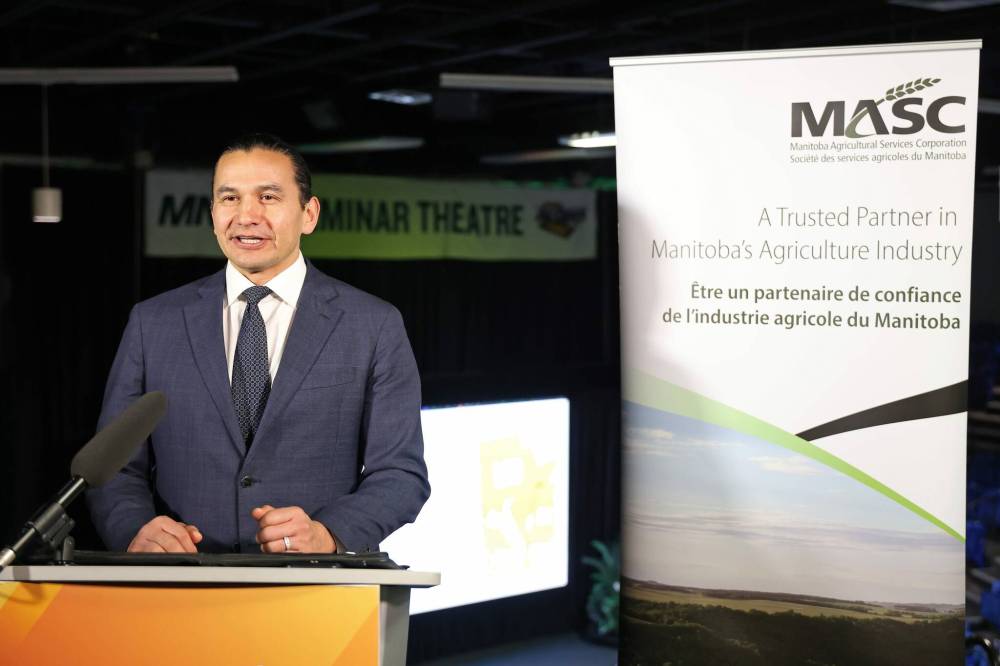
Baker in January said he expects roughly 100 of those positions to be filled by September. It comes as the NDP expands its public safety strategy, with plans including to push tools like ankle monitors across the province for use against repeat violent offenders who are released on bail.
“We’re really happy with what the province is doing for bail reform,” said Baker. “They’re the first in the country to take initiative on some of the actions that the National Police Federation has requested in our bail reform data.”
The police federation in 2023 put out a public letter requesting bail reform policies such as expanding the use of electronic monitoring devices (ankle monitors). The Manitoba NDP government announced in 2024 it would bring back the devices, and after months in Winnipeg, expanded the program across Manitoba as part of the province’s public safety strategy.
»cmcdowell@brandonsun.com