
Russia outlaws Amnesty International in latest crackdown on dissent and activists
Advertisement
Read this article for free:
or
Already have an account? Log in here »
We need your support!
Local journalism needs your support!
As we navigate through unprecedented times, our journalists are working harder than ever to bring you the latest local updates to keep you safe and informed.
Now, more than ever, we need your support.
Starting at $15.99 plus taxes every four weeks you can access your Brandon Sun online and full access to all content as it appears on our website.
Subscribe Nowor call circulation directly at (204) 727-0527.
Your pledge helps to ensure we provide the news that matters most to your community!
To continue reading, please subscribe:
Add Brandon Sun access to your Free Press subscription for only an additional
$1 for the first 4 weeks*
*Your next subscription payment will increase by $1.00 and you will be charged $20.00 plus GST for four weeks. After four weeks, your payment will increase to $24.00 plus GST every four weeks.
Read unlimited articles for free today:
or
Already have an account? Log in here »
Hey there, time traveller!
This article was published 19/05/2025 (312 days ago), so information in it may no longer be current.
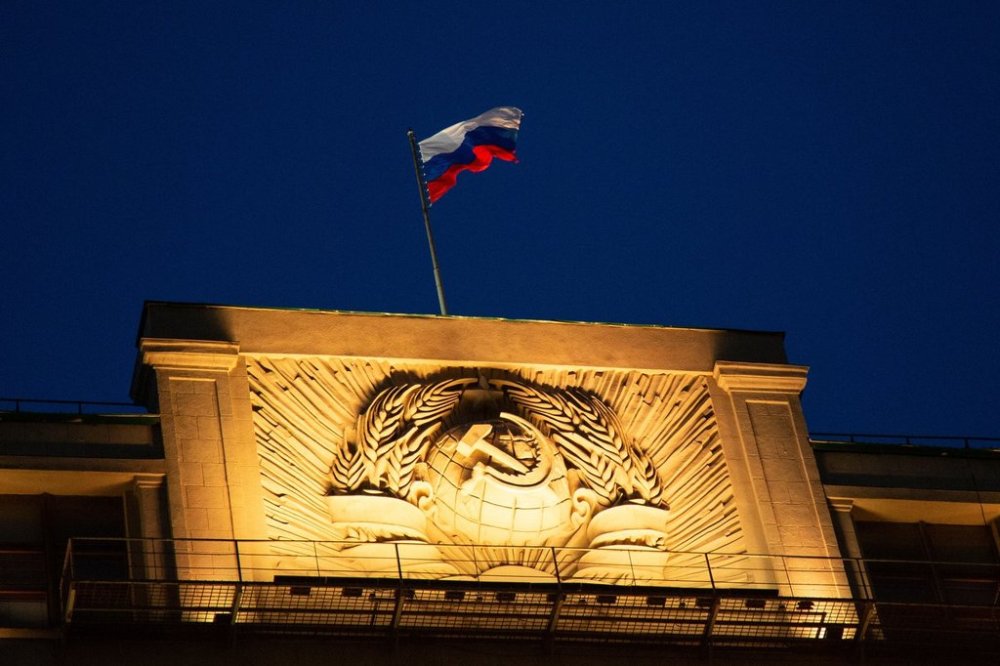
The Russian authorities on Monday outlawed Amnesty International as an “undesirable organization,” a label that under a 2015 law makes involvement with such organizations a criminal offense.
The decision by the Russian Prosecutor General’s office, announced in an online statement, is the latest in the unrelenting crackdown on Kremlin critics, journalists and activists that intensified to unprecedented levels after Moscow invaded Ukraine in February 2022.
The designation means the international human rights group must stop any work in Russia, and it subjects those who cooperate with it or support it to prosecution, including if anyone shares Amnesty International’s reports on social media.
Agnès Callamard, Amnesty International’s secretary general, said the move was part of the Russian government’s efforts to silence dissent and isolate civil society. “The authorities are deeply mistaken if they believe that by labeling our organization ‘undesirable,’ we will stop our work documenting and exposing human rights violations – quite the opposite,” she said in a statement. “We will not give in to the threats and will continue undeterred to work to ensure that people in Russia are able to enjoy their human rights without discrimination.”
Callamard said Amnesty International “will continue to work relentlessly to ensure that all those who are responsible for committing grave human rights violations, whether in Russia, Ukraine, or elsewhere, face justice.”
Russia’s list of “undesirable organizations” currently covers 223 entities, including prominent independent news outlets and rights groups. Among those are prominent news organizations like Radio Free Europe/Radio Liberty or Russian independent outlet Meduza, think tanks like Chatham House, anti-corruption group Transparency International, and Open Russia, an opposition group founded by Mikhail Khodorkovsky, an exiled tycoon who became an opposition figure.
After Open Russia was declared undesirable in 2021 and disbanded to protect its members, its leader, Andrei Pivovarov, was arrested and convicted on charges of carrying out activities of an undesirable organization. He was sentenced to four years in prison and released in 2024 in the largest prisoner exchange with the West since Soviet times.
Amnesty International was launched in 1961. The group documents and reports human rights violations around the globe and campaigns for the release of those it deems unjustly imprisoned. It has released reports on Russia’s war in Ukraine, accusing Moscow of crimes against humanity, and has spoken out against the Kremlin’s crackdown on dissent that has swept up thousands of people in recent years.
Amnesty International’s recent statements on Russia included decrying a prison sentence handed to prominent election monitoring activists Grigory Melkonyants as a “brazen and politically motivated clampdown on peaceful activism.”
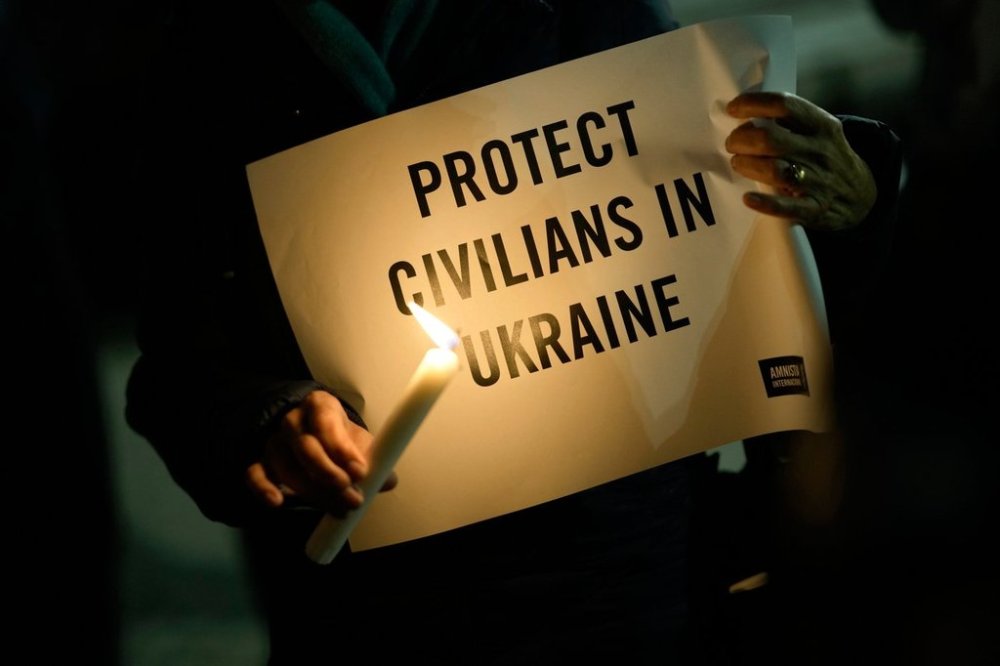
It also spoke out against a series of arrests of publishing professionals in Russia last week over alleged “LGBTQ+ propaganda” in books. “This shameless heavy-handed use of state apparatus against literature is as absurd as it is terrifying,” said Natalia Zviagina, Amnesty International’s Russia director.
In its statement, the Prosecutor General’s office accused the group of running “Russophobic projects” and activities aimed at Russia’s “political and economic isolation.”