
Kinew optimistic Port of Churchill project in Manitoba will move forward
Advertisement
Read this article for free:
or
Already have an account? Log in here »
We need your support!
Local journalism needs your support!
As we navigate through unprecedented times, our journalists are working harder than ever to bring you the latest local updates to keep you safe and informed.
Now, more than ever, we need your support.
Starting at $15.99 plus taxes every four weeks you can access your Brandon Sun online and full access to all content as it appears on our website.
Subscribe Nowor call circulation directly at (204) 727-0527.
Your pledge helps to ensure we provide the news that matters most to your community!
To continue reading, please subscribe:
Add Brandon Sun access to your Free Press subscription for only an additional
$1 for the first 4 weeks*
*Your next subscription payment will increase by $1.00 and you will be charged $20.00 plus GST for four weeks. After four weeks, your payment will increase to $24.00 plus GST every four weeks.
Read unlimited articles for free today:
or
Already have an account? Log in here »
Hey there, time traveller!
This article was published 11/09/2025 (196 days ago), so information in it may no longer be current.
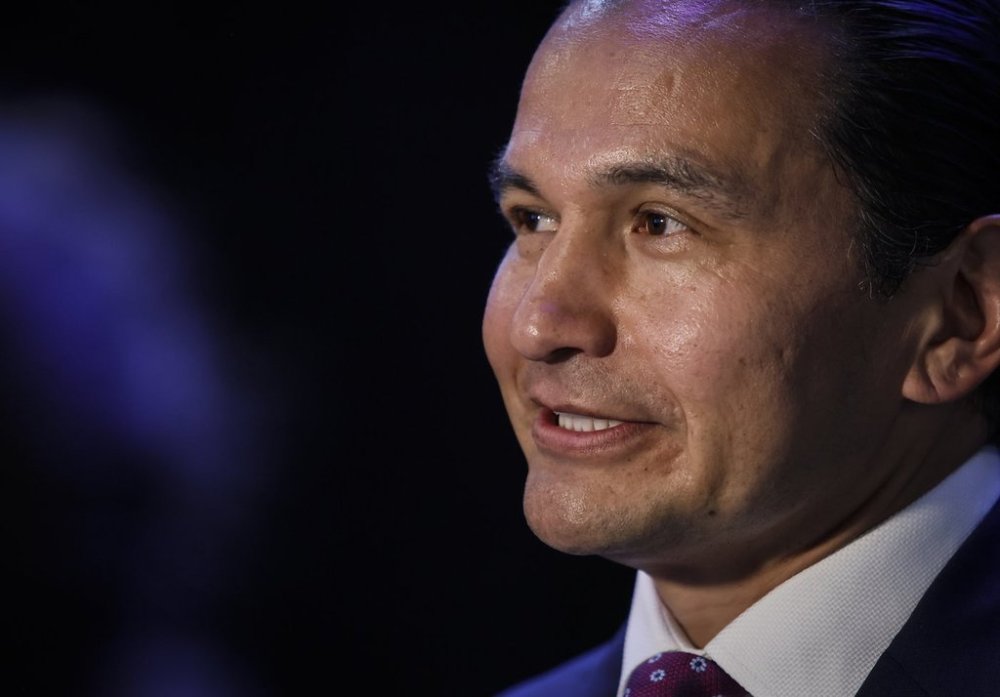
WINNIPEG – Manitoba Premier Wab Kinew says Manitoba has scored an economic win even though the Port of Churchill expansion isn’t one of the first infrastructure projects being considered for fast-track approval under new federal legislation.
Prime Minister Mark Carney has named the first five proposals considered of national interest to be referred for speedy approval.
Among five additional projects listed as future projects is upgrading the Port of Churchill on Hudson Bay so it can ship year-round.
The federal government says the Port of Churchill project looks to expand trade routes with an all-weather road, an upgraded rail line, a new energy corridor and marine ice-breaking capacity.
Kinew says it’s exciting to see Ottawa look to Manitoba for developing a project of national importance.
He adds he’s not disappointed the project is being considered in the second round of approvals, as it gives the governments time to work with Indigenous groups.
“We’re not going to use a (Bill C-5) approach here in Manitoba,” Kinew told reporters Thursday, referencing the major projects legislation that quickly moved through Parliament and faced opposition from some Indigenous groups.
“We know that the best way to get something built over the long term is by having those partner governments on side from representation of Indigenous community perspectives before things get built.”
Ottawa’s decision to wait on upgrades to the Port of Churchill affirms the approach Manitoba is taking when it comes to moving forward with major projects, he said.
Kinew has hinted his government may develop a Crown-Indigenous corporation to work with First Nations and Red River Métis on developing frameworks for major projects, which has been met with cautious optimism by various Indigenous groups.
The premier said he hopes to see movement on the Port of Churchill project this fall.
“It’s really exciting for us as a province to be able to play a role in building up Canada’s economy for the next stage of us pushing back against (U.S. President) Donald Trump.”
Chris Avery, president and CEO of Arctic Gateway Group, which owns the port and the northern rail line that leads to it, said it’s ready to work with Indigenous rights holders, communities and its partners to “do this right.”
“Together, we will support Canada’s national goals of diversifying trade, becoming a global energy superpower and asserting sovereignty in the North,” Avery said in a statement.
“All of which will grow the local economy and the broader Canadian economy, doing so with reconciliation at the core of our plan.”
This report by The Canadian Press was first published Sept. 11, 2025.