
More people are using food banks as inflation grows, Manitoba report says
Advertisement
Read this article for free:
or
Already have an account? Log in here »
We need your support!
Local journalism needs your support!
As we navigate through unprecedented times, our journalists are working harder than ever to bring you the latest local updates to keep you safe and informed.
Now, more than ever, we need your support.
Starting at $15.99 plus taxes every four weeks you can access your Brandon Sun online and full access to all content as it appears on our website.
Subscribe Nowor call circulation directly at (204) 727-0527.
Your pledge helps to ensure we provide the news that matters most to your community!
To continue reading, please subscribe:
Add Brandon Sun access to your Free Press subscription for only an additional
$1 for the first 4 weeks*
*Your next subscription payment will increase by $1.00 and you will be charged $20.00 plus GST for four weeks. After four weeks, your payment will increase to $24.00 plus GST every four weeks.
Read unlimited articles for free today:
or
Already have an account? Log in here »
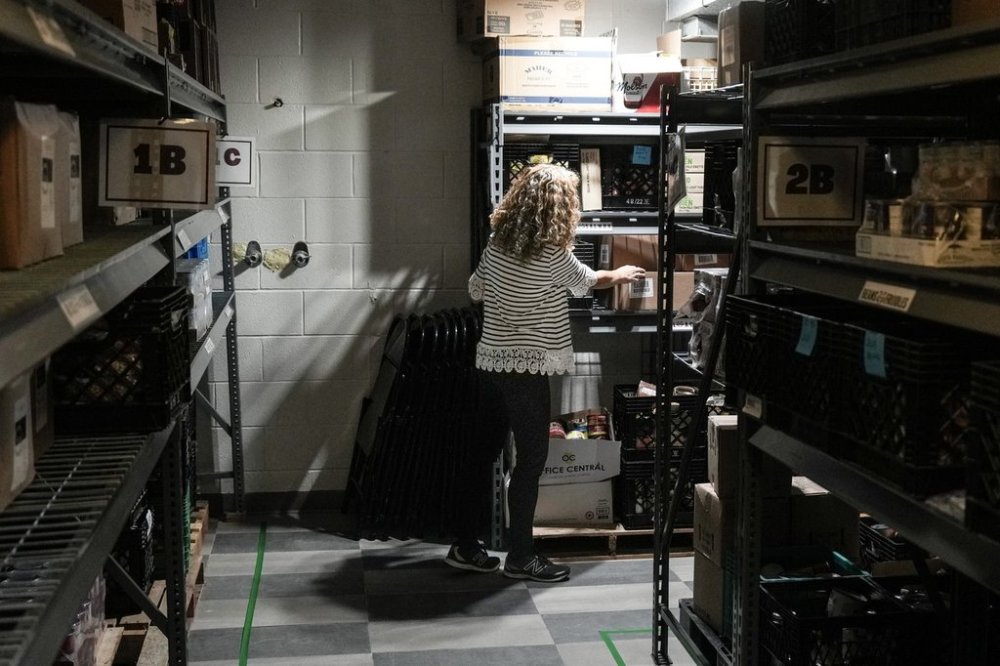
WINNIPEG – The number of Manitobans using food banks has risen sharply as people struggle with the escalating cost of living, a report released Thursday by Harvest Manitoba said.
The group, which represents food banks across the province, says the number of people using food banks has grown by 150 per cent in five years, and now sits at 60,000 people per month.
More families with children are using food banks, almost one-third of users have jobs, and the percentage of users with post-secondary education has grown from 33 per cent to 61 per cent over five years, the group’s annual statistical report said.
“Employment, education and marriage — the common ladders a family climbs to rise above poverty — are no longer reliable pathways,” the report said.
“Lack of affordable housing, insufficient social assistance payments, low employment wages, and lack of support for those living with a disability are challenges that are as present now as they were in 2020.”
Harvest Manitoba is calling on governments to help people overcome food insecurity through measures like increased social assistance and better housing. Other recommendations include free transit for low-income earners and more accessible, low-cost child care.
The cost of living has been a key theme at the Manitoba legislature, where the fall sitting ended Thursday.
The Opposition Progressive Conservatives have accused the NDP government of failing to take measures to keep housing and groceries affordable. The most recent figures from Statistics Canada show the consumer price index in Manitoba in October was up three per cent from the same month last year — the second-highest increase among provinces, behind Quebec.
Premier Wab Kinew said his government has done more than the former Tory government to keep inflation in check. He pointed to measures such as a cut in the provincial fuel tax and a recent law that prohibits the use of “restrictive covenants” in land sales that might prohibit a grocery store from opening close to an existing one.
“We’re bringing in a situation where Manitoba is the first province to have true competition in the grocery sector by knocking down property controls,” Kinew said in question period.
The fall sitting that started Nov. 18 was marked by often-heated debate, heckling and name-calling.
New Democrats called the Tories misogynists, tofu-eaters and latte-sippers. Tories called Kinew a liar and a criminal. Kinew had several run-ins with the law two decades ago, including convictions for assault and refusing a breathalyzer, and years later received a record suspension, commonly called a pardon.
The short sitting saw the government introduce three bills, including one to expand protections for people whose intimate images are shared without their consent.
The legislature is scheduled to reconvene March 4th. The government gave notice Thursday that it plans to bring forward at least 19 bills in the spring sitting to fulfil promises in the recent throne speech. They include a ban on sick notes for short-term employee absences and restrictions on machetes and other long-blade weapons in public areas such as parks.
This report by The Canadian Press was first published Dec. 4, 2025