
‘Indian Hospital’ settlement misses mark: prof
Advertisement
Read this article for free:
or
Already have an account? Log in here »
We need your support!
Local journalism needs your support!
As we navigate through unprecedented times, our journalists are working harder than ever to bring you the latest local updates to keep you safe and informed.
Now, more than ever, we need your support.
Starting at $15.99 plus taxes every four weeks you can access your Brandon Sun online and full access to all content as it appears on our website.
Subscribe Nowor call circulation directly at (204) 727-0527.
Your pledge helps to ensure we provide the news that matters most to your community!
To continue reading, please subscribe:
Add Brandon Sun access to your Free Press subscription for only an additional
$1 for the first 4 weeks*
- Enjoy unlimited reading on brandonsun.com
- Read the Brandon Sun E-Edition, our digital replica newspaper
*Your next Free Press subscription payment will increase by $1.00 and you will be charged $20.95 plus GST for four weeks. After four weeks, your payment will increase to $24.95 plus GST every four weeks.
Read unlimited articles for free today:
or
Already have an account? Log in here »
Hey there, time traveller!
This article was published 06/02/2026 (228 days ago), so information in it may no longer be current.
Following last week’s opening of the claims process in a federal “Indian Hospital” class-action settlement, a professor who researched the former Brandon Sanatorium argues that more people should have been included.
However, one of the lawyers representing claimants in the lawsuit disagrees, saying the scope of the settlement was appropriate.
The claims process opened on Jan. 27, allowing people abused by 33 Canadian facilities between 1936 and 1981 to apply as part of a settlement agreed to by the Government of Canada.
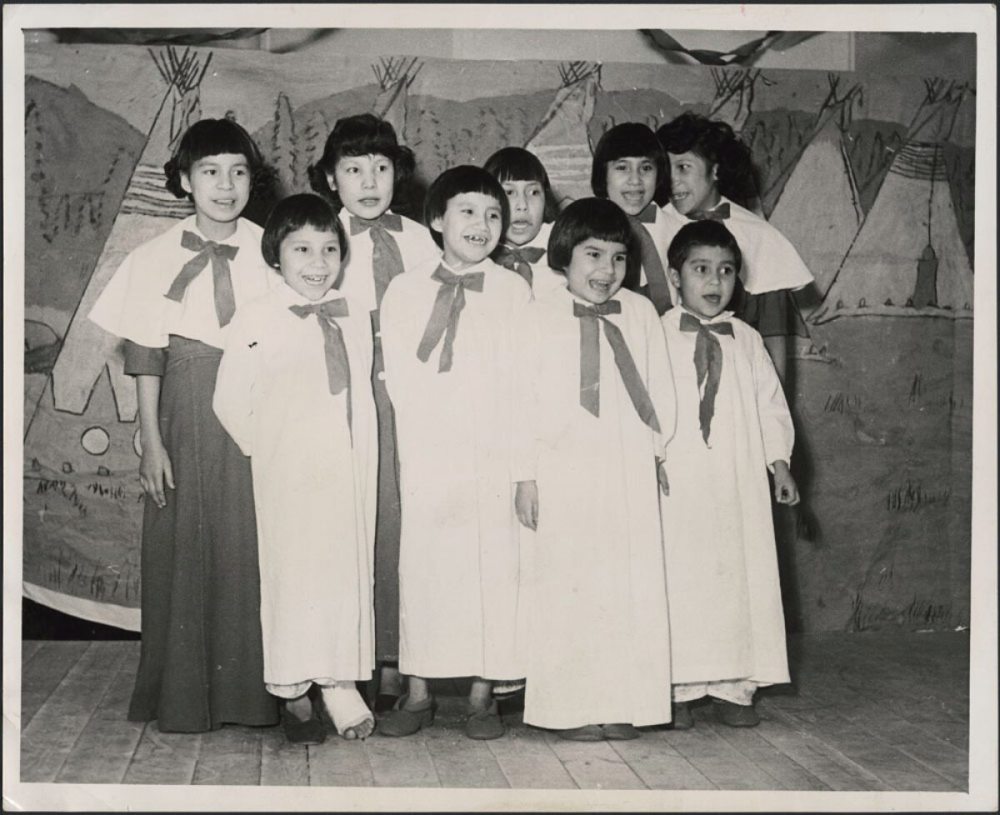
University of Winnipeg Indigenous history Prof. Mary Jane McCallum said the settlement should not have been limited to specific instances of abuse, and that an opportunity was missed to regard the Indian Hospitals as inherently abusive.
“What I was disappointed with was that, unlike the Indian residential school settlement, there was no common experience payment,” McCallum said. “So in that settlement, anybody who was at a residential school was eligible to have a certain amount of money that recognized the time that they spent in the residential school; but this one doesn’t do that.”
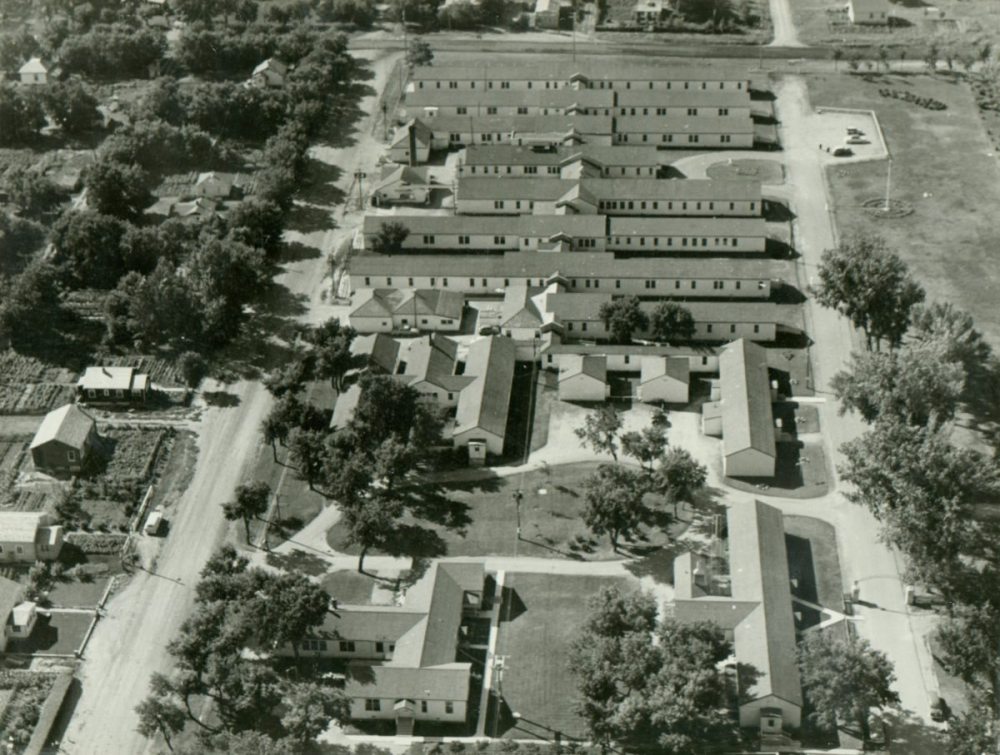
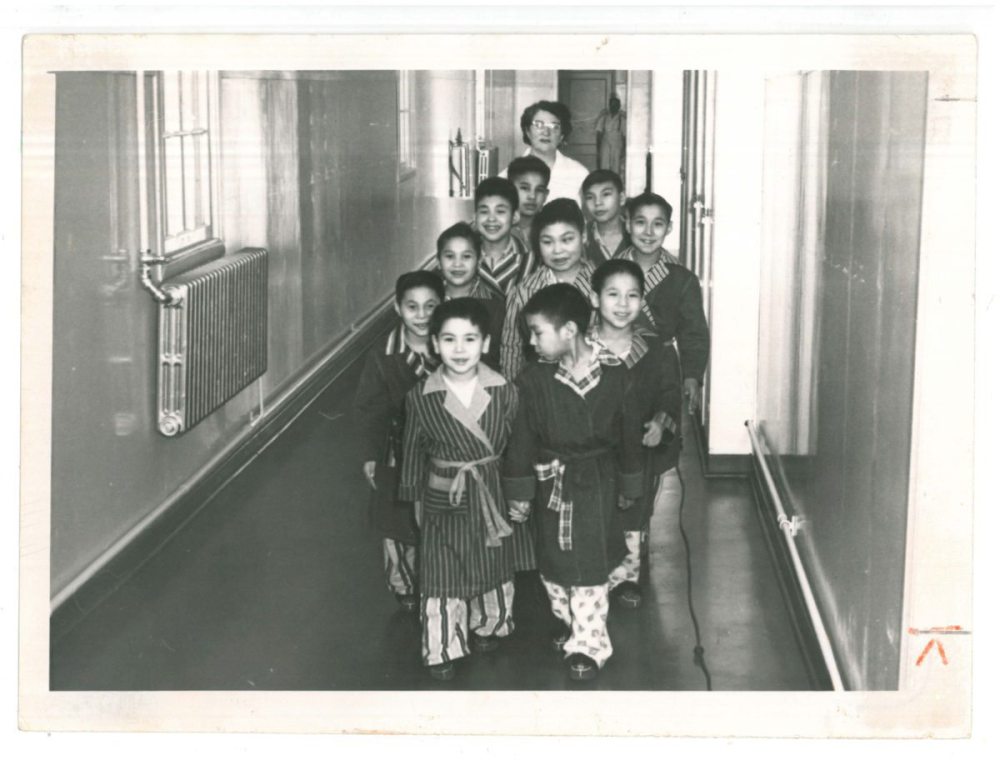
In her research, McCallum interviewed past patients of the Brandon Sanatorium, a facility that is included in the class-action settlement. She said some child patients at the Brandon facility were taught by an in-house educator and were subjected to strong messages about assimilation and integration into Canadian society, as well as encouragement to use the English language.
In those respects, she said, the sanatorium was similar to residential schools.
Doug Lennox, class counsel representative from the law firm Klein Lawyers, one of the firms litigating the lawsuit, disagreed that every case of attendance should be considered abuse.
“I understand the point, I know what she’s saying. I mean, I’m going to disagree,” Lennox told the Sun in an interview.
“If you were admitted to the hospital for one day, and your sprained ankle was looked after, and then you left, I mean that’s not a compensable injury.”
Mistreatment, if it occurred, is covered through a variety of forms of abuse, such as physical, sexual, verbal and psychological abuse, he said. The lawyer also pointed out that the settlement is worded in a way that supports claimants.
“The settlement tells the claims administrator to take claimants in good faith,” Lennox said. “The bias is that the claimants are telling the truth.”
The settlement stipulates that a claimant may not be assumed to be acting in good faith if there are reasonable grounds to the contrary.
The best projection available estimates that there are about 100,000 survivors still alive who could file claims, he said. The claims process is open until July 2028.
Lennox added that Canada has taken a generous position that it will pay for as many people who come forward with an eligible claim. That includes claims filed on behalf of victims who have passed away, so long as that person was still alive as of January 2016.
The payments to individuals range from $10,000 to $200,000 based on the severity of abuse experienced.
Settlements help people connect with services like counselling, but money itself does not bring healing, Chief Cornell McClean said on behalf of the Southern Chiefs Organization on Friday.
McClean said the government should open a call centre to assist people working through the claims process, such as by helping claimants identify the right hospitals.
The settlement also includes the creation of a foundation that will manage two separate funds: a $150-million healing fund and a $235.5-million research and commemoration fund.
The healing fund will support healing, wellness, reconciliation, protection of languages, education and commemoration activities. Research, education and preservation of the history of federal Indian Hospitals will be funded by the research and commemoration fund. It will also support efforts to locate burial sites associated with the hospitals.
» cmcdowell@brandonsun.com