
Clearview AI loses B.C. appeal of findings over facial recognition privacy breaches
Advertisement
Read this article for free:
or
Already have an account? Log in here »
We need your support!
Local journalism needs your support!
As we navigate through unprecedented times, our journalists are working harder than ever to bring you the latest local updates to keep you safe and informed.
Now, more than ever, we need your support.
Starting at $15.99 plus taxes every four weeks you can access your Brandon Sun online and full access to all content as it appears on our website.
Subscribe Nowor call circulation directly at (204) 727-0527.
Your pledge helps to ensure we provide the news that matters most to your community!
To continue reading, please subscribe:
Add Brandon Sun access to your Free Press subscription for only an additional
$1 for the first 4 weeks*
*Your next subscription payment will increase by $1.00 and you will be charged $20.00 plus GST for four weeks. After four weeks, your payment will increase to $24.00 plus GST every four weeks.
Read unlimited articles for free today:
or
Already have an account? Log in here »
VANCOUVER – The British Columbia Court of Appeal has dismissed a bid by U.S. facial recognition firm Clearview AI to overturn findings that the company is subject to Canadian privacy laws, despite no longer doing business in the country.
The ruling released this week says Clearview AI was investigated by the information and privacy commissioners of B.C., Alberta, Québec, and Canada after it began marketing its facial recognition services to Canadian clients in 2020.
It says the investigation found the company had violated provincial and federal privacy laws, but Clearview withdrew from the Canadian market during the probe.
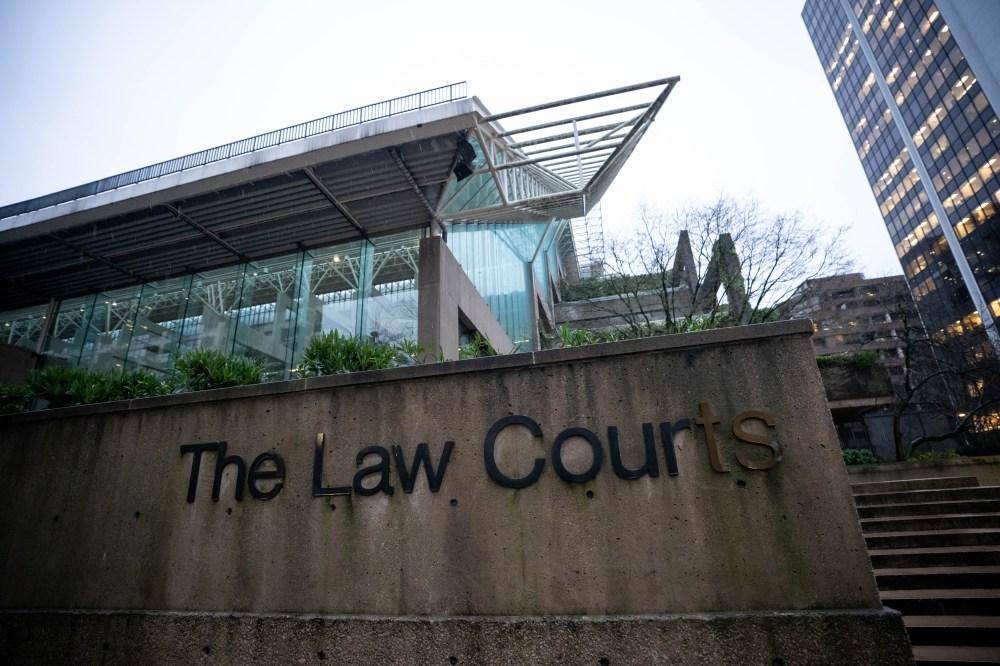
B.C.’s privacy commissioner ordered the company to stop offering its facial recognition services in 2021 and delete the information because it used images collected from residents without their consent.
The company filed a judicial review in B.C. Supreme Court, but the judge rejected its claim that provincial laws didn’t apply to Clearview, finding that its collection of online facial data from people in B.C. “constitutes a real and substantial connection between it and the province.”
Clearview’s lawyers did not immediately respond to a request for comment on the court’s findings.
The ruling says the company argued the law shouldn’t extend beyond provincial boundaries, but the Appeal Court found the company’s claim that the act wasn’t “constitutionally inapplicable to it means that it, and any other company that acquires personal information on the internet using a global search engine, would be immune from domestic privacy laws.”
“This would significantly compromise the ability of jurisdictions such as B.C. to protect personal information on the internet,” the ruling says.
This report by The Canadian Press was first published Feb. 19, 2026.