
How sticky-fingered thieves use hot glue to find break-in targets in Vancouver
Advertisement
Read this article for free:
or
Already have an account? Log in here »
We need your support!
Local journalism needs your support!
As we navigate through unprecedented times, our journalists are working harder than ever to bring you the latest local updates to keep you safe and informed.
Now, more than ever, we need your support.
Starting at $15.99 plus taxes every four weeks you can access your Brandon Sun online and full access to all content as it appears on our website.
Subscribe Nowor call circulation directly at (204) 727-0527.
Your pledge helps to ensure we provide the news that matters most to your community!
To continue reading, please subscribe:
Add Brandon Sun access to your Free Press subscription for only an additional
$1 for the first 4 weeks*
*Your next subscription payment will increase by $1.00 and you will be charged $20.00 plus GST for four weeks. After four weeks, your payment will increase to $24.00 plus GST every four weeks.
Read unlimited articles for free today:
or
Already have an account? Log in here »
VANCOUVER – Police in Vancouver are warning apartment residents of thieves using strands of hot glue to select which units they will break into.
Vancouver police say that 10 apartment units in five separate buildings in the city and nearby Burnaby reported such break-and-enters between Aug. 9 and Dec. 24 of last year.
Police say the suspects begin by entering the buildings at nighttime and applying hot glue to the top corner of the units’ doors, stretching strands of glue between the door and the frame.
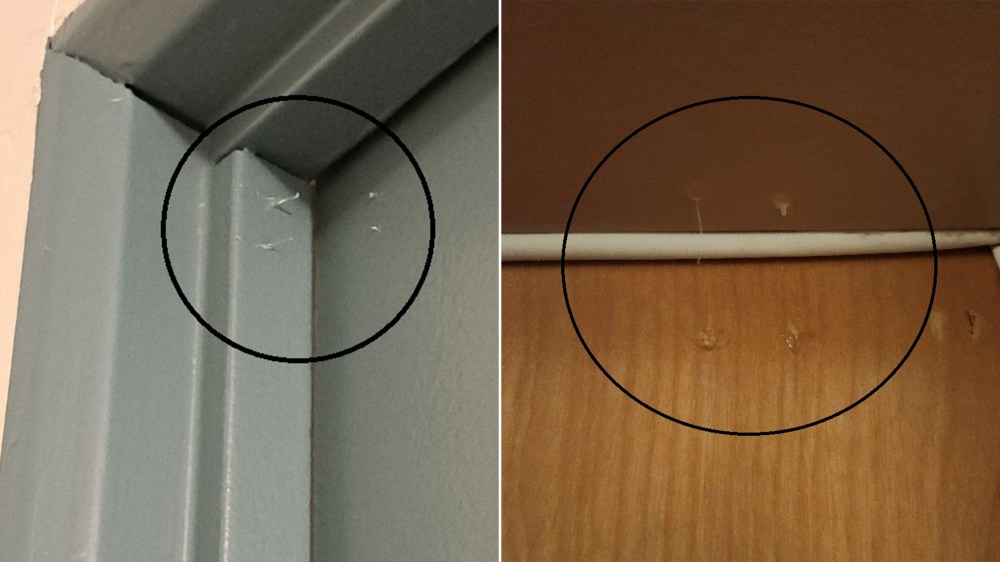
Investigators say the thieves return later to inspect the doors, checking if the strands are broken, indicating that the door has been opened and the unit is occupied.
Units where the glue strands were intact were then broken into after a few days.
Police say similar cases have been reported in Ontario and Alberta, and investigators believe the suspects are targeting older apartment buildings that have “limited” security measures.
This report by The Canadian Press was first published March 3, 2026.