
OpenAI pulls the plug on Sora, the viral AI video app that sparked deepfake concerns
Advertisement
Read this article for free:
or
Already have an account? Log in here »
We need your support!
Local journalism needs your support!
As we navigate through unprecedented times, our journalists are working harder than ever to bring you the latest local updates to keep you safe and informed.
Now, more than ever, we need your support.
Starting at $15.99 plus taxes every four weeks you can access your Brandon Sun online and full access to all content as it appears on our website.
Subscribe Nowor call circulation directly at (204) 727-0527.
Your pledge helps to ensure we provide the news that matters most to your community!
To continue reading, please subscribe:
Add Brandon Sun access to your Free Press subscription for only an additional
$1 for the first 4 weeks*
*Your next subscription payment will increase by $1.00 and you will be charged $20.00 plus GST for four weeks. After four weeks, your payment will increase to $24.00 plus GST every four weeks.
Read unlimited articles for free today:
or
Already have an account? Log in here »
SAN FRANCISCO (AP) — OpenAI is shutting down its social media app Sora, which went viral last fall as a place to share short-form videos generated by artificial intelligence but also raised alarms in Hollywood and elsewhere.
OpenAI said in a brief social media message Tuesday that it was “saying goodbye to the Sora app” and that it would share more soon about how to preserve what users already created on the app.
“What you made with Sora mattered, and we know this news is disappointing,” it said.
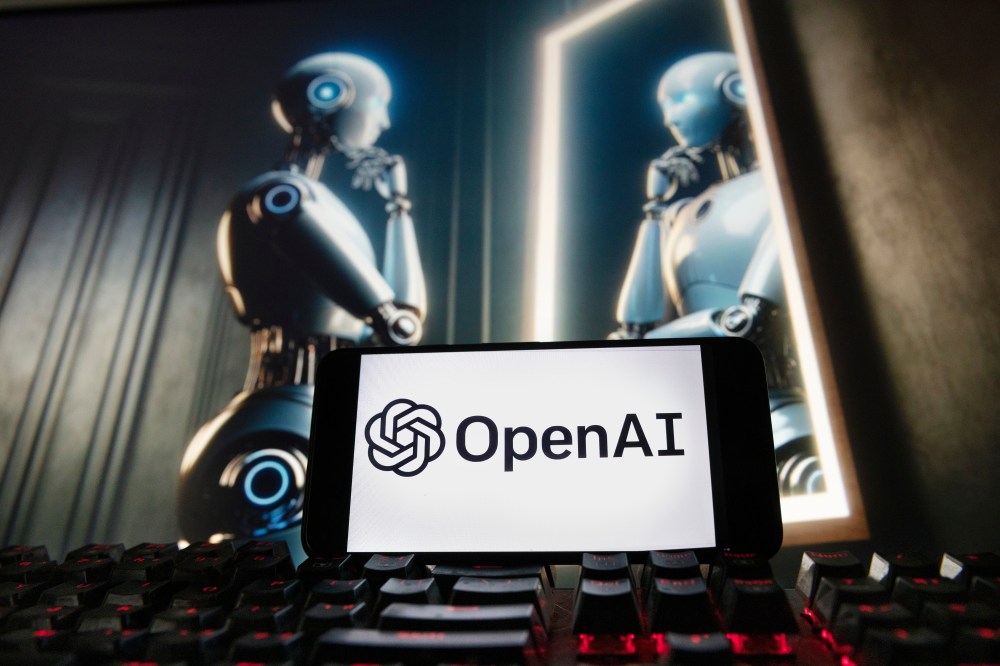
The company behind ChatGPT released Sora in September as an attempt to capture the attention, and potentially advertising dollars, that follow short-form videos on TikTok, YouTube or Meta-owned Instagram and Facebook.
But a growing chorus of advocacy groups, academics and experts expressed concern about the dangers of letting people create AI videos on just about anything they can type into a prompt, leading to the proliferation of nonconsensual images and realistic deepfakes in a sea of less harmful “AI slop.”
OpenAI was forced to crack down on AI creations of public figures — among them, Michael Jackson, Martin Luther King Jr. and Mister Rogers — doing outlandish things, but only after an outcry from family estates and an actors’ union.
Disney, which made a deal with OpenAI last year to bring its characters to Sora, said in a statement Tuesday that it respects “OpenAI’s decision to exit the video generation business and to shift its priorities elsewhere.”
“We appreciate the constructive collaboration between our teams and what we learned from it, and we will continue to engage with AI platforms to find new ways to meet fans where they are while responsibly embracing new technologies that respect IP and the rights of creators,” Disney’s statement said.