
Canada not worried U.S.-Mexico trade talks will upend trilateral deal, LeBlanc says
Advertisement
Read this article for free:
or
Already have an account? Log in here »
We need your support!
Local journalism needs your support!
As we navigate through unprecedented times, our journalists are working harder than ever to bring you the latest local updates to keep you safe and informed.
Now, more than ever, we need your support.
Starting at $15.99 plus taxes every four weeks you can access your Brandon Sun online and full access to all content as it appears on our website.
Subscribe Nowor call circulation directly at (204) 727-0527.
Your pledge helps to ensure we provide the news that matters most to your community!
To continue reading, please subscribe:
Add Brandon Sun access to your Free Press subscription for only an additional
$1 for the first 4 weeks*
- Enjoy unlimited reading on brandonsun.com
- Read the Brandon Sun E-Edition, our digital replica newspaper
*Your next Free Press subscription payment will increase by $1.00 and you will be charged $20.95 plus GST for four weeks. After four weeks, your payment will increase to $24.95 plus GST every four weeks.
Read unlimited articles for free today:
or
Already have an account? Log in here »
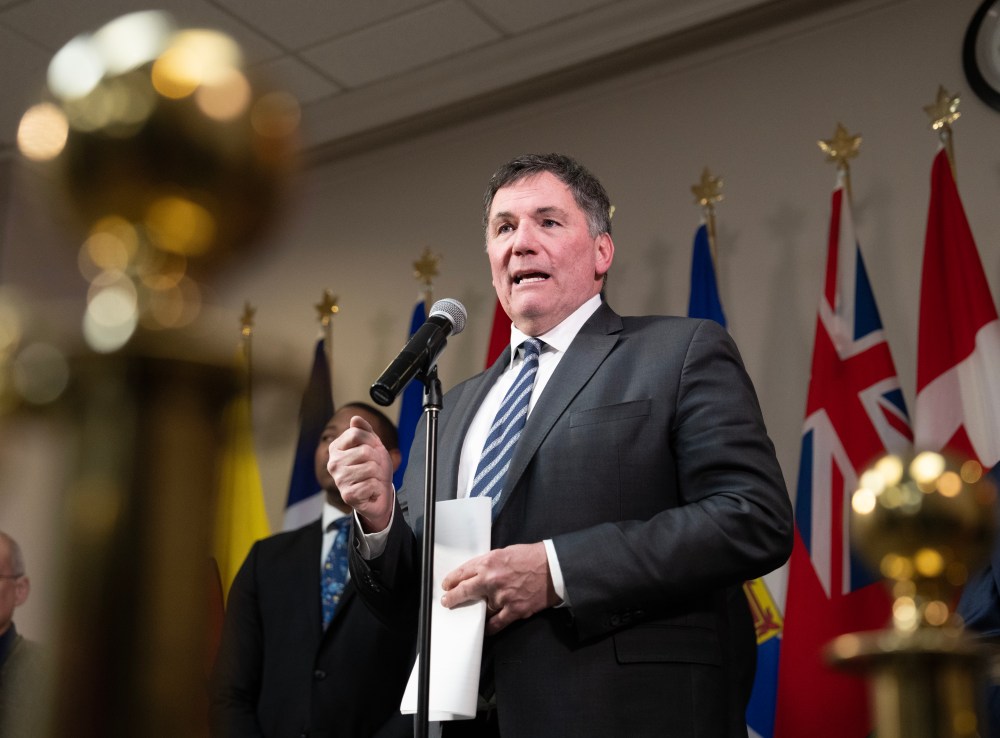
OTTAWA – Canada-U.S. Trade Minister Dominic LeBlanc said on Monday he isn’t worried Mexico will sign a trade agreement with the Americans that excludes Canada.
LeBlanc told reporters at a news conference that the Mexicans are also committed to a trilateral deal as the countries work to renew the Canada-U.S.-Mexico Agreement on trade, better known as CUSMA.
“We’ve also said all along that there will be a bilateral element to these discussions and there will also be a trilateral element,” he said.
“The American administration and our government and the Mexicans have also been clear that there are bilateral issues that properly will be worked on together by two countries and it will necessarily form part of the discussion around the trilateral review of CUSMA as well.”
Mexico and the U.S. have started formal talks ahead of a July deadline, and earlier this month U.S. Trade Representative Jamieson Greer said talks with Canada were lagging behind.
The CUSMA review sets up a three-way choice for each country to make in July. They can renew the deal for another 16 years, withdraw from it or signal both non-renewal and non-withdrawal — which would trigger an annual review that could keep negotiations going for up to a decade.
LeBlanc was not clear about what kind of talks are underway on the Canadian side, telling reporters conversations with U.S. counterparts are productive and the tone has changed since October, when U.S. President Donald Trump cut off negotiations.
LeBlanc led a large trade mission to Mexico last month and a Mexican trade delegation is set to travel to Canada in May.
The minister also said the Canadian government’s stance on the war in Iran has not come up in the trade talks.
“The good news is in my conversations with U.S. officials, this has not been an impediment at all,” he said.
LeBlanc spoke after a meeting Monday in Ottawa with his provincial and territorial counterparts to discuss internal trade barriers.
The relationship between Canada and the United States has been upended during the second Trump administration by the president’s tariffs and threats of annexation.
While CUSMA is up for review this year, the future of the continental trade agreement has been left in doubt by Trump. He has called CUSMA irrelevant and has said it may have served its purpose.
Greer has floated the idea of abandoning the trade pact in favour of two separate bilateral agreements with America’s closest neighbours.
Greer has also complained Canadians maintain barriers that make it difficult to hold bilateral trade talks, including provincial bans on U.S. alcohol.
LeBlanc said he has spoken to provincial colleagues and premiers about the matter of liquor sales.
“We don’t speak for provinces in their jurisdiction. They can make the decisions they want. I’ve explained that to Ambassador Greer and to Secretary (Howard) Lutnick,” he said.
The provinces, territories and federal government signed an internal trade agreement last year to bring down trade barriers and allow businesses to sell their products across Canada.
LeBlanc said trade ministers agreed Monday to expand the agreement to include services, noting labour mobility is a “constant challenge,” particularly with respect to skilled trades.
Certain types of goods are not covered by the agreement. They include food, live animals, alcoholic beverages, cannabis, tobacco and plants.
The Canadian Federation of Independent Business said in a statement Monday that ensuring that goods and services approved in one province or territory can be sold in others will help small businesses grow, reduce costs and offer greater choice to consumers.
“The next phase should prioritize expanding mutual recognition to food and alcohol products, which continue to face significant barriers across provincial borders,” said Keyli Loeppky, CFIB director of Alberta and interprovincial affairs.
“Removing these remaining obstacles will further strengthen Canada’s economy and unlock new opportunities for small businesses and consumers alike.”
This report by The Canadian Press was first published March 30, 2026.
—With files from Kelly Geraldine Malone