
Pig control efforts to include DNA testing
Advertisement
Read this article for free:
or
Already have an account? Log in here »
We need your support!
Local journalism needs your support!
As we navigate through unprecedented times, our journalists are working harder than ever to bring you the latest local updates to keep you safe and informed.
Now, more than ever, we need your support.
Starting at $15.99 plus taxes every four weeks you can access your Brandon Sun online and full access to all content as it appears on our website.
Subscribe Nowor call circulation directly at (204) 727-0527.
Your pledge helps to ensure we provide the news that matters most to your community!
To continue reading, please subscribe:
Add Brandon Sun access to your Free Press subscription for only an additional
$1 for the first 4 weeks*
- Enjoy unlimited reading on brandonsun.com
- Read the Brandon Sun E-Edition, our digital replica newspaper
*Your next Free Press subscription payment will increase by $1.00 and you will be charged $20.95 plus GST for four weeks. After four weeks, your payment will increase to $24.95 plus GST every four weeks.
Read unlimited articles for free today:
or
Already have an account? Log in here »
Assiniboine College applied researchers and a population control group are teaming up to expand efforts of invasive pig tracking in the countryside this summer.
Squeal on Pigs, which searches for invasive pigs and euthanizes them, invested roughly $60,000 last year in a DNA program to upgrade its pursuit of invasive pigs, said project co-ordinator Wayne Lees. The organization partnered with researchers at Assiniboine College to prepare technology that tests water features, such as streams, for pig DNA.
The organization hopes that the program will allow staff to track swine in remote locations where sightings may never take place. Squeal on Pigs has relied on reported sightings as the jumping-off point for population control efforts in the past.
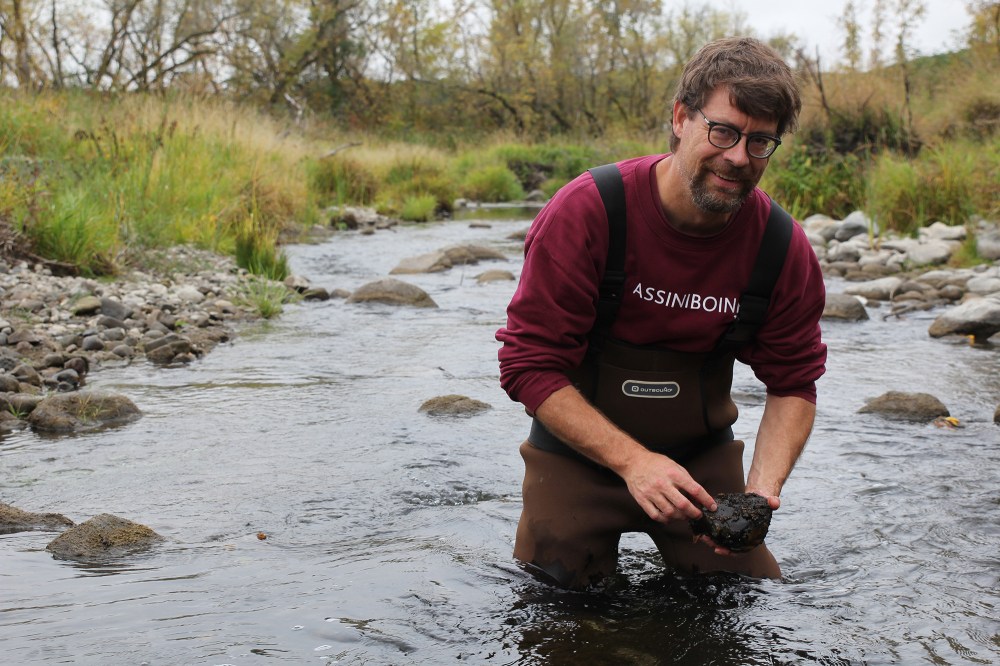
“We want to be able to determine if there are likely wild pigs in an area where not many people tend to inhabit or live,” Lees said. “This is a way that we can screen areas that are a bit more remote to see if we can identify if wild pigs are likely to be there.”
A positive ID on pig DNA would probably lead to follow-ups such as trail camera installations to find where the pigs reside and where they spend time, he said. Efforts to remove the pigs would follow.
Wild pigs threaten animal, environmental and human health, agriculture minister Ron Kostyshyn said in 2024 when he announced $2.6 million over four years for Squeal on Pigs. Pigs are known to spoil water sources and wetlands as they mix around to cool off, defecate in the water, and spread parasites to domestic pigs, livestock, humans, pets and other wildlife. They can also cause damage to crops.
The newest addition to Squeal on Pigs’ population control efforts — the DNA testing — will be able to catch very small traces like skin cells, saliva, blood, urine and feces in water sources, said James Hood, an instructor involved with the applied research at Assiniboine College during s recent interview. Because the method focuses on water, it can be very efficient, he said.
“So instead of actually having to be where the pig was, you can be anywhere downstream of where that pig was,” Hood said. “That gives us a bigger area to start our screening process from, so you don’t actually have to see (the pig). You can just see the results as they move downstream, just because water moves through the environment.”
Positive ID can occur up to 16 kilometres downstream in some cases, and up to 14 days after a sample was left, he said, following testing last summer. Success in detecting the DNA was achieved about 70 per cent of the time.
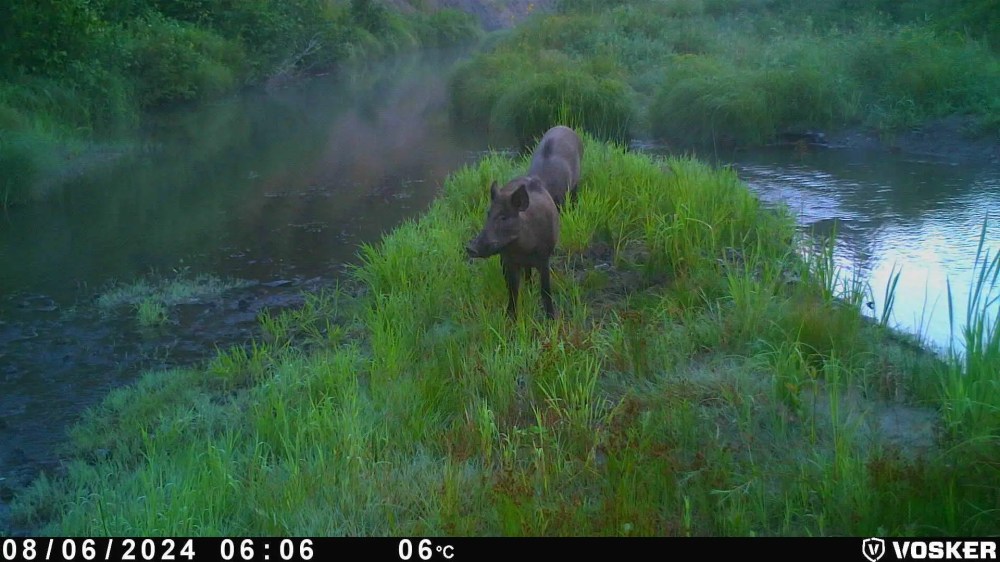
The goal this summer is for teams to check four or five water sites per day, as the equipment can be moved daily to several locations, Hood added. Teams have access to watershed maps that detail the locations that DNA could have come from upstream, helping to refine search efforts if a test comes back positive, he said.
The DNA testing is another tool in the toolkit that comes after Squeal on Pigs added heat-seeking drones to its arsenal in recent years.
Lees said he has learned that multiple tools are needed to find pigs successfully. The water testing serves as a broader-scale starting point that will inform the organization on where to invest time and energy.
“We use this as a screening tool so that we’re actually focusing our efforts on where we’re most likely to find the wild pigs. For instance, if we go into a watershed and we take some samples, and through repeated sampling, we can find no evidence of wild pigs, then we’re not wasting our time doing enhanced detection efforts in those areas versus other areas where we think are more promising that we’ll find the pigs,” Lees said.
Lees believes the technology will be ready to be deployed this year. As Squeal on Pigs continues its elimination of invasive pigs, Lees said that it becomes harder and harder to locate the remaining pigs. This extra tool will increase search potential.
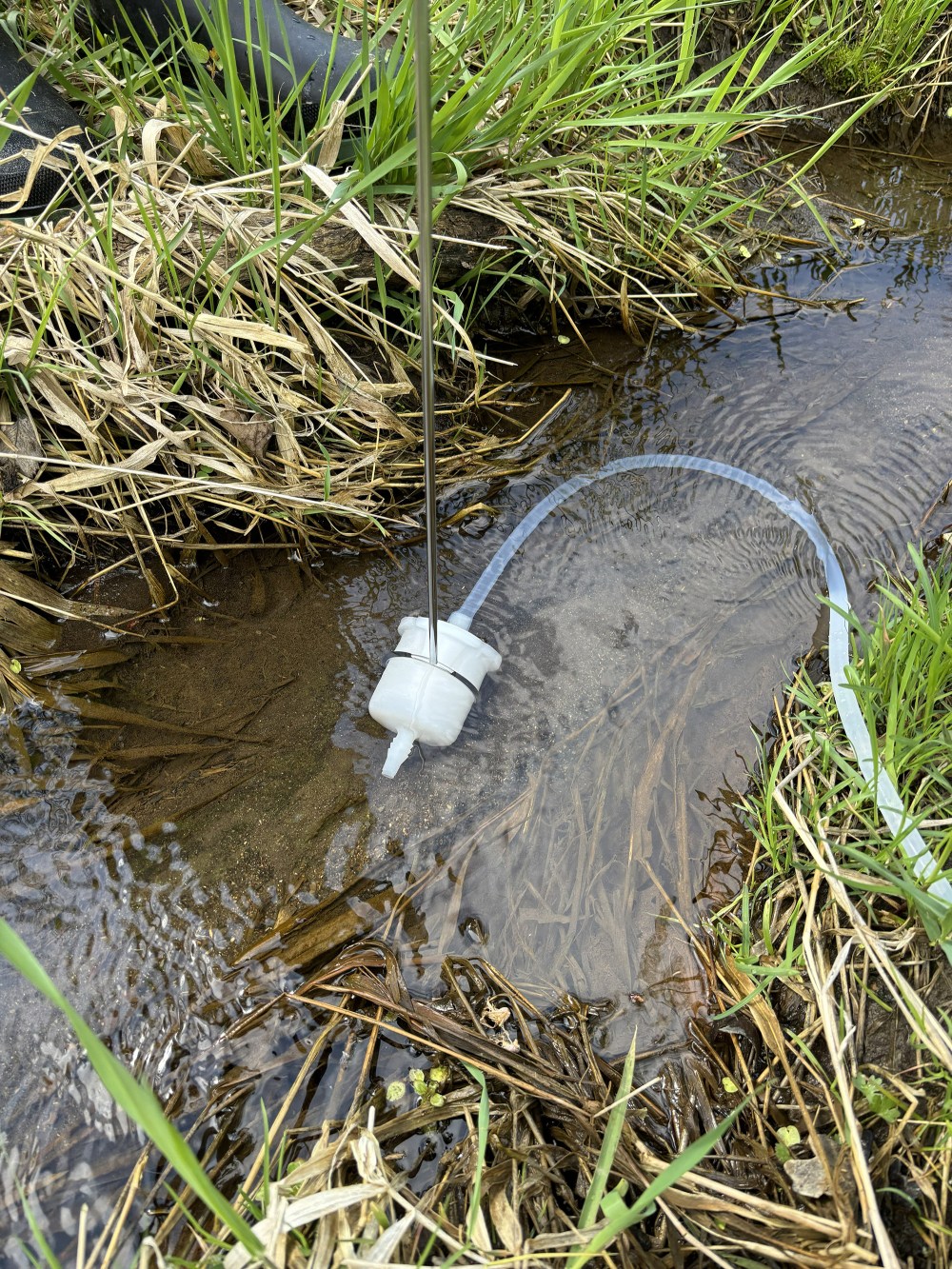
There are some regions of Spruce Woods Provincial Park that the group is focusing efforts around today, he said.
Squeal on Pigs has increased its catch of wild pigs every year for four years. It removed 206 pigs last year, with a large part of that activity occurring in the winter. In 2024, Squeal of Pigs field technician Devon Baete told the Sun that thermal drones had become a crucial tool for finding pigs in the countryside, providing a lens to see the animal through cover such as corn stalks.
Workers use information from drones to identify patterns of behaviour, which informs them to lay traps in areas that have been identified as places that the pigs feed or take shelter.
In 2025, Lees said the organization was beginning to “zero in” on the animal, such as where it reproduces, how it behaves, and what patterns work best to intercept them. The group constantly operates roughly 30 traps, along with 100 cameras.
Ryan Brook, a professor at University of Saskatchewan who has researched wild pigs for more than a decade, told the Sun last year that pigs flourish because they reproduce year-round and generally accept nearly anything as food. In his opinion, the established pig population across the prairies would be difficult, if not impossible to eradicate.
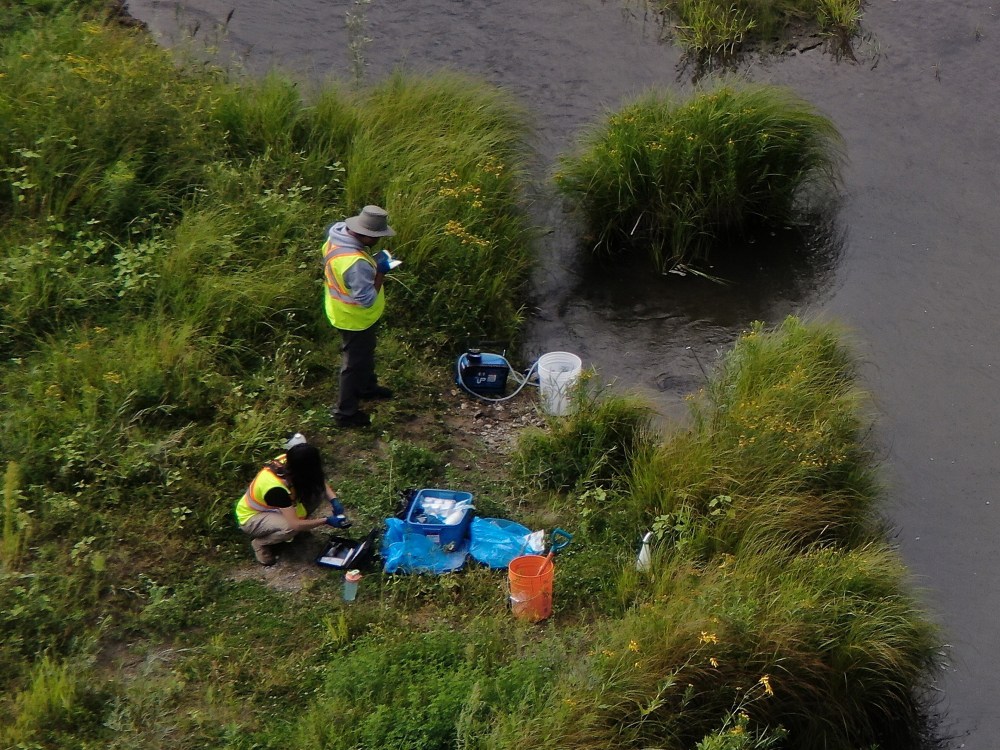
Lees disagreed at the time. He said that eradication of the invasive pigs is possible with consistent, dedicated work and ongoing monitoring.
» cmcdowell@brandonsun.com