
Clicks and clacks, rhythms and beats: The tap shoe
Advertisement
Read this article for free:
or
Already have an account? Log in here »
We need your support!
Local journalism needs your support!
As we navigate through unprecedented times, our journalists are working harder than ever to bring you the latest local updates to keep you safe and informed.
Now, more than ever, we need your support.
Starting at $15.99 plus taxes every four weeks you can access your Brandon Sun online and full access to all content as it appears on our website.
Subscribe Nowor call circulation directly at (204) 727-0527.
Your pledge helps to ensure we provide the news that matters most to your community!
To continue reading, please subscribe:
Add Brandon Sun access to your Free Press subscription for only an additional
$1 for the first 4 weeks*
- Enjoy unlimited reading on brandonsun.com
- Read the Brandon Sun E-Edition, our digital replica newspaper
*Your next Free Press subscription payment will increase by $1.00 and you will be charged $20.95 plus GST for four weeks. After four weeks, your payment will increase to $24.95 plus GST every four weeks.
Read unlimited articles for free today:
or
Already have an account? Log in here »
You’ll never say you didn’t hear them coming: tap shoes, where plates are added to the soles allowing the wearer to make music with each step. They’re the required equipment for the syncopated beats and rhythms of tap, which has been dubbed America’s dance.
The development of the click-clacking, feet-as-instruments art form traces its roots to a blend of different cultural influences.
The percussive element came from the traditions of enslaved people brought to the southern United States from central Africa. In the 18th century, when they weren’t allowed to play musical instruments by plantation owners, they used the rhythmic stomping of their feet as a way to stay connected to their cultures.
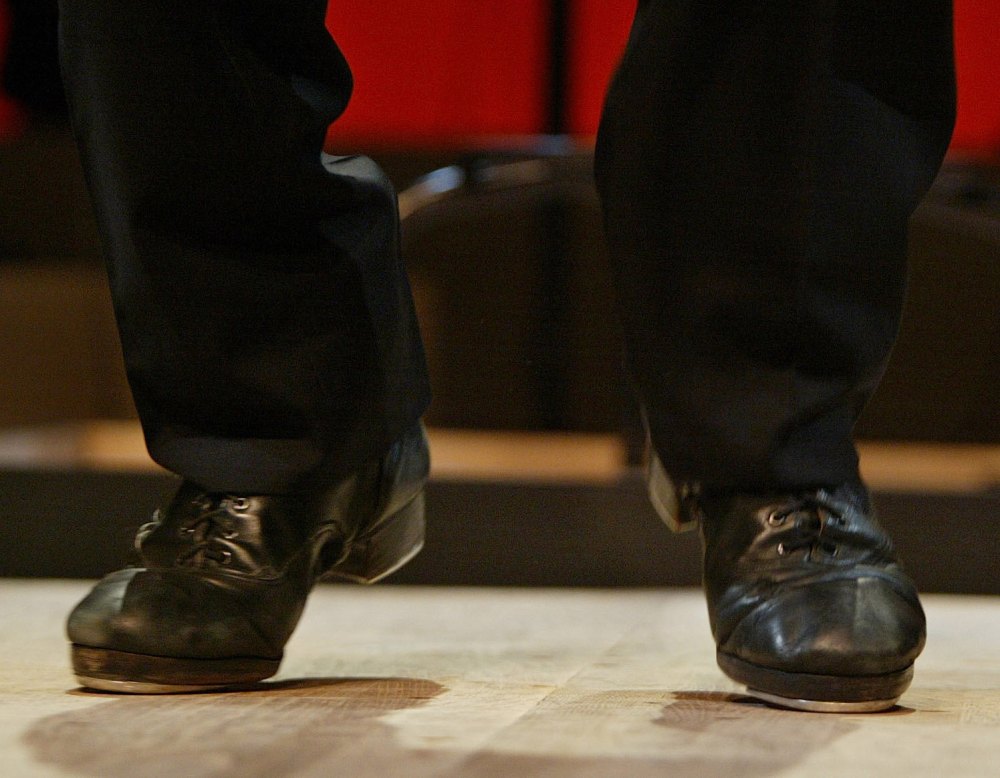
Over time, that blended with the fast footwork of dancing styles brought to America by immigrant groups, like Irish step dancing and English and Welsh clog dancing, to evolve into tap. Before metal plates on the bottom of shoes became standard, dancers attached objects like nails or coins to make their sounds.
Tap became popular to watch as entertainment, as in the early 20th century when vaudeville variety shows grew in popularity and Bill “Bojangles” Robinson became one of the few Black men to perform without a white partner in a segregated era.
It became a staple of movies in the middle of the century, with stars like Gene Kelly, Fred Astaire, the Nicholas brothers and Shirley Temple showing their tap skills on the silver screen. It faded from that level of popularity as the 20th century came to a close, but still had bright stars and moments, including dancers Gregory Hines and Savion Glover and in the movie “Happy Feet.”
___
Part of a recurring series, “American Objects,” marking the 250 anniversary of the United States.