
AFN chief warns against changes to major projects development rules, calls for debate
Advertisement
Read this article for free:
or
Already have an account? Log in here »
We need your support!
Local journalism needs your support!
As we navigate through unprecedented times, our journalists are working harder than ever to bring you the latest local updates to keep you safe and informed.
Now, more than ever, we need your support.
Starting at $15.99 plus taxes every four weeks you can access your Brandon Sun online and full access to all content as it appears on our website.
Subscribe Nowor call circulation directly at (204) 727-0527.
Your pledge helps to ensure we provide the news that matters most to your community!
To continue reading, please subscribe:
Add Brandon Sun access to your Free Press subscription for only an additional
$1 for the first 4 weeks*
- Enjoy unlimited reading on brandonsun.com
- Read the Brandon Sun E-Edition, our digital replica newspaper
*Your next Free Press subscription payment will increase by $1.00 and you will be charged $20.95 plus GST for four weeks. After four weeks, your payment will increase to $24.95 plus GST every four weeks.
Read unlimited articles for free today:
or
Already have an account? Log in here »
OTTAWA – The national chief of the Assembly of First Nations says proposed changes to major project development rules are “not acceptable” and risk trampling on the rights of First Nations.
The federal government is proposing to grant authority to review interprovincial pipelines and transmission lines, and offshore renewable energy projects, to the Canada Energy Regulator instead of the Impact Assessment Agency of Canada.
The proposal, which will undergo a 30-day consultation process, would undo the move the Liberals made eight years ago to create the Impact Assessment Agency as a one-stop shop for all national project reviews.
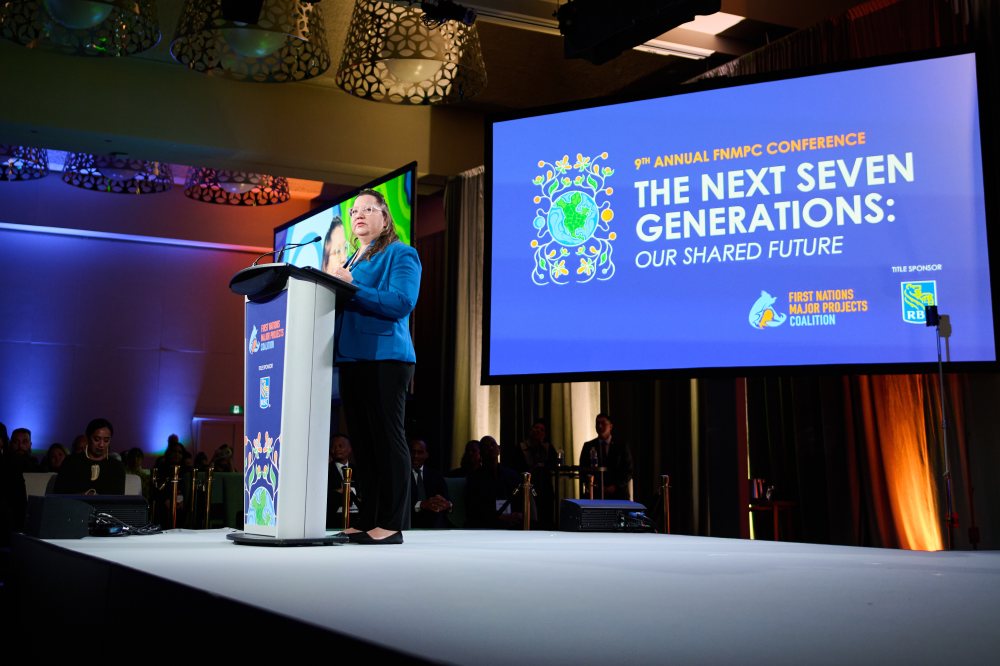
National Chief Cindy Woodhouse Nepinak told The Canadian Press the proposed changes “demonstrate a pattern of exclusion” and she rejects the compressed timeline to submit feedback.
“I think the rush here should be why do First Nations kids not have water?” Woodhouse Nepinak said. “Focus on that.”
Ottawa also plans to create a Crown consultation hub within the Impact Assessment Agency to better co-ordinate consultation efforts with Indigenous communities.
The discussion paper says the government “has heard from Indigenous Peoples that the consultation process for major projects needs to be improved to avoid consultation fatigue.”
Woodhouse Nepinak said there hasn’t been enough consultation with First Nations on major projects to date, and that the government risks making the situation worse if it proceeds without engaging with community leadership.
“They have to make sure that they have full parliamentary committee meetings, which means hearing from First Nations fully and not shutting them out,” she said, adding the federal government will not fulfil its duty to consult unless a process is established with First Nations rights-holders.
“Over generations, First Nations have been disproportionately impacted by extractive natural resources development activities. We have been excluded from decisions that impact inherent First Nations and treaty rights and excluded from revenue-sharing and benefits agreements,” she said.
“That’s not an option anymore.”
Woodhouse Nepinak said “nothing’s off the table” when it comes to how First Nations will respond if they’re not meaningfully engaged.
The former environment minister who helped to create the Impact Assessment Agency told The Canadian Press this week the changes the government is proposing could end up putting project development at risk.
“I’m not saying you couldn’t improve the process. But trying to jam through projects and making major changes, similar to what we saw under Stephen Harper, isn’t going to do that. It’s not,” said Catherine McKenna, who served as environment minister in 2018 under Prime Minister Justin Trudeau.
The changes would effectively unravel parts of C-69, which was created to overhaul major project reviews. The goal of the legislation was to expedite project reviews and provide confidence and clarity for both Indigenous consultations and environmental impact reviews.
McKenna, who left government in 2021 and now chairs a net-zero advisory group to the UN secretary-general, said the proposed changes will backfire.
“It’s going to result in a lack of trust, it’s going to result in protests and it’s going to result in lawsuits,” she said. “And that’s going to be a lot slower and it’s going to be a lot more divisive.”
C-69 was introduced and debated as the government was facing two controversial pipeline projects — the proposed Northern Gateway pipeline from Alberta to the northern B.C. coast and the expansion of the Trans Mountain pipeline. Both projects were mired in legal challenges over Indigenous consultation and environmental impacts.
First Nations policy analyst Russ Diabo said First Nations “shouldn’t be fooled” by the federal government’s moves.
“They are out to take advantage of First Nations and First Nations lands, territories and resources,” he said in a written statement to The Canadian Press.
“Carney keeps referring to benefits and opportunities, meaning financial colonialism in the form of loans and equity ownership, not free, prior and informed consent in planning and management of Aboriginal title and/or historic treaty territories.”
This report by The Canadian Press was first published May 15, 2026.
— With files from Nick Murray