
City to consider Indigenous naming policy
Advertisement
Read this article for free:
or
Already have an account? Log in here »
We need your support!
Local journalism needs your support!
As we navigate through unprecedented times, our journalists are working harder than ever to bring you the latest local updates to keep you safe and informed.
Now, more than ever, we need your support.
Starting at $15.99 plus taxes every four weeks you can access your Brandon Sun online and full access to all content as it appears on our website.
Subscribe Nowor call circulation directly at (204) 727-0527.
Your pledge helps to ensure we provide the news that matters most to your community!
To continue reading, please subscribe:
Add Brandon Sun access to your Free Press subscription for only an additional
$1 for the first 4 weeks*
- Enjoy unlimited reading on brandonsun.com
- Read the Brandon Sun E-Edition, our digital replica newspaper
*Your next Free Press subscription payment will increase by $1.00 and you will be charged $20.95 plus GST for four weeks. After four weeks, your payment will increase to $24.95 plus GST every four weeks.
Read unlimited articles for free today:
or
Already have an account? Log in here »
The City of Brandon will explore implementing an Indigenous naming policy, council has decided.
The motion by Coun. Kris Desjarlais came last week as council agreed to give Indigenous names — Oeti and Shunkawakan Onazin — to two city-owned parcels of land on the banks of the Assiniboine River.
In the Dakota language, Oeti means “a place for camping,” while Shunkawakan Onazin means “horse pasture.”
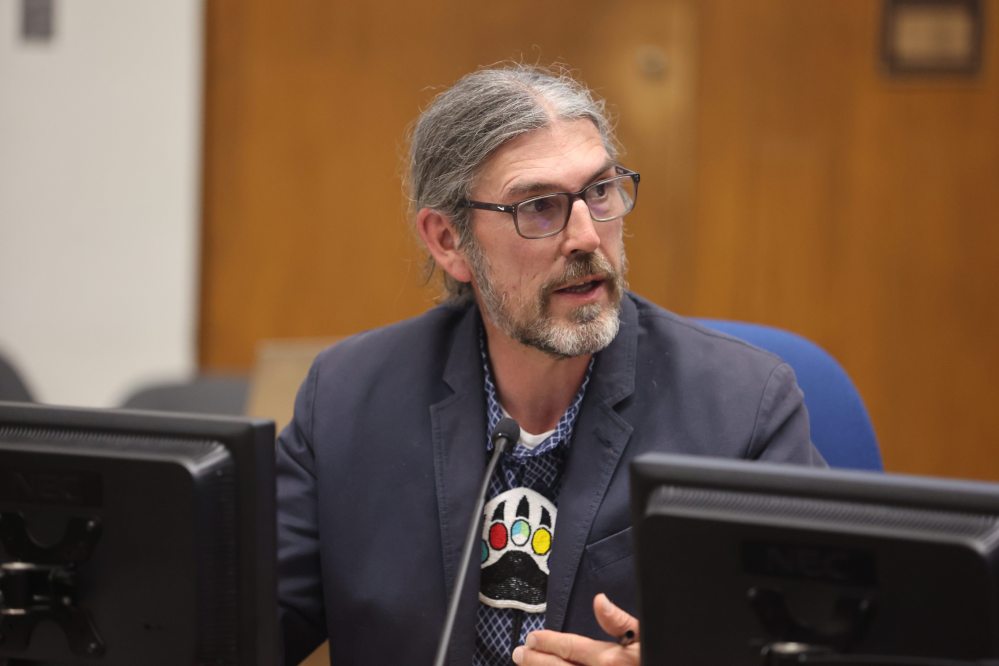
In a followup interview on Monday, Desjarlais (Ward 2) said it’s important for the city to create a protocol or process for how it would go about engaging with First Nation and Métis communities and partners around the naming of spaces and areas.
The process, he said, could include speaking with elders and leaders of the region’s First Nations, along with Métis and Michif elders.
“It’s just an example of us making sure that we’re considering the many nations who live and work and play and have been here before colonization, and that we go about it in a good way,” Desjarlais said.
The policy would determine what places or things should have Indigenous names, and in what situations the protocol should or shouldn’t be used, he said.
It could also mean consulting with elders and leaders when a new name needs to be chosen, he added.
While the plan he outlined still needs to be fully approved by council, Desjarlais, who is leaving council in October at the end of his term, said he “of course” thinks it will be finalized.
He said there will be good conversations if stakeholders get together.
“There will be good dialogue and healthy dialogue about that, about what that looks like, about why we would name things and who we would engage with, and when and what is worthy of naming and not,” he said.
“Those are all things that would be questions and considerations that the group that makes those decisions would come up with.”
Susie McPherson Derendy, a knowledge keeper at Brandon University and a counsellor at the Brandon Friendship Centre, said a policy is important because there is a tendency to see things from a western lens, which diminishes Indigenous nations that are here.
The policy is also important to find a balance on the Truth and Reconciliation Commission’s calls to action.
“We live in a western world, a predominantly western-worldview society, but we need to balance that with the Indigenous people that were here and others who are coming,” McPherson Derendy said.
If the policy does get implemented and more Indigenous names appeared in the city, she said they would serve as reminders for people who see the names and would help with learning.
More Indigenous names, she added, would help people remember the past. She said she can still remember “God Save the Queen” and “The Lord’s Prayer” because they were constant reminders as people recited them every day.
If the policy were to be implemented, she said she would like to see names in several different languages that are represented in the area.
Will Goodon, the Manitoba Métis Federation’s southwest representative, called the proposed naming policy a good step forward and said it would help bring more awareness to people in Brandon.
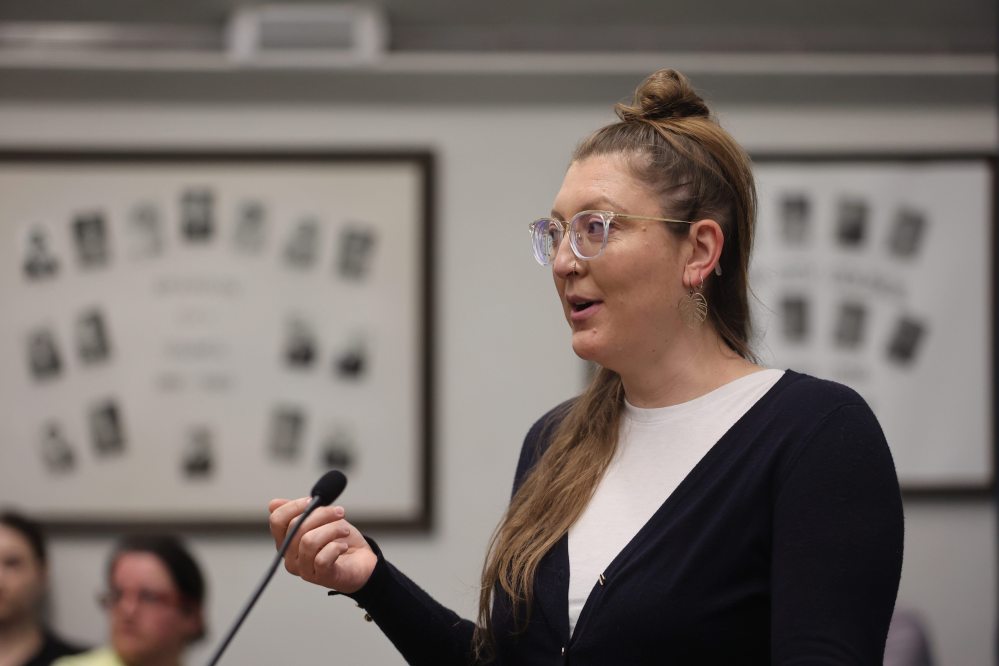
“I think it’s a good thing for us to have the conversation about,” Goodon said.
He said it’s important for people, whether they be Métis, Indigenous or other groups, to be represented.
“People need to see themselves in their own community, and then they can feel safe, and they can also be way more confident in calling it their own community.”
Aspects of local history should be part of the policy, he added.
The city currently has an Indigenous naming policy when it comes to street names for owners and developers, which directs them to “give special consideration” to names in the city’s approved street name list, “especially those of Indigenous descent to further truth and reconciliation.”
The names approved last week by council are for two protected areas south of the Assiniboine River.
Oeti Natural Area is situated west of 18th Street and north of the softball diamonds, while Shunkawakan Onazin Natural Area is the entire peninsula between the Red Willow Trail and First Street North.
Ingrid Gatin, who started working on the project two years ago as a city employee and now is employed at the Riverbank Discovery Centre, said she’s happy the naming process for the two parcels has gone through.
“Very happy to be kind of seeing the end of this project in the best way possible, a really great result,” said Gatin, Brandon Riverbank Inc.’s programming and community co-ordinator.
She said the naming is part of the city’s commitment to Indigenous reconciliation and supports the Truth and Reconciliation Commission’s calls to action.
The names were chosen after consultation with the Brandon Urban Aboriginal Peoples’ Council and elders from Brandon and Sioux Valley Dakota Nation, Gatin said.
The city’s administration did not grant an interview request on Tuesday to explain the next steps toward implementing a naming policy.
» alambert@brandonsun.com