
‘Close to my heart:’ Manitoba’s reconciliation judge says she’s the first in Canada
Advertisement
Read this article for free:
or
Already have an account? Log in here »
We need your support!
Local journalism needs your support!
As we navigate through unprecedented times, our journalists are working harder than ever to bring you the latest local updates to keep you safe and informed.
Now, more than ever, we need your support.
Starting at $15.99 plus taxes every four weeks you can access your Brandon Sun online and full access to all content as it appears on our website.
Subscribe Nowor call circulation directly at (204) 727-0527.
Your pledge helps to ensure we provide the news that matters most to your community!
To continue reading, please subscribe:
Add Brandon Sun access to your Free Press subscription for only an additional
$1 for the first 4 weeks*
- Enjoy unlimited reading on brandonsun.com
- Read the Brandon Sun E-Edition, our digital replica newspaper
*Your next Free Press subscription payment will increase by $1.00 and you will be charged $20.95 plus GST for four weeks. After four weeks, your payment will increase to $24.95 plus GST every four weeks.
Read unlimited articles for free today:
or
Already have an account? Log in here »
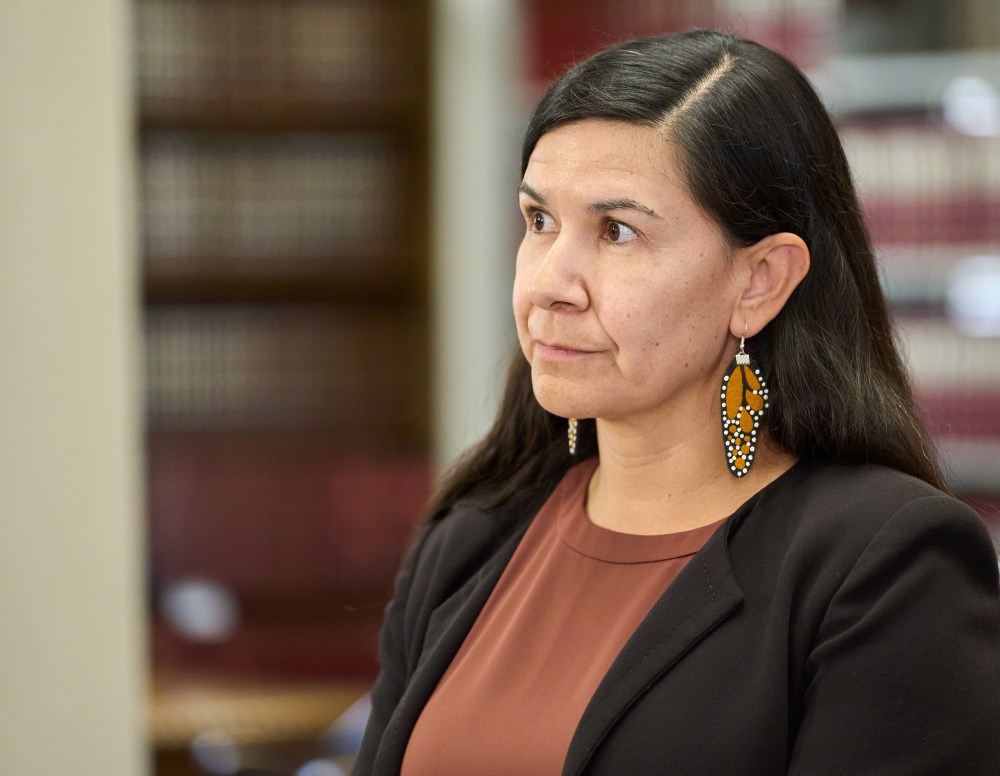
WINNIPEG – Jerilee Ryle has dedicated her career to advancing reconciliation in the justice system — starting as a Crown prosecutor and more recently as a Manitoba provincial court judge.
The Anishinaabe woman says she’ll continue this pursuit in her new position as the province’s first associate chief judge for reconciliation, a role she also believes is a first in Canada.
“I walk into this role with a clear understanding of the history we are working within, a system that for generations has caused significant harm to Indigenous Peoples,” Ryle said Friday at an announcement at the Winnipeg law courts building.
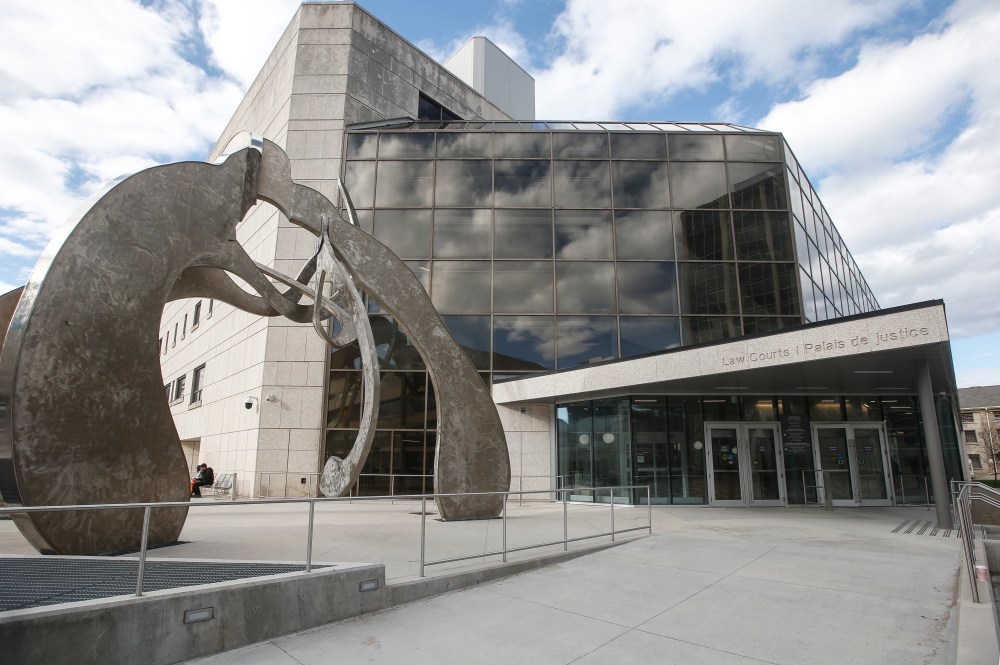
“At the same time, I carry a strong belief in the responsibility we share to do better and to move forward in a good way. The path ahead will not always be an easy one, but it is a necessary one.”
The job is to support the chief judge in managing court matters, deal with administrative responsibilities and help advance judicial education and develop policies.
Ryle’s special appointment will also see her working with First Nations, Inuit and Métis groups to find out how their perspectives can be reflected in the court process.
She is also tasked with examining how circuit courts operate in Manitoba communities and what changes can be made to better reflect Indigenous legal systems in these settings.
Ryle said she hopes other jurisdictions follow in creating the same positions.
The push for Manitoba came from provincial court Chief Judge Ryan Rolston. He said reconciliation has been top of mind for his colleagues but that large workloads limited headway the court could make.
The provincial court hears the majority of criminal cases in the province and serves more than 60 locations. Judges and lawyers also travel to about 40 Indigenous communities each month for hearings, with makeshift courtrooms set up in schools or community centres.
Rolston said Ryle brings deep experience and strong leadership to the position.
“Judge Ryle has demonstrated that she is respected and walks both in the Indigenous world and in the colonial legal world.”
Ryle, who is from Lake St. Martin First Nation, was appointed to the bench last year after working as a prosecutor and founding the Manitoba Prosecution Service’s Indigenous advisory council.
She has experience handling cases involving drug and firearm offences to domestic and sexual violence crimes.
Ryle said she’s “deeply humbled by the appointment.”
“It’s quite close to my heart. It is something that I got into law to help Indigenous peoples,” she said.
“Being able to have these opportunities to work alongside and empower Indigenous Peoples and communities, and with the goal of healing Indigenous communities and peoples, is certainly very impactful for me.”
Indigenous people continue to be overrepresented in the justice system in Manitoba.
About 78 per cent of adults in custody in the province identified as Indigenous for the year 2023-2024, data from Statistics Canada suggests. In 2021, Indigenous people accounted for 18 per cent of the total population in Manitoba.
Courts have acknowledged that, historically, western court structure has failed to recognize or welcome Indigenous legal systems, and they have aimed to correct this.
Eagle feathers were introduced permanently in 2019 for people to hold when swearing oaths and giving testimony. More recently, courts have allowed for ceremonies, including smudging, to take place in courtrooms before hearings.
A new Indigenous courtroom is also being built at the law courts building in Winnipeg, said Rolston. How it will function is still to be determined, he added.
The need for a colonial justice system remains, said Rolston, but that doesn’t mean there isn’t a way to incorporate Indigenous ways into processes, such as sentencing.
“The two systems can work and function very well together, if we can just start to open our mind to those things.”
The Assembly of Manitoba Chiefs applauded Ryle’s appointment, saying it reflects growing recognition that reconciliation requires meaningful action.
“We are confident she will make a significant contribution to ensuring Manitoba’s courts are more responsive, culturally informed and respectful of First Nations perspectives, traditions and lived experiences,” Grand Chief Kyra Wilson said in a statement.
Justice Minister Matt Wiebe called Ryle’s appointment a historic step toward building a court system that better reflects Indigenous traditions and values.
“The justice system as we know it has not always been fair to Indigenous people, and we’ve seen the legacy of colonialism in the overrepresentation of Indigenous people within our justice system,” he said.
“Reconciliation requires partnership and it requires listening to Indigenous leadership.”
Ryle is to begin her seven-year term in the role beginning July 2.
This report by The Canadian Press was first published June 19, 2026.