
Program ‘unique’ to BU, prof says
Forensic Anthropology Field School
Advertisement
Read this article for free:
or
Already have an account? Log in here »
We need your support!
Local journalism needs your support!
As we navigate through unprecedented times, our journalists are working harder than ever to bring you the latest local updates to keep you safe and informed.
Now, more than ever, we need your support.
Starting at $15.99 plus taxes every four weeks you can access your Brandon Sun online and full access to all content as it appears on our website.
Subscribe Nowor call circulation directly at (204) 727-0527.
Your pledge helps to ensure we provide the news that matters most to your community!
To continue reading, please subscribe:
Add Brandon Sun access to your Free Press subscription for only an additional
$1 for the first 4 weeks*
- Enjoy unlimited reading on brandonsun.com
- Read the Brandon Sun E-Edition, our digital replica newspaper
*Your next Free Press subscription payment will increase by $1.00 and you will be charged $20.95 plus GST for four weeks. After four weeks, your payment will increase to $24.95 plus GST every four weeks.
Read unlimited articles for free today:
or
Already have an account? Log in here »
Students at Brandon University will have the opportunity to learn from one of the country’s leading forensic experts this summer when they head to the Brandon Hills Wildlife Management Area Trailhead for field training.
The Forensic Anthropology Field School offered through the university closely simulates a forensic case for students to learn forensic work professionally and ethically; from the search, to excavation, to analysis.
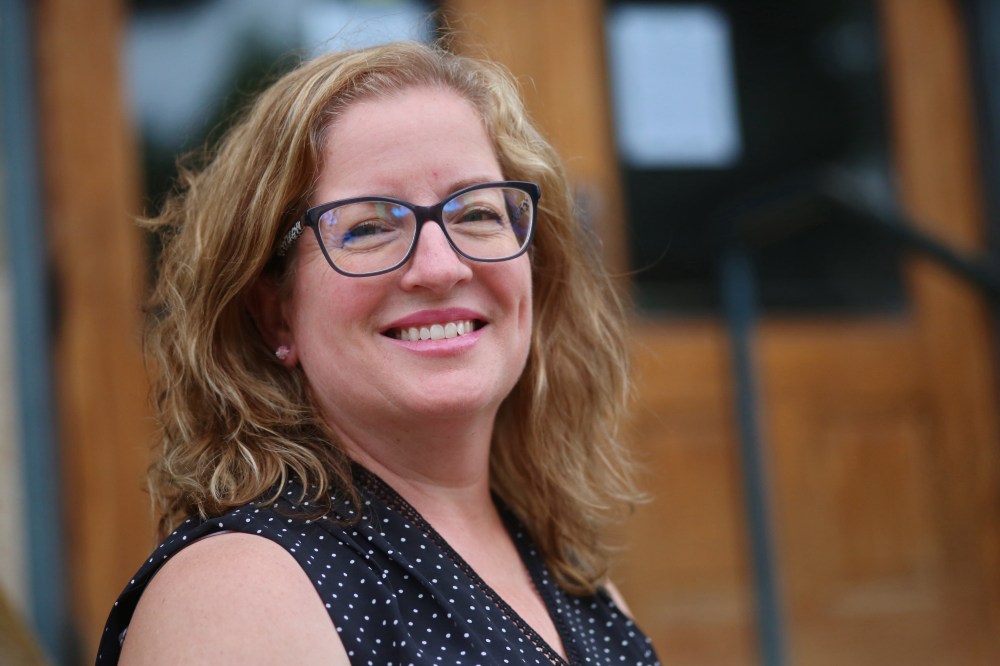
“It’s unique at Brandon University to have undergraduate students participate in active forensic cases, and so my students at Brandon University have an incredible set of training before they even graduate,” said Emily Holland, who conceptualized the field school in 2020.
This year marks the third time the course has been offered.
As the only practising professional forensic anthropologist in Manitoba, Holland has vast field experience from which to teach. Holland took part in the investigation into serial killer Robert Pickton in B.C. as a field technician, and was a co-chair of the Indigenous-led sub-committee that studied the feasibility of searching the Prairie Green Landfill for the remains of two Indigenous women. She was also the search director of the excavation at the landfill site.
She is often contacted by RCMP for expert analysis on major crimes in the province, and BU students studying forensic work under her tutelage have the uncommon opportunity to assist on some of the cases she gets called to.
“I think there’s always an obligation to try if you have information about missing people and you have an idea of where they could be,” she said. “I think it’s important to try to search for them, but I think it is also important to temper expectations and to be very clear about the process that could be involved and the difficulty in having success,” she said.
RCMP Sgt. Morgan Page, who worked on homicide cases for 15 years, witnessed Holland manage working and teaching at the same time at the scene of a number of investigations.
“The experience that she brings for us, the RCMP, and then with her students, has been extremely impactful on our investigations and giving us answers that we might not otherwise get for victim families, which is extremely important to all of us,” Page said.
“She provides this level of service for the province that I think doesn’t get recognized as much as it should. It’s such a level of professionalism that, unless you see it in real life, it’s hard to really explain how professional and amazing she is.”
Holland says the field school can help students prepare for what it’s like to work on real-world forensic cases.
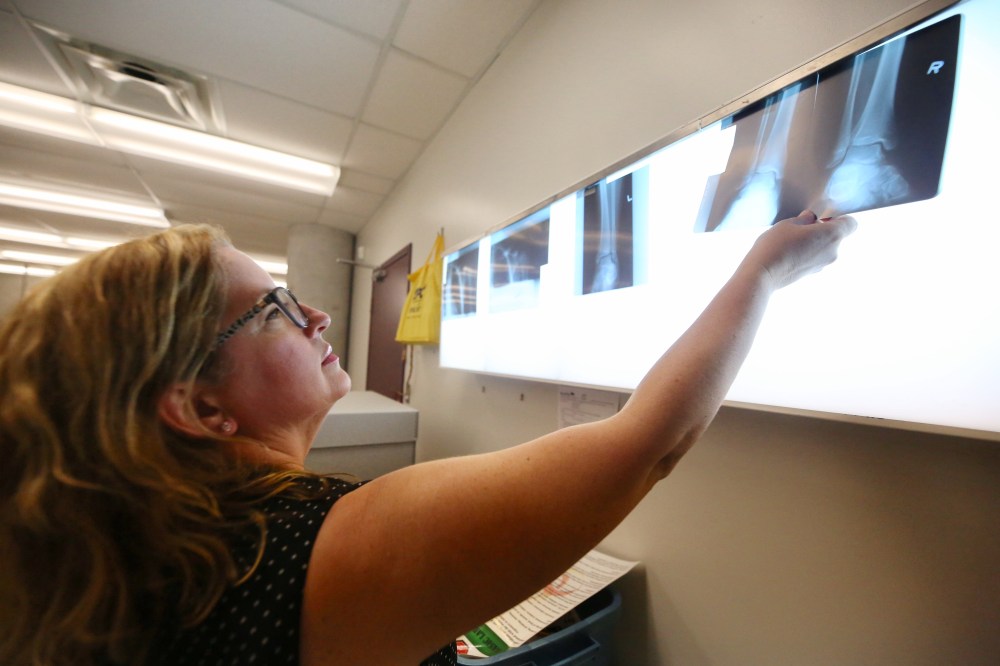
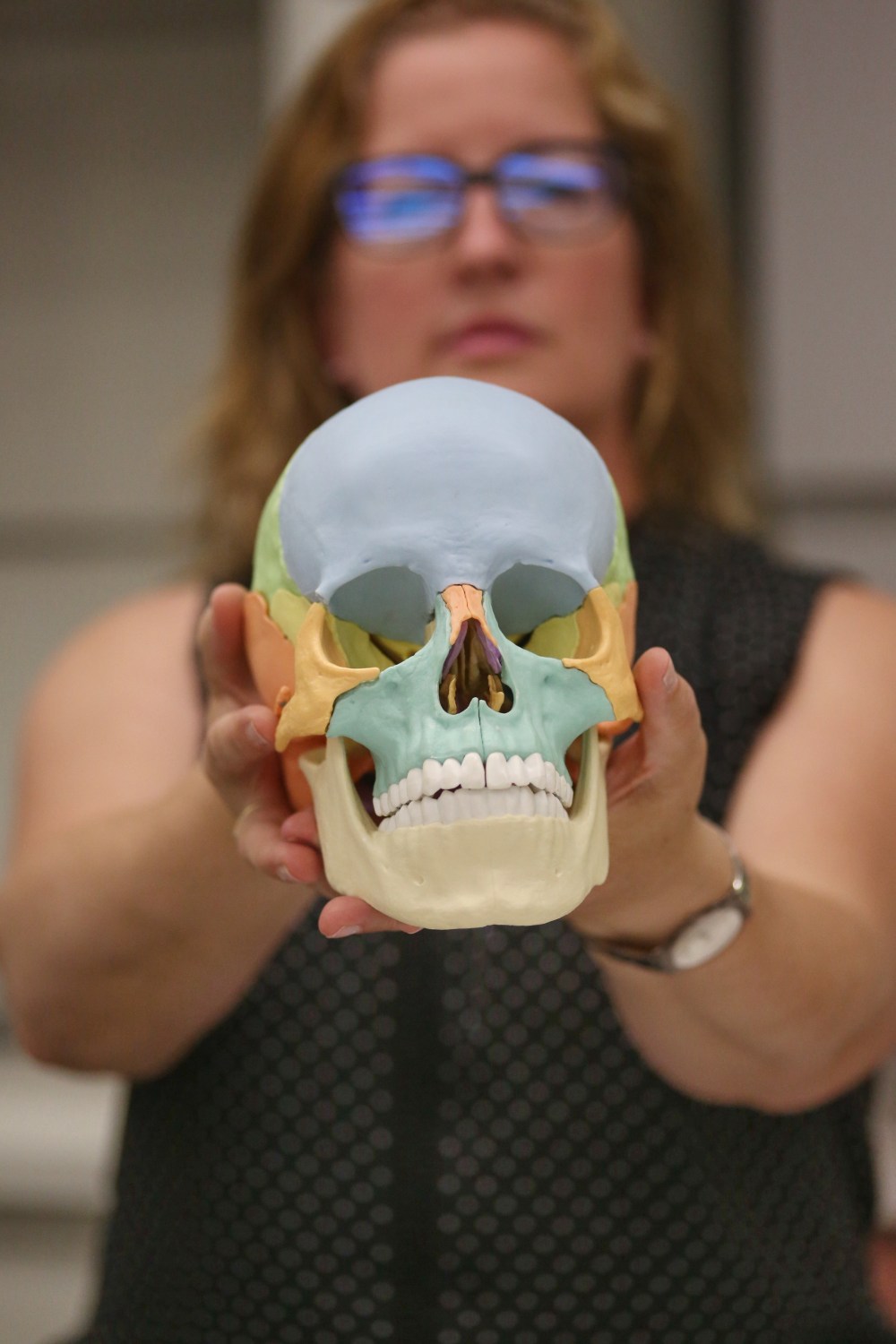
“Bone changes in response to the environment to which it is exposed, so you can have a stick that looks like bone or bone that looks like a stick,” Holland said. “Making sure search and rescue organizations, law enforcement or members of Drag the Red can recognize what might actually be bone in their search process is really key.”
After introducing a mock forensic case on campus and preparing to search, the class continues 10 kilometres south of the city in the Brandon Hills, where the university owns land for conducting field work. Students come out of the class having completed professional procedures to excavate a mock gravesite and conduct forensic analysis.
Alumna Bronwen Jones helped run the field school in 2024 after being one of the first students to take the course in 2022.
“The way that she educated us on forensic anthropology … it became life-changing for me,” said Jones, who has assisted Holland on forensic cases in Manitoba, and graduated from BU in 2025 with a bachelor of arts honours degree with a major in anthropology.
“She has been an absolute cornerstone of my education,” Jones said, adding that Holland’s mentorship, support and knowledge inspired her to pursue grad school.
Cyro Oliver and Bailey Burnell both completed the field school in 2024. They described an immense amount of effort by Holland to run their coursework.
“As long as a student is willing to take it seriously,” said Burnell. “Dr. Holland put so much time into creating this whole narrative for us to follow, to really get our mindset into taking it seriously and getting in the correct headspace.”
The field school’s procedures emphasize teamwork, Oliver said.
“I think it’s a really great opportunity to understand a lot of different variables. A big one is understanding how to work in a team, but also be the leader of a team, which was huge for us as undergrad students,” he said.
The hands-on intensive experience can be a way for students to know if the profession is one they may be ready or able to pursue, and prepares them for working on real cases.
“When they come to a case with us, it’s real-time, real-case experience, which gives her students something to put on their resumé when they leave school,” Page said. “Not only do they have the education, but they have experience in the field.”
Jones noted that she has had several opportunities to work on real forensic cases in Manitoba by studying under Holland at BU — more than the number of forensic cases that a peer studying in Ontario has had.
“BU is so fortunate, and future anthropological students are so fortunate to get to learn from her,” Jones said. “She goes into every forensic case with such amazing work ethic, and determination, and dignity and kindness to the people that she is recovering and looking for.”
Page also noted the high degree of professionalism that Holland’s students have brought to the forensic cases they have assisted with.
“I’ve seen some of Dr. Holland’s students over the years develop themselves because they’ve come to multiple cases that I’ve been there for, and increased their expertise and professionalism … I’m almost watching them grow up,” she said.
In spite of the difficulties of her profession, Holland said she loves the jobs that come with it, from teaching students, to working with communities, to consulting. Her dedication comes down to helping victims’ families find closure.
“There’s always a sense of sadness,” she said. “And when you can help by identifying an individual, help figure out what their story is, what happened to them, and then know that they’re able to go back to their families and there’s closure — as difficult as the process is to do that work, the outcome is really important,” she said.
“I just feel that I am where I am supposed to be, doing what I’m supposed to do,” she added.
Holland’s forensic school will run this summer from July 27 to Aug. 17. The class runs during full business hours for the three-week period, from 9 a.m. to 4:30 p.m.
» jmurray@brandonsun.com