
Aerial photos show devastation of Ontario First Nation as wildfires burn across north
Advertisement
Read this article for free:
or
Already have an account? Log in here »
We need your support!
Local journalism needs your support!
As we navigate through unprecedented times, our journalists are working harder than ever to bring you the latest local updates to keep you safe and informed.
Now, more than ever, we need your support.
Starting at $15.99 plus taxes every four weeks you can access your Brandon Sun online and full access to all content as it appears on our website.
Subscribe Nowor call circulation directly at (204) 727-0527.
Your pledge helps to ensure we provide the news that matters most to your community!
To continue reading, please subscribe:
Add Brandon Sun access to your Free Press subscription for only an additional
$1 for the first 4 weeks*
- Enjoy unlimited reading on brandonsun.com
- Read the Brandon Sun E-Edition, our digital replica newspaper
*Your next Free Press subscription payment will increase by $1.00 and you will be charged $20.95 plus GST for four weeks. After four weeks, your payment will increase to $24.95 plus GST every four weeks.
Read unlimited articles for free today:
or
Already have an account? Log in here »
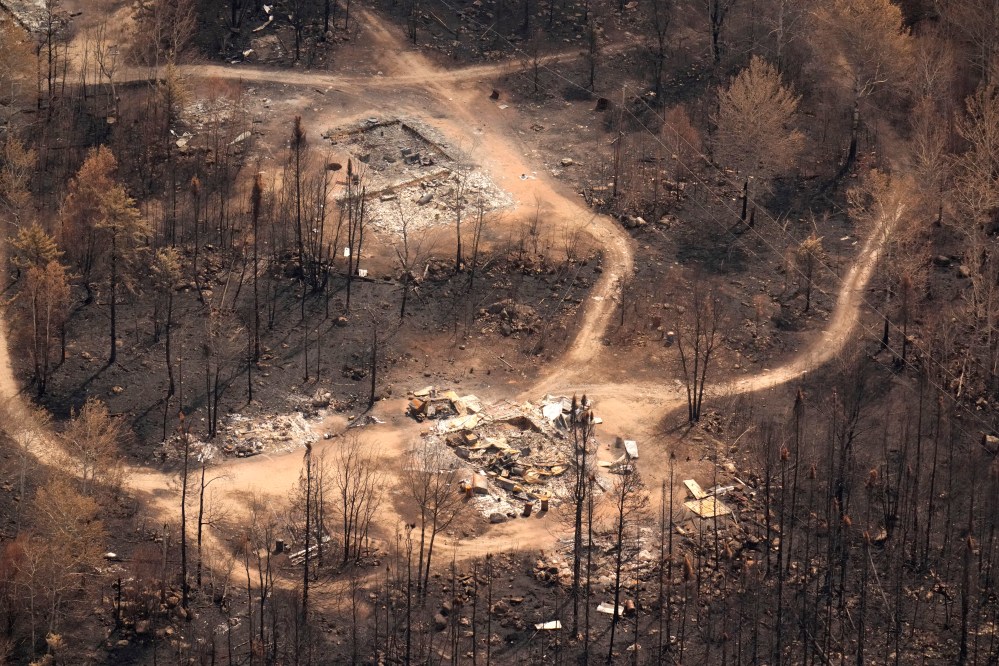
Aerial photographs taken above Namaygoosisagagun First Nation show the devastation wrought by a fast-moving wildfire that forced residents to flee last week as flames closed in on their northern Ontario community.
The photos show scorched earth and debris where buildings once stood, and the charred remnants of trees.
Anishinabek Nation Grand Council Chief Linda Debassige said last week that more than 30 homes, a school and community centres were reduced to ashes as Namaygoosisagagun, also known as Collins First Nation, was swallowed by fire.
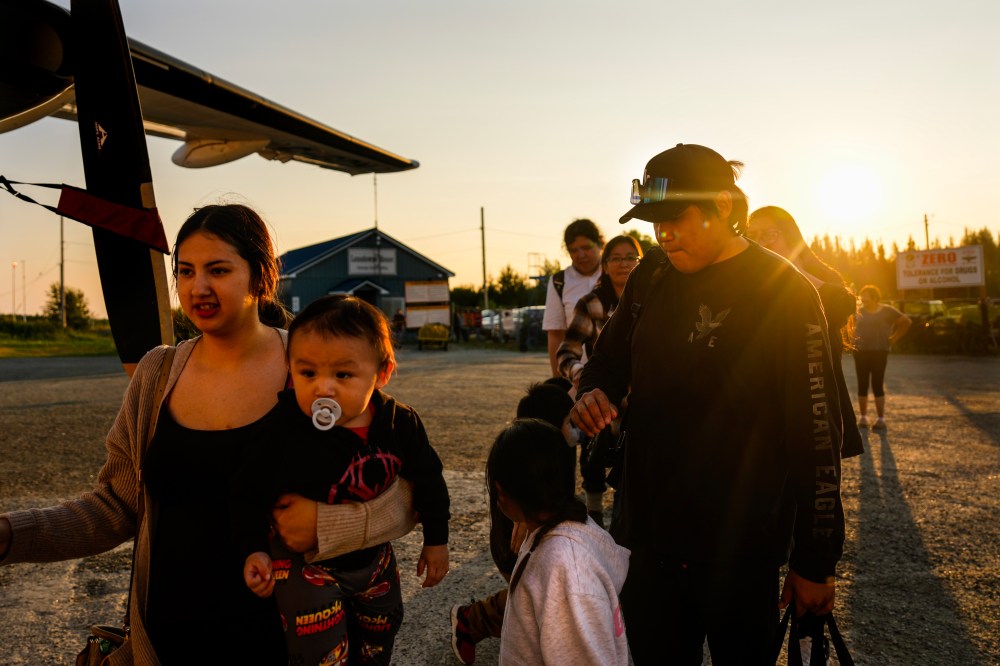
The residents fled without help from the province. Dramatic photos and videos of their evacuation showed people escaping on boats as a huge wall of smoke and flames rose behind them.
“My members barely escaped with the clothes on their backs. My community was left to evacuate without notice and support,” said Collins First Nation Chief Helen Paavola at a news conference on Tuesday, during which First Nations leaders demanded a public inquiry into Ontario’s wildfire response.
The First Nations leaders said the province left communities to fend for themselves without timely support for evacuations.
Premier Doug Ford said Tuesday his government did “everything we possibly can” to respond to the wildfires. Some of the fires spread so fast they were only spotted once they were dangerously close to First Nations, the government has said.
Another First Nation, Whitewater Lake, has also reported destruction from wildfire. Twelve of the 13 communities evacuated so far due to the forest fires are First Nations.
More than 180 active wildfires continue to rage in Ontario’s north, including 12 that had been sparked in the last 24 hours.
Ontario Provincial Police said Wednesday that anyone found in areas under closure orders can face an $880 fine, as well as an additional $110 fine and three driver’s licence demerit points for failing to obey road signs.
The OPP warning comes after Ford told wildfire evacuees not to return to their homes.
The premier said at a news conference in Thunder Bay, Ont., on Saturday that returning to closed areas could jeopardize firefighting efforts, since waterbombers won’t drop water on areas where pilots spot people on the ground.
An official with one evacuated community said last week that 26 residents returned to the area of Whitesand First Nation and the neighbouring town of Armstrong over concerns the province wasn’t doing enough to protect their homes.
Whitesand First Nation emergency response manager Devon Wanakamik said the people who returned were helping to dig a firebreak with heavy machinery, as well as laying sprinkler lines, in violation of the evacuation order. Wanakamik also urged residents not to return to the area.
Natural Resources Minister Mike Harris has said that the province has teams to protect infrastructure from wildfires but they’re “spread pretty thin” across the province.
Early estimates suggest the flames have ravaged more of the province’s forests this season than any previous year on record, burning through more than 7,250 square kilometres so far.
Most of the fires in the province have burned in the last 10 days, and forced more than 1,800 people from their homes.
This report by The Canadian Press was first published July 22, 2026.
–With files from Jordan Omstead