
Energy regulator approves Trans Mountain toll settlement
Advertisement
Read this article for free:
or
Already have an account? Log in here »
We need your support!
Local journalism needs your support!
As we navigate through unprecedented times, our journalists are working harder than ever to bring you the latest local updates to keep you safe and informed.
Now, more than ever, we need your support.
Starting at $15.99 plus taxes every four weeks you can access your Brandon Sun online and full access to all content as it appears on our website.
Subscribe Nowor call circulation directly at (204) 727-0527.
Your pledge helps to ensure we provide the news that matters most to your community!
To continue reading, please subscribe:
Add Brandon Sun access to your Free Press subscription for only an additional
$1 for the first 4 weeks*
- Enjoy unlimited reading on brandonsun.com
- Read the Brandon Sun E-Edition, our digital replica newspaper
*Your next Free Press subscription payment will increase by $1.00 and you will be charged $20.95 plus GST for four weeks. After four weeks, your payment will increase to $24.95 plus GST every four weeks.
Read unlimited articles for free today:
or
Already have an account? Log in here »
CALGARY – The Canada Energy Regulator has approved a settlement between Trans Mountain Corp. and companies that pay to ship their oil through the Alberta-to-British Columbia pipeline.
A commission of the regulator found the agreed-to tolls were “just and reasonable.”
The decision allows Trans Mountain to contract up to 90 per cent of the pipeline’s capacity to shippers, an increase from 80 per cent.
Trans Mountain announced the settlement in July following 18 months of negotiations with its shippers.
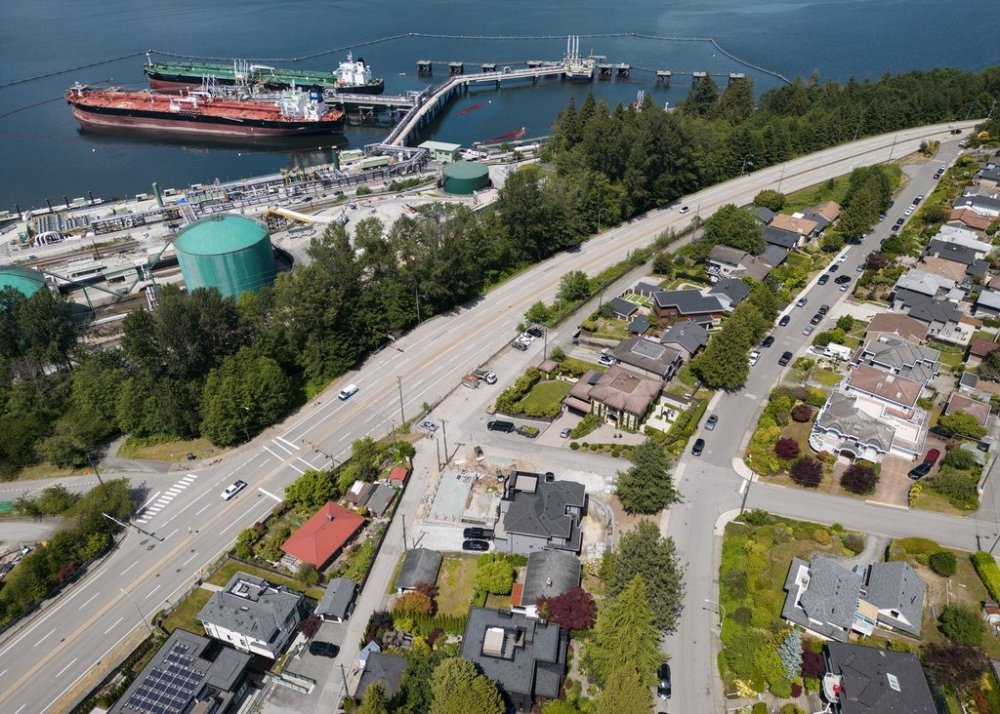
The federal Crown corporation operates the 1,180-kilometre pipeline that runs from Edmonton to a marine terminal in Burnaby, B.C., where crude is loaded onto tankers and sent across the Pacific.
A project to triple the pipeline’s capacity to 890,000 barrels per day started up in 2024, and the company plans to further expand it to 1.19 million barrels a day by late 2028.
This report by The Canadian Press was first published Sept. 28, 2026.