
Diplomatic spat over Wainwright tragedy isn’t helpful
Advertisement
Read this article for free:
or
Already have an account? Log in here »
We need your support!
Local journalism needs your support!
As we navigate through unprecedented times, our journalists are working harder than ever to bring you the latest local updates to keep you safe and informed.
Now, more than ever, we need your support.
Starting at $15.99 plus taxes every four weeks you can access your Brandon Sun online and full access to all content as it appears on our website.
Subscribe Nowor call circulation directly at (204) 727-0527.
Your pledge helps to ensure we provide the news that matters most to your community!
To continue reading, please subscribe:
Add Brandon Sun access to your Free Press subscription for only an additional
$1 for the first 4 weeks*
- Enjoy unlimited reading on brandonsun.com
- Read the Brandon Sun E-Edition, our digital replica newspaper
*Your next Free Press subscription payment will increase by $1.00 and you will be charged $20.95 plus GST for four weeks. After four weeks, your payment will increase to $24.95 plus GST every four weeks.
Read unlimited articles for free today:
or
Already have an account? Log in here »
The deadly fire at Canadian Forces Base Wainwright on Oct. 17 is one of the darkest peacetime days in the history of the Canadian Armed Forces.
According to the latest report from The Canadian Press, four soldiers are dead, 39 are injured, and 27 remain hospitalized, with 13 fighting for their lives against severe, traumatic burns. A routine anti-grenade training range turned into a deadly inferno in less than a minute, driven by fierce winds that swept flames a full kilometre across the base.
Our first and most important focus must remain on the families of the fallen, the wounded in hospital rooms, and the service members struggling with the trauma of watching a training field become a combat zone at home.
Yet, even as the smoke cleared and the medical triage unfolded, the tragedy was pulled into the undertow of political posturing between Canada and the United States.
On Friday, U.S. Ambassador Pete Hoekstra extended a formal offer of American medical resources and specialized burn-unit support “should it be deemed necessary.” The offer, it seems, was made a full week after the tragedy took place.
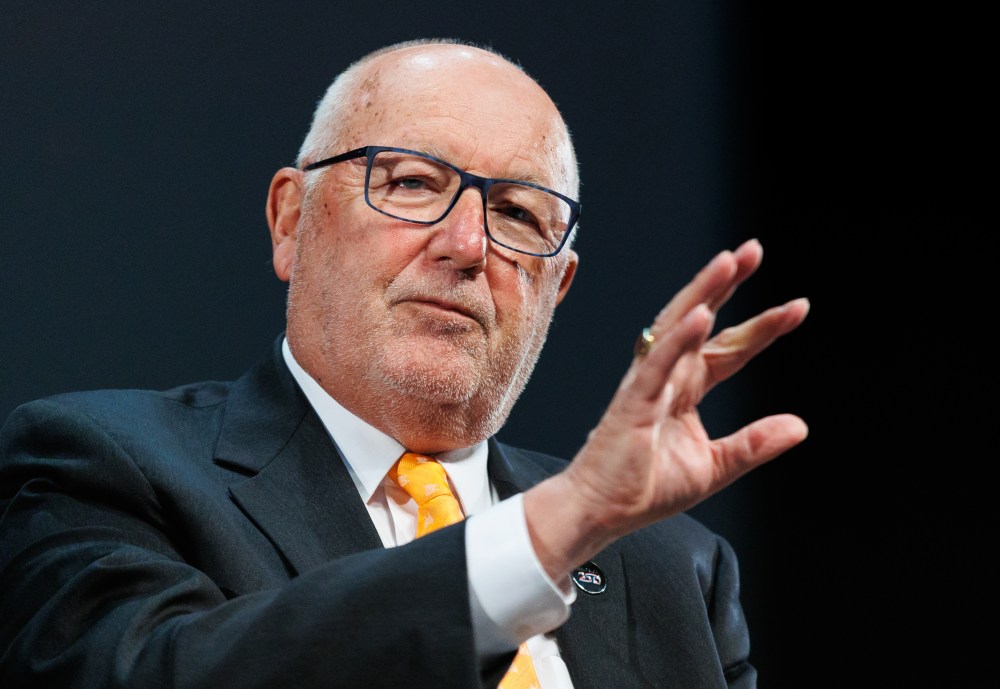
And instead of Canada’s prime minister, Hoekstra apparently reached out by letter to Conservative opposition Leader Pierre Poilievre, who also happens to be the MP for Battle River-Crowfoot — the riding where CFB Wainwright is located.
Poilievre took a diplomatic approach to the unfolding fallout, striking a tone of polite gratitude.
“We deeply appreciate this gesture of support for our injured soldiers and their families at such a difficult time,” he wrote in a social media post Friday.
The federal Opposition leader also said his office has informed the defence minister and the Alberta government of the offer “whether these additional resources and expertise are needed.”
While Poilievre acted rightly in this situation, not everyone was so quick to thank Hoekstra for his kind words or offer of aid. Social media blowback from irate Canadians was immediate.
“Too little, too late,” wrote one person underneath Hoekstra’s post on X. “We’ll take care of our brave.”
“Other countries sent their thoughts and prayers the day it was announced,” wrote another. “You are closest, in terms of proximity, and almost a week late. I’m surprised you didn’t roll it into an election interference claim.”
Though there were a number of posts thanking the ambassador for the offer, the majority were far saltier.
Note that, to date, there has been no public offer of sympathy from U.S. President Donald Trump himself, nor should we hold our breath waiting for one.
However, that does not change the fact that there are more pressing concerns than whether the U.S. ambassador’s gesture was meant well or was timely enough. Turning a live-fire military disaster into an inter-governmental ping-pong match helps no one in a hospital bed.
What Canadians actually need right now are not public-relations updates on who forwarded whose social media post, or grandstanding about cross-border optics. They need answers about how this situation unfolded in the first place.
The military has confirmed three separate investigations are underway. How did a grass fire on a grenade range leap a full kilometre in under 60 seconds? Did the military properly follow safety guidelines for dry weather and tracking the high winds? Why were two distinct, high-risk exercises operating in such close proximity under high-wind conditions?
Four service members paid the ultimate price while doing their job on home soil. Dozens more face a long and agonizing recovery. They deserve a transparent accounting of what went wrong at CFB Wainwright — and the military and government owe them answers faster than the current vague timelines suggest.
Let’s all leave the political machinations aside, make sure we tend to the wounded, and find out why Canadian soldiers burned.