
Calgary-developed wound treatment used on the battlefield in Ukraine
Advertisement
Read this article for free:
or
Already have an account? Log in here »
We need your support!
Local journalism needs your support!
As we navigate through unprecedented times, our journalists are working harder than ever to bring you the latest local updates to keep you safe and informed.
Now, more than ever, we need your support.
Starting at $15.99 plus taxes every four weeks you can access your Brandon Sun online and full access to all content as it appears on our website.
Subscribe Nowor call circulation directly at (204) 727-0527.
Your pledge helps to ensure we provide the news that matters most to your community!
To continue reading, please subscribe:
Add Brandon Sun access to your Free Press subscription for only an additional
$1 for the first 4 weeks*
- Enjoy unlimited reading on brandonsun.com
- Read the Brandon Sun E-Edition, our digital replica newspaper
*Your next Free Press subscription payment will increase by $1.00 and you will be charged $20.95 plus GST for four weeks. After four weeks, your payment will increase to $24.95 plus GST every four weeks.
Read unlimited articles for free today:
or
Already have an account? Log in here »
CALGARY – An innovative wound and burn treatment initially funded by Canada’s Department of National Defence is now being delivered by drone to help wounded soldiers and civilians in war-torn Ukraine.
Calgary-based NanoTess received Health Canada approval for its NanoSALV Catalytic in 2022 and evaluated it by treating unhoused populations in encampments. It is now being used for military purposes.
“We actually started this company with a grant from National Defence back in 2020 and then have had it come full circle here in 2026 to now be used in the front lines within Ukraine,” said NanoTess co-founder and CEO Megan Leslie.
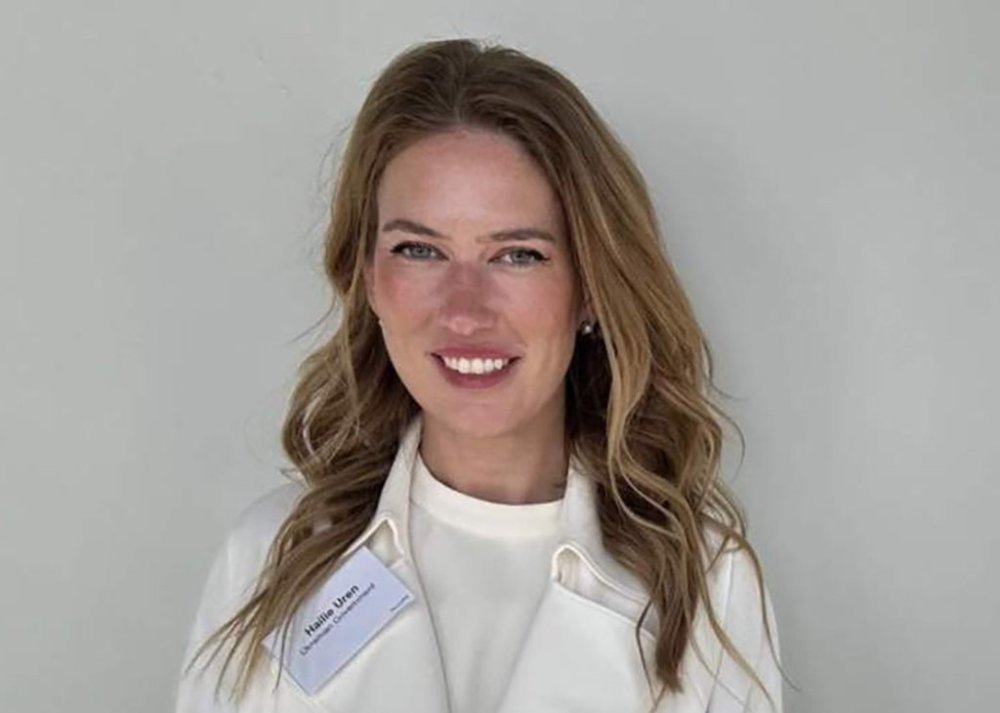
The results of its use in Ukraine were presented at the CAN Health Network Annual Conference in Toronto on Wednesday.
Leslie said the NanoSALV catalyst is suspended in a lightweight and non-flammable gel that is directly applied. It can be flown by drone to the front line and used by people with limited medical training to treat a range of wounds.
NanoSALV was made available for use on the Ukrainian front lines in June and so far has been used to treat 6,000 wounded soldiers and civilians. The gel uses nanomaterials to speed up and work with the body’s natural healing process. It lowers the amount of energy required for healing and fights germs and other infection-causing micro-organisms.
Clinical pharmacist Hailie Uren said the treatment is critical for buying time on the battlefield. Uren, with the Ukrainian Ministry of Health, said NanoSALV can be applied and go to work when there’s only one nurse to care for up to 90 patients.
“That wound can heal without consistent nursing intervention,” Uren said.
Uren said the catalytic gel is in demand. “(After) I receive a casualty when they first arrive at the hospital I will go and visit them the next day and will have a look at their wound,” she said. “The other people in the room (then) try and find wounds just so I can use it on them as well.”
Burn treatment for soldiers tragically came home to Canada earlier this month when a wind-whipped wildfire killed four Canadian soldiers and burned dozens more at Canadian Forces Base Wainwright.
“My colleagues were responding to some of the larger burn injuries in Edmonton. There was quite a split in Calgary and Edmonton for the larger burns. I would say in Edmonton we have a little bit more experience with the technology,” said Dr. Eric Fung, an Alberta-based surgeon who has spent time in Ukraine.
He said using the gel in a mass casualty event can reduce strain on the system.
“In a mass casualty event it really overloads our already overtaxed system, and we have to find room for these new patients and to accomplish that we need to get people in and out of hospital,” he said.
This report by The Canadian Press was first published October 28, 2026.