
Military overstocked on training ammo, left ‘gaps’ in combat munitions, audit says
Advertisement
Read this article for free:
or
Already have an account? Log in here »
We need your support!
Local journalism needs your support!
As we navigate through unprecedented times, our journalists are working harder than ever to bring you the latest local updates to keep you safe and informed.
Now, more than ever, we need your support.
Starting at $15.99 plus taxes every four weeks you can access your Brandon Sun online and full access to all content as it appears on our website.
Subscribe Nowor call circulation directly at (204) 727-0527.
Your pledge helps to ensure we provide the news that matters most to your community!
To continue reading, please subscribe:
Add Brandon Sun access to your Free Press subscription for only an additional
$1 for the first 4 weeks*
- Enjoy unlimited reading on brandonsun.com
- Read the Brandon Sun E-Edition, our digital replica newspaper
*Your next Free Press subscription payment will increase by $1.00 and you will be charged $20.95 plus GST for four weeks. After four weeks, your payment will increase to $24.95 plus GST every four weeks.
Read unlimited articles for free today:
or
Already have an account? Log in here »
OTTAWA – Only about half of the ammunition the military acquired for training and exercises was actually put to use, a federal audit examining National Defence’s ammunition stocks has found.
The audit, released Thursday, also said the military’s strategic stockpile — the reserve it maintains for emergencies and combat — suffers from “significant gaps” between required and actual inventory levels that will take years to fix.
Only 56 per cent of its “regular use” ammunition for training and deployments was used over the past three years, likely because of “overstated” requests for ammo and the cancellation of planned activities like training exercises, the audit said.
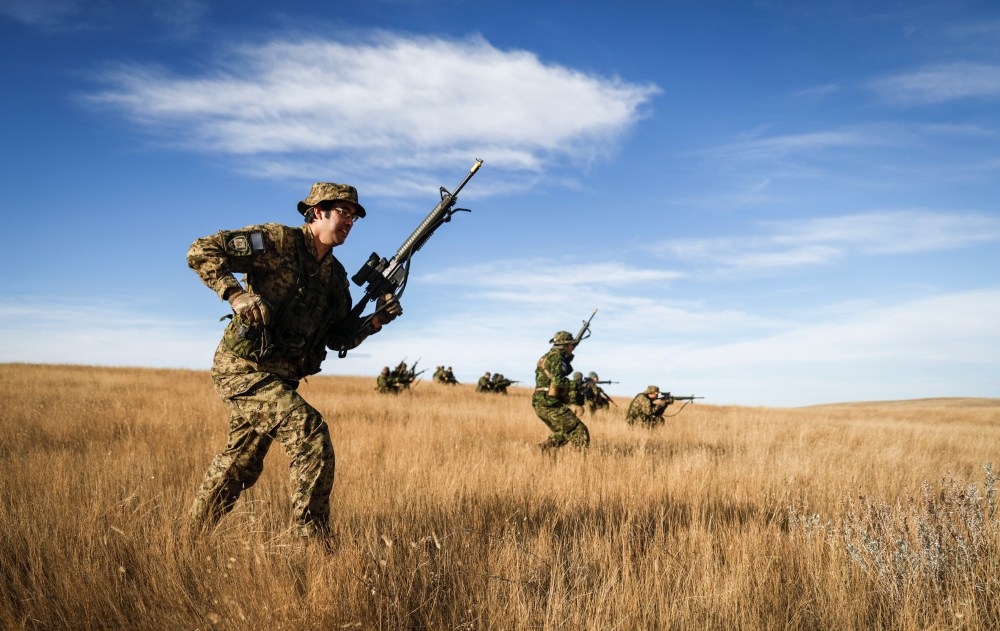
National Defence failed to track the reasons for those “limited or cancelled activities,” although it indicated in an analysis in March that key equipment, such as tanks and ships, were “often out of service” when needed.
“Sometimes it’s because of equipment not being available. Other times it’s because of weather conditions. There’s a myriad of reasons why something would get cancelled. What we saw is that they weren’t tracking why,” Auditor General Karen Hogan told a Thursday news conference.
The department also does not centrally track its expenses for ammunition, preventing it from providing detailed dollar amounts broken down across types and groups.
Some of its excess ammunition inventory can still be used in an emergency, Hogan noted, but not all of the military’s training ammunition is lethal.
“They have some weaknesses in the reliability of their information around inventory — not just quantities, but even knowing expiry dates and being able to manage that all well,” Hogan said. “And this is something that my office has flagged for over two decades now when it comes to our financial audits.”
The report said that as of March this year, National Defence “determined that the Canadian Armed Forces’ readiness level to meet North Atlantic Treaty Organization (NATO) commitments was well below target.”
Ammunition was one of the factors contributing to those shortfalls, the report added, singling out the strategic munitions stockpile.
When it comes to procurement, the audit examined 15 contracts and found delivery took an average of almost 19 months after signing with a supplier. Most of the material procured through those contracts was delivered late.
In a media statement, federal Conservative MPs James Bezan, Jeff Kibble and Pierre Paul-Hus said Thursday’s report “confirms a serious lack of action” by the Liberal government on ensuring the military is ready to fight.
“This cannot be allowed to continue,” the statement said. “The Liberals must act immediately to rectify the unacceptable state of Canada’s ammunition stockpiles, both inventory and accounting.”
Defence Minister David McGuinty said the government takes seriously its responsibility to ensure the Canadian Armed Forces has enough ammunition.
“The entire auditor general report on ammunition tells us that we have progress to make, and we’re making it,” he told a Thursday news conference.
“She [Hogan] has made some really important contributions to how we merge our tracking system with respect to the storage of ammunition and distribution of ammunition, and we’re weaving that into the system that’s already being operationalized.”
The federal government has said bolstering domestic ammunition production is one of its top ten priorities under the defence industrial strategy it released this spring.
This report by The Canadian Press was first published Oct. 29, 2026.