
AP Exclusive: Trump administration held talks with Iran on deporting Iranians during the war
Advertisement
Read this article for free:
or
Already have an account? Log in here »
We need your support!
Local journalism needs your support!
As we navigate through unprecedented times, our journalists are working harder than ever to bring you the latest local updates to keep you safe and informed.
Now, more than ever, we need your support.
Starting at $15.99 plus taxes every four weeks you can access your Brandon Sun online and full access to all content as it appears on our website.
Subscribe Nowor call circulation directly at (204) 727-0527.
Your pledge helps to ensure we provide the news that matters most to your community!
To continue reading, please subscribe:
Add Brandon Sun access to your Free Press subscription for only an additional
$1 for the first 4 weeks*
- Enjoy unlimited reading on brandonsun.com
- Read the Brandon Sun E-Edition, our digital replica newspaper
*Your next Free Press subscription payment will increase by $1.00 and you will be charged $20.95 plus GST for four weeks. After four weeks, your payment will increase to $24.95 plus GST every four weeks.
Read unlimited articles for free today:
or
Already have an account? Log in here »
WASHINGTON (AP) — President Donald Trump’s administration held secret talks with Iran on deporting Iranians even as the war there dragged on, court documents obtained by The Associated Press show.
The court documents unsealed Thursday show the Republican administration as recently as mid-October said it had plans to deport the Iranians through an unnamed third country, although it was unclear when it intended to do so. The judge in the case ordered the government to give the court 24-hour notice of any finalized plans to deport Iranians to Iran or to any other country and five days’ written notice before any such deportation is carried out.
The documents show that the administration maintained contacts with Iranian officials during the war over the removals, specifically for submitting travel documents and figuring out “possible avenues for removal.”
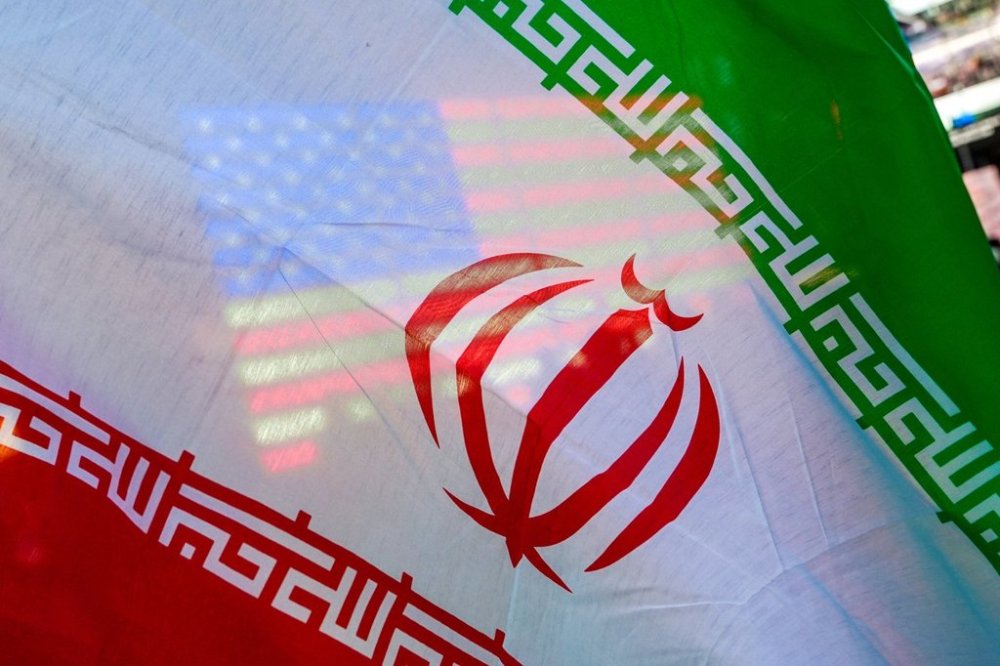
“We are at war with a country where the President of the United States has said, as recently as two or three days ago, if not yesterday, that it is essentially lawless … A country that is an enemy of the United States, according to the current president. A country that, according to our president, murdered tens of thousands of protestors,” Judge Ana Reyes said according to the Oct. 15 transcript.
“And what you’re telling me is that the United States of America is going to send individuals back to that region, facing what you and I and everyone who would ever look at this would know would be, at a minimum, a serious threat of certain death.”
“Yes, your honor,” Justice Department attorney Dimitar Georgiev-Remmel said. “The government is executing lawful orders of removal.”
The Department of Homeland Security did not immediately respond to a request for comment.
The development emerged from an ongoing lawsuit that alleges the Trump administration’s immigration agencies have been sharing confidential information about Iranian asylum seekers with the Iranian government, violating national immigration regulations and endangering countless Iranians, court filings argue.
The new court documents show the coordination continued during the war.
The lawsuit depicts a coordinated campaign between the U.S. and Iranian governments to identify Iranians in Immigration and Customs Enforcement custody and pressure them to return to Iran — a marked departure from decades of diplomatic hostility between the two governments and an ongoing war. DHS has denied that it is sharing asylum application records with the Iranian government.
Hundreds of emails exchanged between U.S. immigration officials exposed how the two countries worked together to arrange for more than 100 Iranians to be flown back to Iran on three immigration flights in September and December 2025 and January 2026.
Deportations of Iranians back to their home country are historically rare, owing to the lack of diplomatic relations between the U.S. and Iran and the possible persecution they could face if they were sent to Iran.
But under the Trump administration, ICE has aggressively pushed to deport people even from countries that have typically been reluctant to take people back or with whom the U.S. has had icy or no diplomatic relations.
Sometimes that has meant sending people back to their home country but it has also meant deporting people to other countries that they have no connection with.
The Trump administration has deported people, including Iranians, to countries other than their own in an attempt to circumvent diplomatic hurdles with governments that won’t take their people back. During Trump’s second term, countries including El Salvador, Costa Rica and Panama have accepted noncitizens from the U.S.
In June, an Iranian woman was among the two dozen migrants the U.S. deported to the Central African Republic.
Activists abroad have expressed concern about deportees returning to Iran, whose theocracy has been cracking down on intellectuals and where the government vociferously cracks down on any dissent.
___
Follow the AP’s coverage of the Iran war at https://apnews.com/hub/iran.