
Anti-scab provisions can apply to remote work in some cases, Quebec court says
Advertisement
Read this article for free:
or
Already have an account? Log in here »
We need your support!
Local journalism needs your support!
As we navigate through unprecedented times, our journalists are working harder than ever to bring you the latest local updates to keep you safe and informed.
Now, more than ever, we need your support.
Starting at $15.99 plus taxes every four weeks you can access your Brandon Sun online and full access to all content as it appears on our website.
Subscribe Nowor call circulation directly at (204) 727-0527.
Your pledge helps to ensure we provide the news that matters most to your community!
To continue reading, please subscribe:
Add Brandon Sun access to your Free Press subscription for only an additional
$1 for the first 4 weeks*
- Enjoy unlimited reading on brandonsun.com
- Read the Brandon Sun E-Edition, our digital replica newspaper
*Your next Free Press subscription payment will increase by $1.00 and you will be charged $20.95 plus GST for four weeks. After four weeks, your payment will increase to $24.95 plus GST every four weeks.
Read unlimited articles for free today:
or
Already have an account? Log in here »
MONTRÉAL – Quebec’s highest court has ruled that anti-strike-breaker provisions can apply to remote workers in certain circumstances.
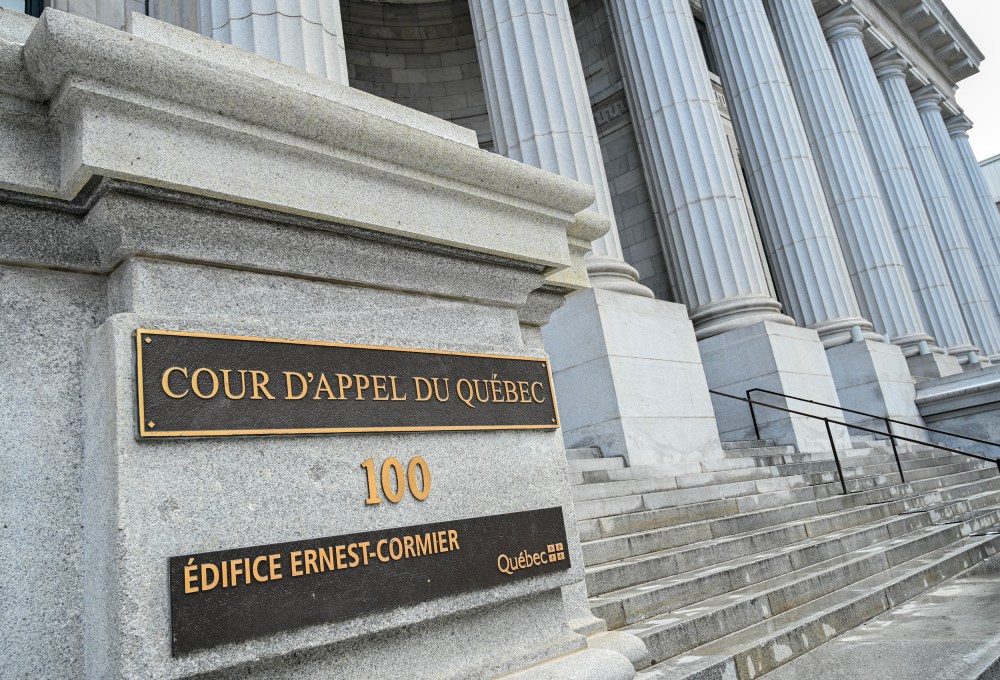
The Court of Appeal has overturned a ruling handed down by Quebec Superior Court in 2023 and reinstated a prior decision by the province’s administrative labour tribunal.
The case pitted union Unifor against Groupe CRH, which operated a cement plant north of Montreal.
The anti-scab provisions of the Labour Code prevent an employer from using replacement workers for duties normally done by union employees at an establishment where a strike or lockout has been declared.
The labour tribunal sided with the union, which had argued the employer had violated the provision by using a non-unionized worker during a 2021 lockout, even though the worker had worked from home.
Quebec Superior Court later ruled it was unreasonable to extend the meaning of the word establishment to include a worker’s home, but that decision has now been overturned in favour of the original judgment.
This report by The Canadian Press was first published Nov. 6, 2026.