
Alberta government to require cleanup funds to be set aside for each new well drilled
Advertisement
Read this article for free:
or
Already have an account? Log in here »
We need your support!
Local journalism needs your support!
As we navigate through unprecedented times, our journalists are working harder than ever to bring you the latest local updates to keep you safe and informed.
Now, more than ever, we need your support.
Starting at $15.99 plus taxes every four weeks you can access your Brandon Sun online and full access to all content as it appears on our website.
Subscribe Nowor call circulation directly at (204) 727-0527.
Your pledge helps to ensure we provide the news that matters most to your community!
To continue reading, please subscribe:
Add Brandon Sun access to your Free Press subscription for only an additional
$1 for the first 4 weeks*
- Enjoy unlimited reading on brandonsun.com
- Read the Brandon Sun E-Edition, our digital replica newspaper
*Your next Free Press subscription payment will increase by $1.00 and you will be charged $20.95 plus GST for four weeks. After four weeks, your payment will increase to $24.95 plus GST every four weeks.
Read unlimited articles for free today:
or
Already have an account? Log in here »
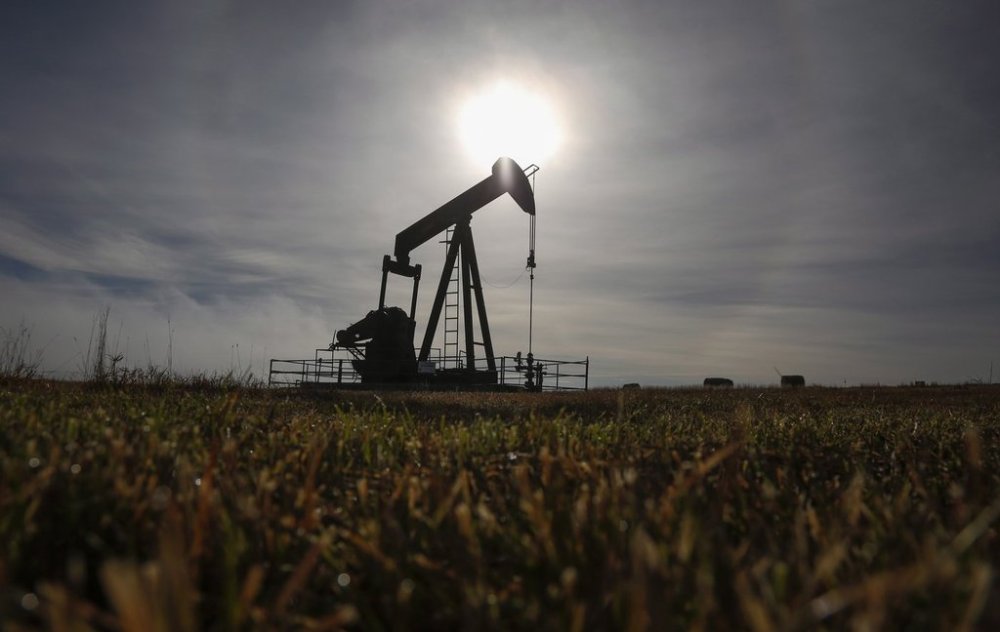
CALGARY – The Alberta government has introduced legislation that would require oil and gas companies to set aside funds for the future cleanup of every new well drilled.
If passed, the bill would create the Resource Asset Closure Assurance and Stewardship Fund. Money would follow each well through its life cycle, even if ownership changes hands.
Companies would be required to make an initial payment of up to $50,000 followed by equal annual payments for up to 10 years. The new rules are expected to apply to wells drilled after April 1, 2027.
Between the payments and compound interest that accrues over time, there should be enough money available to fund the eventual cleanup of a typical well, Brian Jean, minister of energy and minerals, told a news conference Wednesday.
“We are making sure that when these wells are drilled, we have something set aside for them to be cleaned up so that the taxpayers are not on the hook.”
Managing the backlog of old oil and gas wells that have no one legally responsible for them, due to bankruptcy and other factors, has been a long-running issue in Alberta. Farmers have raised concern about contamination from inactive wells on their land.
Cleanup of such sites is managed through the non-profit Orphan Well Association and is funded through an industry fee, the amount of which the Alberta Energy Regulator recommends to the Alberta government every year. That fee would continue to exist.
The Orphan Well Levy for the 2026-27 fiscal year is $154.56 million, up from $144.45 million the previous year, though the well association has pegged total cleanup costs of its inventory at $1.66 billion.
The latest monthly numbers from the Orphan Well Association say there are 7,328 wells are waiting to be decommissioned, which involves permanently dismantling equipment so that the site is safe. Another 9,258 sites are in need of reclamation, which means restoring the land so it’s similar to its original state.
In the 2025-26 fiscal year, the average cost of decommissioning a well was $28,800 and for reclaiming a site, it was $27,700.
Under the new rules — proposed as part of a broader bill that also includes new restrictions for data centres, greater illegal dumping fines and other matters — a company would be eligible to receive the funds that were set aside once reclamation is complete. If the well becomes orphaned, the funding would be transferred to the Orphan Well Association.
“We’re making good on a promise that we made to Albertans to stop the flow of unfunded wells to the Orphan Well Association,” Jean said.
“After these changes are put into effect, no new oil and gas well will end up at the OWA without industry-paid-for closure funding.”
Terry Schmidtke, who chairs the Alberta Small Producers Group, said the changes will give junior oil and gas companies greater confidence to buy and sell producing wells that are drilled after the rules take effect.
“By ensuring cleanup funding stays with each well when ownership changes, smaller producers can continue to invest and grow while meeting their long-term cleanup obligations and keeping Albertans employed in the industry right across the province,” Schmidtke said in the province’s news release.
Farmers have long demanded greater assurances that oil and gas sites on their land will be properly cleaned up, Peter Dobbie, a property rights advocate, said in the provincial release.
“These changes should ensure that any new wells drilled will be cleaned up and returned to full agricultural use when they stop producing.”
This report by The Canadian Press was first published Nov. 18, 2026.