
Military to continue avalanche control in B.C.’s Rogers Pass
Advertisement
Read this article for free:
or
Already have an account? Log in here »
We need your support!
Local journalism needs your support!
As we navigate through unprecedented times, our journalists are working harder than ever to bring you the latest local updates to keep you safe and informed.
Now, more than ever, we need your support.
Starting at $15.99 plus taxes every four weeks you can access your Brandon Sun online and full access to all content as it appears on our website.
Subscribe Nowor call circulation directly at (204) 727-0527.
Your pledge helps to ensure we provide the news that matters most to your community!
To continue reading, please subscribe:
Add Brandon Sun access to your Free Press subscription for only an additional
$1 for the first 4 weeks*
- Enjoy unlimited reading on brandonsun.com
- Read the Brandon Sun E-Edition, our digital replica newspaper
*Your next Free Press subscription payment will increase by $1.00 and you will be charged $20.95 plus GST for four weeks. After four weeks, your payment will increase to $24.95 plus GST every four weeks.
Read unlimited articles for free today:
or
Already have an account? Log in here »
ROGERS PASS – Parks Canada says military support for avalanche control along a major highway corridor in southeastern British Columbia will continue, at least for now, in an apparent reversal of a decision to end the program next year.
Artillery shells have been fired to set off slides along the Trans-Canada Highway, which winds through Rogers Pass in Glacier National Park, for more than 60 years.
B.C’s Transportation Ministry expressed concern earlier this year when the Department of National Defence announced the latest five-year agreement with Parks Canada would not be renewed after its expiry in 2027.
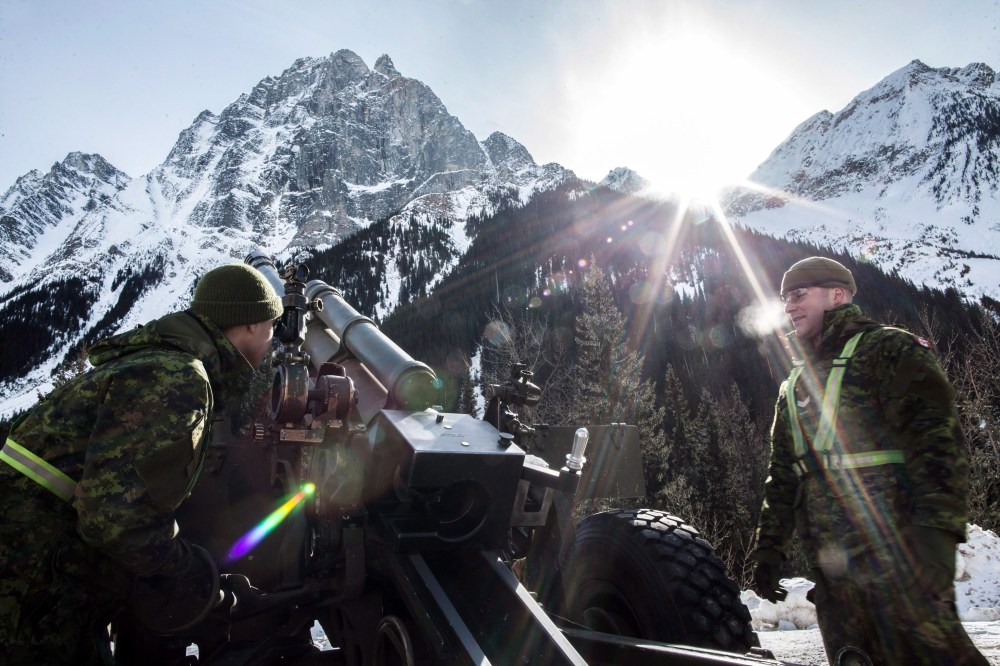
The department cited modernization policies and divestment of what it called legacy artillery systems.
But after further consideration, Parks Canada says “there is currently no set end date” for the operation, which involves gun crews who fire 105-millimetre howitzer field guns to bring down snow to prevent unplanned avalanches.
A statement from Parks Canada says it’s working with the Canadian Armed Forces to develop a transition plan for the future of avalanche control in the area and the military will continue its involvement in the meantime.
This report by The Canadian Press was first published Nov. 20, 2026.