
Civil liberties group says digital safety bill risks censorship, ‘shadow banning’
Advertisement
Read this article for free:
or
Already have an account? Log in here »
We need your support!
Local journalism needs your support!
As we navigate through unprecedented times, our journalists are working harder than ever to bring you the latest local updates to keep you safe and informed.
Now, more than ever, we need your support.
Starting at $15.99 plus taxes every four weeks you can access your Brandon Sun online and full access to all content as it appears on our website.
Subscribe Nowor call circulation directly at (204) 727-0527.
Your pledge helps to ensure we provide the news that matters most to your community!
To continue reading, please subscribe:
Add Brandon Sun access to your Free Press subscription for only an additional
$1 for the first 4 weeks*
- Enjoy unlimited reading on brandonsun.com
- Read the Brandon Sun E-Edition, our digital replica newspaper
*Your next Free Press subscription payment will increase by $1.00 and you will be charged $20.95 plus GST for four weeks. After four weeks, your payment will increase to $24.95 plus GST every four weeks.
Read unlimited articles for free today:
or
Already have an account? Log in here »
OTTAWA – The Canadian Civil Liberties Association says the Liberal government’s digital safety bill could lead to the censorship of some online content.
Association representatives told a parliamentary committee studying the bill Tuesday that includes the risk of “shadow banning,” or limiting the visibility of someone’s online content.
Anaïs Bussières McNicoll, director of the group’s fundamental freedoms program, told MPs the bill “creates a framework that leaves users of all ages vulnerable to various forms of censorship, including shadow banning.”
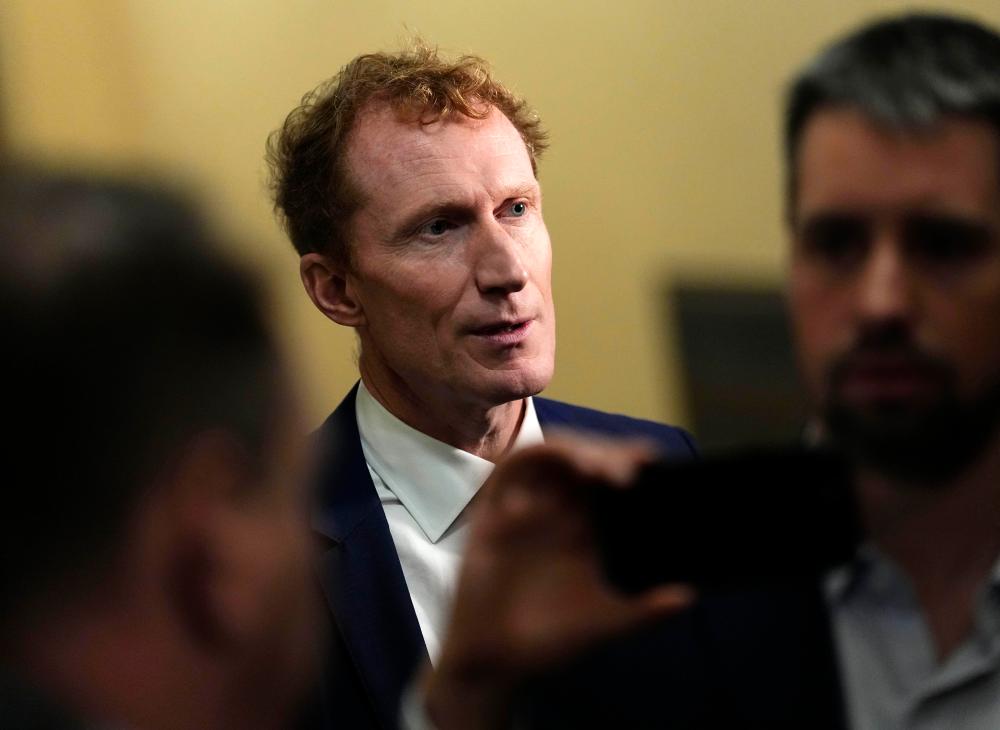
Bussières McNicoll said online platforms keen to avoid fines could disproportionately suppress controversial but lawful expression.
Some of the proposed definitions of harmful content in the bill are “overly broad and vague and can on their face capture nonviolent, nonthreatening expression that is unpopular, polarized, or political,” she said.
Platforms should have to assess on an ongoing basis whether their measures pose risks to charter rights, especially expression and privacy rights, Bussières McNicoll said.
“The bill creates a broad obligation for operators of regulated social media services to mitigate the risks that users will be exposed to harmful content,” she said. “While this new duty does not require operators to disproportionately limit expression, it fails to prohibit them from doing so.”
Bussières McNicoll said the bill “gives sweeping powers to a new digital safety regulator and the government, leaving it to them to determine an enormous range of substantive questions through future regulations.”
She said that makes it especially important to strengthen the regulator’s independence and require its members to have subject matter expertise in multiple areas, including “freedom of expression, privacy, and other implicated civil liberties.”
Conservative MPs have been flagging free speech concerns with Bill C-34, which would create the new digital regulator, impose new requirements on platforms and ban kids under 16 from access to social media.
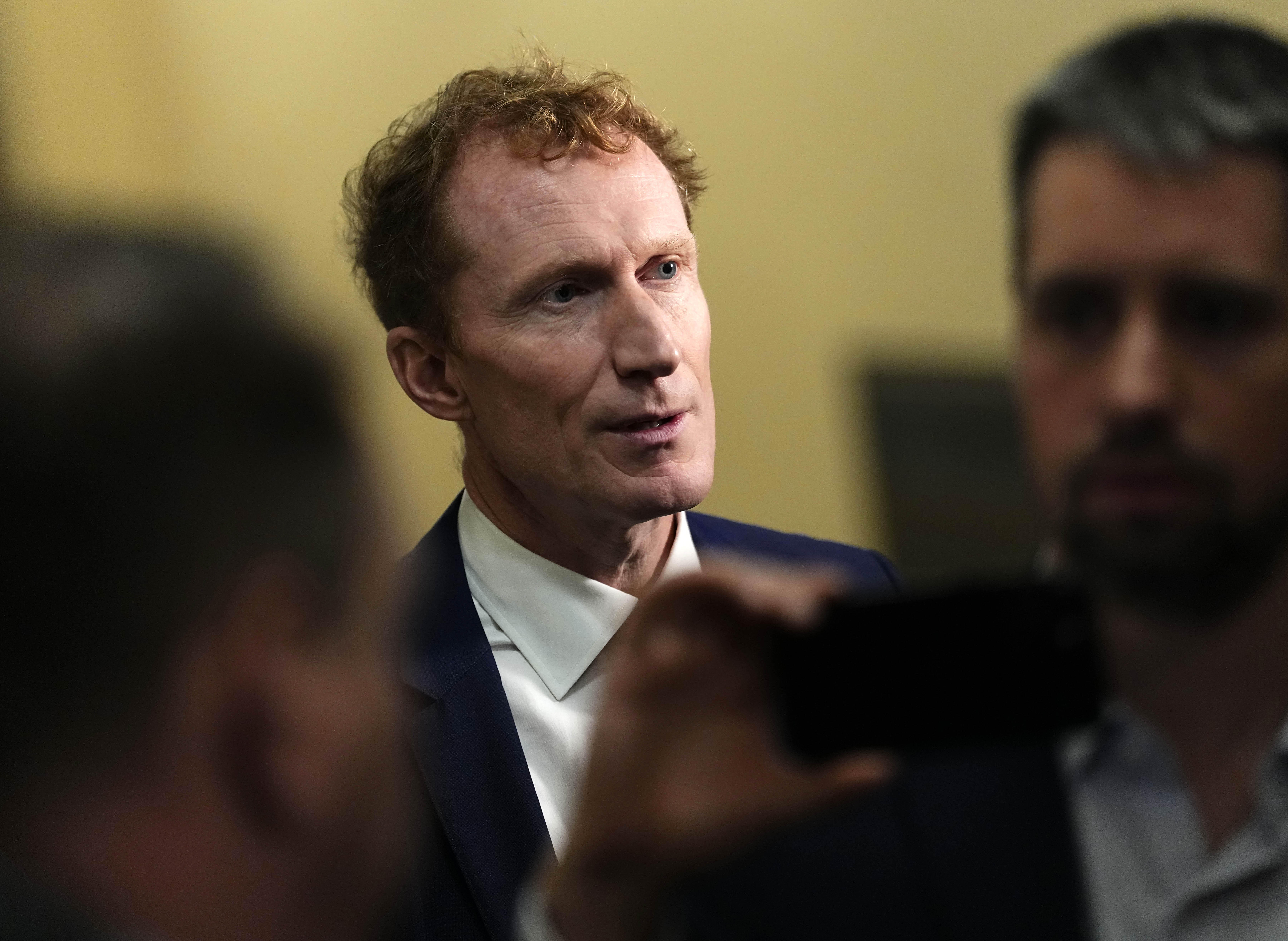
Tamir Israel, director of the Canadian Civil Liberties Association’s privacy, surveillance and technology program, said the bill’s age ban puts the emphasis in the wrong place.
He said the government should focus on building an empowering digital environment for youth instead of “banishing them from the internet.”
Israel and other experts have warned the social media ban is likely to face a charter challenge.
This report by The Canadian Press was first published Nov. 24, 2026.